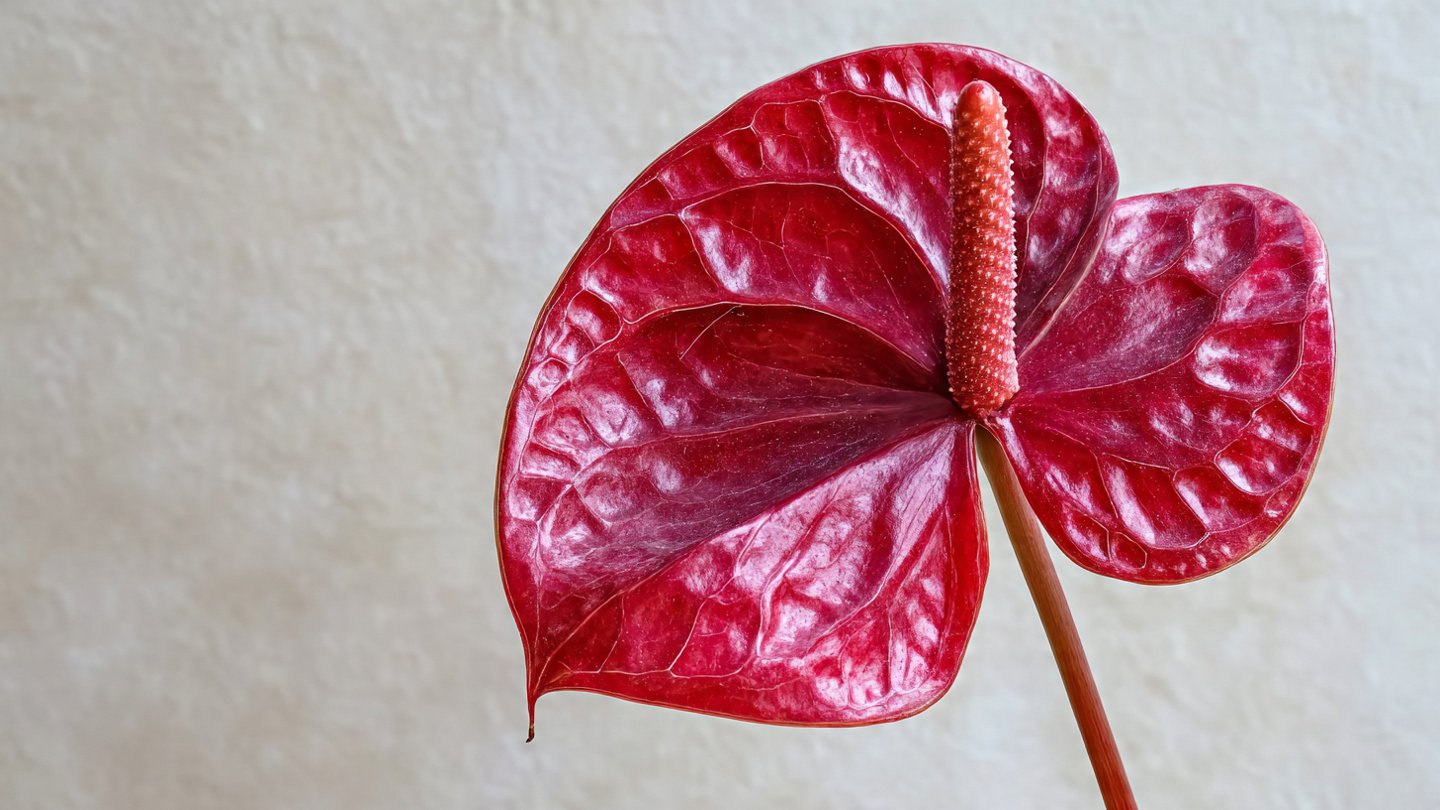
Anthuriums, often called the “flamingo flower” or “laceleaf,” are prized for their glossy green leaves and bright, long-lasting flowers. Their striking red, pink, white, or even purple spathes make them a popular choice for indoor and outdoor gardens. However, many beginners struggle with leaf burn, yellowing, or weak growth due to improper care. The good news is that with the right approach, even a novice gardener can grow Anthurium successfully and enjoy its vibrant foliage and blooms year-round. This guide walks you through a simple, step-by-step approach to cultivating Anthurium without leaf burn.
Why Anthuriums Are Popular
Anthuriums are not just beautiful—they offer multiple benefits for your home or garden:
- Aesthetic appeal: Their glossy leaves and vibrant spathes add elegance to interiors and gardens.
- Air purification: Like many tropical plants, Anthuriums help filter toxins and improve indoor air quality.
- Low maintenance: With the right care, they thrive with minimal effort.
- Long-lasting blooms: Flowers can last weeks, bringing extended color to your space.
- Tropical charm: They bring a lush, exotic feel to homes, patios, or shaded garden areas.
By learning proper care, beginners can enjoy these benefits without the common pitfalls of leaf burn or poor growth.
Understanding Leaf Burn in Anthuriums
Leaf burn occurs when Anthurium leaves develop brown, crispy edges or tips, often caused by:
- Direct sunlight: Strong sunlight can scorch tender leaves.
- Over-fertilization: Too much fertilizer can damage foliage.
- Low humidity: Dry air causes tips and edges to dry out.
- Watering issues: Inconsistent watering or poor drainage leads to stress.
- Chemical exposure: Hard water or chlorinated water can burn leaves.
Avoiding these factors is key to keeping your Anthurium leaves healthy, glossy, and vibrant.
Choosing the Right Location
Location is critical to preventing leaf burn and encouraging healthy growth:
- Light: Anthuriums thrive in bright, indirect sunlight. Avoid direct sun, which can scorch leaves.
- Temperature: Ideal range is 20–28°C. Protect from drafts, sudden temperature changes, and cold weather.
- Humidity: These tropical plants prefer 60–80% humidity. Use a humidity tray, pebble tray, or mist regularly if air is dry.
- Air circulation: Moderate airflow helps prevent fungal issues but avoid placing near vents or fans that cause leaf drying.
A well-chosen location minimizes stress and reduces the risk of leaf burn.
Selecting Healthy Anthurium Plants
Starting with a strong plant improves success for beginners:
- Choose plants with bright green, glossy leaves and no signs of browning or yellowing.
- Check for firm stems and healthy roots; avoid plants with mushy or dried roots.
- Pick varieties suited to your environment—Anthurium andraeanum is ideal for indoor growing, while Anthurium scherzerianum works well in shaded outdoor spaces.
- Avoid plants that show insect infestation or leaf spots.
Healthy starter plants adapt better and are more resistant to stress factors.
Preparing Soil for Anthuriums
Anthuriums are epiphytic plants in nature, meaning they grow on trees rather than in soil. Proper soil mix mimics their natural environment:
- Use a well-draining mix of orchid bark, perlite, peat moss, and a small amount of compost.
- Avoid heavy, compact soils that retain excess water.
- pH should be slightly acidic (5.5–6.5) to replicate tropical conditions.
- Ensure the container has drainage holes to prevent water accumulation.
Correct soil preparation reduces root rot risk and supports healthy leaf growth.
Planting Anthuriums
Planting correctly prevents stress and leaf burn:
- Choose the right pot: A slightly larger pot than the root ball allows growth but prevents excessive moisture retention.
- Position the plant: Place the Anthurium in the prepared soil mix, with roots spread gently.
- Backfill: Add soil around roots, firm lightly, but avoid compacting.
- Water lightly: Water just enough to settle the soil without waterlogging.
- Initial placement: Keep in shaded, indirect light for the first week to help acclimatize.
Proper planting reduces transplant shock, a common cause of early leaf damage.
Watering Anthuriums
Watering plays a key role in preventing leaf burn:
- Frequency: Water when the top 2–3 cm of soil is dry. Overwatering can cause root rot, while underwatering leads to dry, burnt tips.
- Water quality: Use filtered, rain, or distilled water if possible. Avoid hard or chlorinated water.
- Technique: Water evenly around the base, not directly on leaves.
- Drainage: Always ensure excess water drains away from roots.
Balanced watering keeps leaves glossy and healthy without stress.
Fertilizing Anthuriums
Fertilizer supports vibrant foliage and blooms but must be used carefully to avoid leaf burn:
- Use a balanced, slow-release fertilizer every 6–8 weeks during active growth.
- Dilute liquid fertilizers to half-strength if applying more frequently.
- Avoid fertilizing dry soil; water first, then feed to reduce the risk of chemical burn.
- Organic options like compost tea or fish emulsion can provide nutrients safely.
Correct fertilization encourages robust growth and long-lasting flowers.
Preventing Leaf Burn
To ensure Anthuriums remain free of leaf burn:
- Indirect sunlight: Avoid direct afternoon sun, which is harshest.
- Humidity management: Mist leaves or use a humidity tray regularly.
- Avoid harsh chemicals: Use gentle water and fertilizers.
- Monitor temperature: Keep indoors away from drafts, heaters, or cold windows.
- Trim damaged leaves: Remove any burnt edges to encourage new growth.
Proactive care prevents leaf damage and maintains a healthy, vibrant plant.
Additional Care Tips
- Repotting: Every 2–3 years or when roots outgrow the pot. Use fresh well-draining soil.
- Pests: Watch for aphids, mealybugs, or spider mites. Treat early with neem oil or insecticidal soap.
- Flowering support: Remove spent blooms to encourage new spathes.
- Cleaning leaves: Wipe leaves with a damp cloth to remove dust and improve photosynthesis.
Consistent care ensures Anthuriums thrive and bloom abundantly.
Enjoying Anthurium in Your Home
Anthuriums are versatile and decorative:
- Indoor placement adds tropical elegance to living rooms, offices, or kitchens.
- Bright flowers can be cut and used in arrangements.
- Grouping Anthuriums with other tropical plants enhances aesthetic appeal.
- Their air-purifying properties improve indoor health and comfort.
With proper care, your Anthurium becomes both a decorative and functional houseplant.
Final Thoughts
Growing Anthuriums without leaf burn is achievable for beginners when attention is paid to light, water, soil, and humidity. By choosing healthy plants, providing the right soil mix, watering carefully, using balanced fertilization, and maintaining proper humidity, you can enjoy vibrant foliage and beautiful, long-lasting flowers all year.
Even novice gardeners can cultivate a thriving Anthurium that adds tropical beauty, color, and air-purifying benefits to their home or garden. With these simple techniques, leaf burn becomes a thing of the past, and your Anthurium can flourish effortlessly, creating a stunning focal point wherever it’s planted.