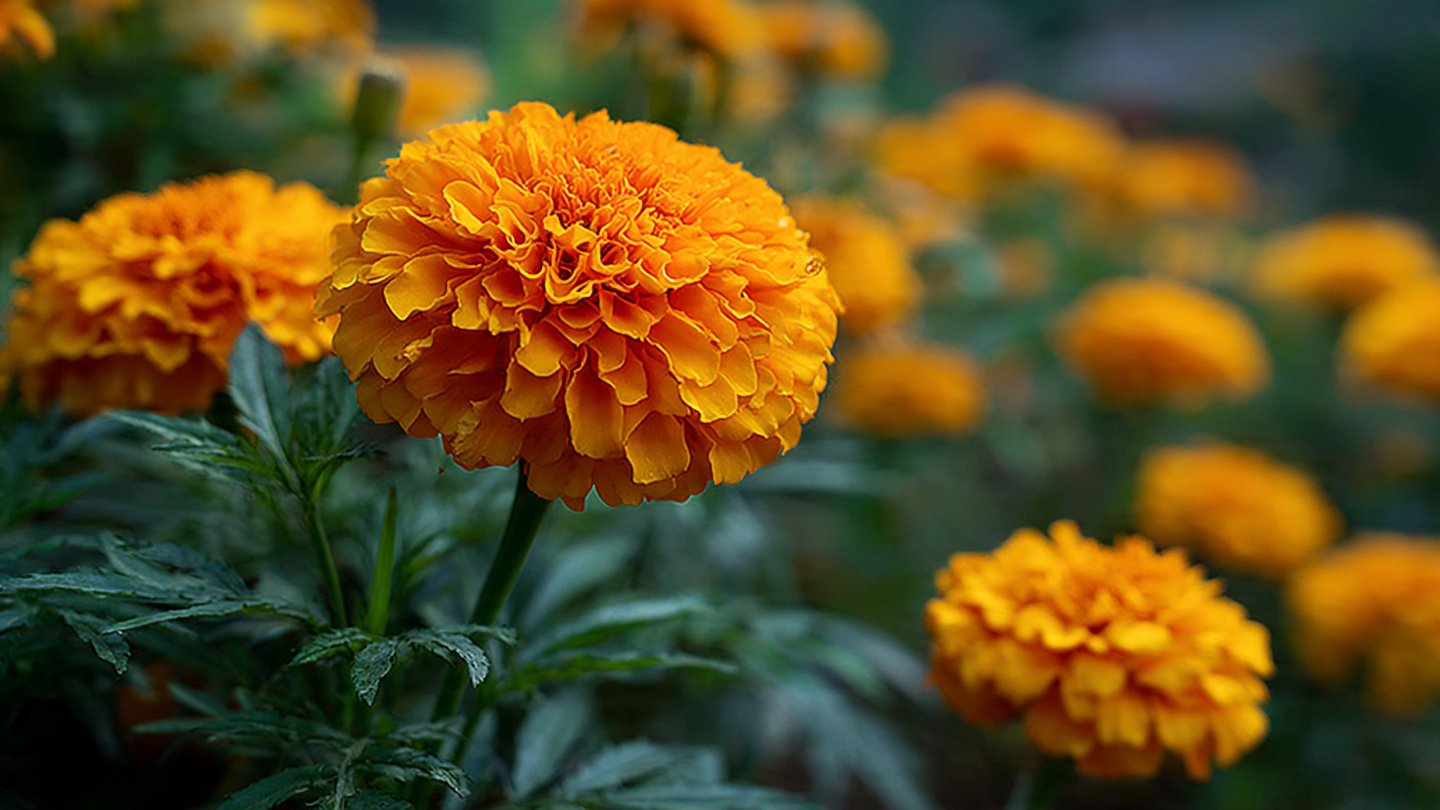
Marigolds are one of the most popular flowers for home gardens, admired for their bright, cheerful blooms and their natural ability to repel certain pests. They are easy to grow, hardy, and versatile, making them ideal for both beginners and experienced gardeners. However, like any plant, marigolds can sometimes attract pests if proper care is not taken. The good news is that with a few simple techniques, you can cultivate healthy, vibrant marigolds that thrive without being attacked by insects or diseases.
This guide will walk you through the easy steps to grow marigolds pest-free, covering everything from seed selection and planting to watering, fertilization, and maintenance. By following these methods, your marigolds will bloom beautifully and bring color and fragrance to your garden year after year.
Why Grow Marigolds in Your Garden
Marigolds are more than just beautiful flowers—they offer several practical and aesthetic benefits:
- Natural pest deterrent: Marigolds release a scent that repels nematodes, aphids, and other harmful insects.
- Low maintenance: Hardy and resilient, marigolds grow well in various conditions.
- Versatile use: Perfect for borders, containers, hanging baskets, and companion planting.
- Continuous blooms: With proper care, they flower from spring to frost, providing long-lasting color.
- Cultural significance: Often used in festivals, ceremonies, and decorative arrangements.
Whether planted in a small balcony container or a large backyard garden, marigolds add charm and practicality to your space.
Choosing the Right Marigold Variety
Selecting the right marigold variety is essential for pest-free growth and abundant flowering:
- French marigolds (Tagetes patula): Compact, bushy plants with small, dense blooms; excellent for container gardening and pest resistance.
- African marigolds (Tagetes erecta): Taller varieties with large, showy flowers, ideal for borders or as focal points.
- Signet marigolds (Tagetes tenuifolia): Smaller, edible flowers with a spicy aroma that also repels pests.
Choosing pest-resistant varieties, especially French marigolds, increases the likelihood of maintaining healthy plants with minimal intervention.
Preparing the Soil
Marigolds thrive in well-draining, nutrient-rich soil. Proper soil preparation is key to strong growth and pest resistance:
- Soil type: Sandy loam or garden soil mixed with compost works best.
- Drainage: Ensure proper drainage to prevent waterlogging, which attracts pests and causes root rot.
- pH level: Slightly acidic to neutral soil (6.0–7.0) promotes optimal growth.
- Fertility: Enrich the soil with organic matter such as compost or vermicompost for strong roots and vibrant blooms.
Healthy soil provides a natural defense against many pests and supports vigorous plant development.
Sowing Marigold Seeds
Marigold seeds are easy to germinate and grow, making them ideal for beginners:
- Sow seeds ¼ inch deep in prepared soil or seed trays.
- Maintain a spacing of 6–12 inches between seedlings, depending on variety.
- Keep the soil moist but not soggy.
- Place containers in a warm, sunny spot to encourage germination.
Seeds typically germinate within 5–10 days. For continuous blooms, sow new seeds every 3–4 weeks.
Sunlight Requirements
Marigolds thrive in bright sunlight, which also helps prevent pests:
- Provide 6–8 hours of direct sunlight daily.
- For balcony or indoor planting, position near south-facing windows or under grow lights.
- Avoid excessive shade, as it encourages fungal growth and weakens plants, making them more susceptible to pests.
Adequate sunlight strengthens plant tissues and enhances the natural chemicals that repel insects.
Watering Techniques
Proper watering is essential to maintain healthy, pest-resistant marigolds:
- Water at the base of the plant, avoiding wetting the foliage. Wet leaves attract fungal infections and pests.
- Maintain even soil moisture but allow the top inch to dry between watering.
- Mulch around the base to retain moisture and regulate soil temperature.
Consistent, controlled watering reduces stress on plants and prevents conditions that favor pests.
Fertilization
Marigolds do not require heavy feeding, but occasional fertilization promotes lush growth and vibrant blooms:
- Use a balanced, slow-release fertilizer every 4–6 weeks.
- Organic options like compost tea or fish emulsion are excellent for natural pest resistance.
- Avoid over-fertilization, which encourages excessive leaf growth and makes plants more attractive to aphids and caterpillars.
Well-fed plants produce stronger stems and more fragrant flowers, naturally deterring pests.
Natural Pest Prevention
Marigolds are naturally resistant to many pests, but additional steps help ensure a pest-free garden:
- Companion planting: Plant marigolds alongside tomatoes, peppers, or herbs to repel nematodes, aphids, and whiteflies.
- Neem oil spray: A gentle organic solution that deters most insect pests without harming beneficial insects.
- Garlic or chili spray: Acts as a natural repellent for soft-bodied pests like aphids.
- Handpicking pests: Remove caterpillars or beetles manually to prevent infestations.
- Healthy spacing: Adequate spacing improves airflow, reducing fungal infections that attract pests.
Combining natural defenses with proper care ensures your marigolds remain vibrant and healthy.
Pruning and Maintenance
Routine maintenance promotes continuous flowering and keeps pests away:
- Remove dead or yellow leaves to prevent disease buildup.
- Pinch back spent flowers to encourage new blooms.
- Trim excessive growth to maintain shape and airflow.
Regular pruning not only enhances appearance but also strengthens the plant’s natural defenses against pests.
Container Gardening Tips
Marigolds are ideal for container gardening, especially for urban spaces:
- Choose pots with good drainage holes.
- Use a lightweight, well-draining potting mix.
- Rotate containers occasionally to ensure even sunlight exposure.
- Place pots where airflow is good, reducing fungal risks.
Container-grown marigolds are easier to monitor for pests and can be moved to optimal sunlight or protected from heavy rain.
Harvesting and Enjoying Marigolds
Marigold flowers can be harvested and used in multiple ways:
- Cut flowers regularly to encourage continuous blooming.
- Use in floral arrangements, garden decorations, or ceremonial displays.
- Some varieties are edible; petals can be added to salads or teas for a splash of color.
- Harvest in the morning when flowers are freshest for maximum vibrancy.
Regular harvesting keeps plants productive and less likely to attract pests.
Troubleshooting Common Issues
Even with precautions, occasional problems may arise:
- Aphids or whiteflies: Spray with neem oil or a mild soap solution.
- Powdery mildew: Ensure proper spacing and airflow; avoid overhead watering.
- Leaf yellowing: Check for overwatering or nutrient deficiencies.
- Slugs and snails: Use barriers or handpick to prevent leaf damage.
Early detection and consistent care prevent minor issues from turning into major infestations.
Final Thoughts
Growing marigolds pest-free is easier than many gardeners think. With proper seed selection, well-prepared soil, adequate sunlight, controlled watering, and natural pest prevention, both beginners and seasoned gardeners can enjoy vibrant, long-lasting blooms.
Marigolds are not just ornamental—they are a natural ally in protecting your garden while brightening it with color. By following these simple steps, you can cultivate healthy, thriving marigolds that resist pests, flower abundantly, and enhance the beauty and productivity of your garden year after year.