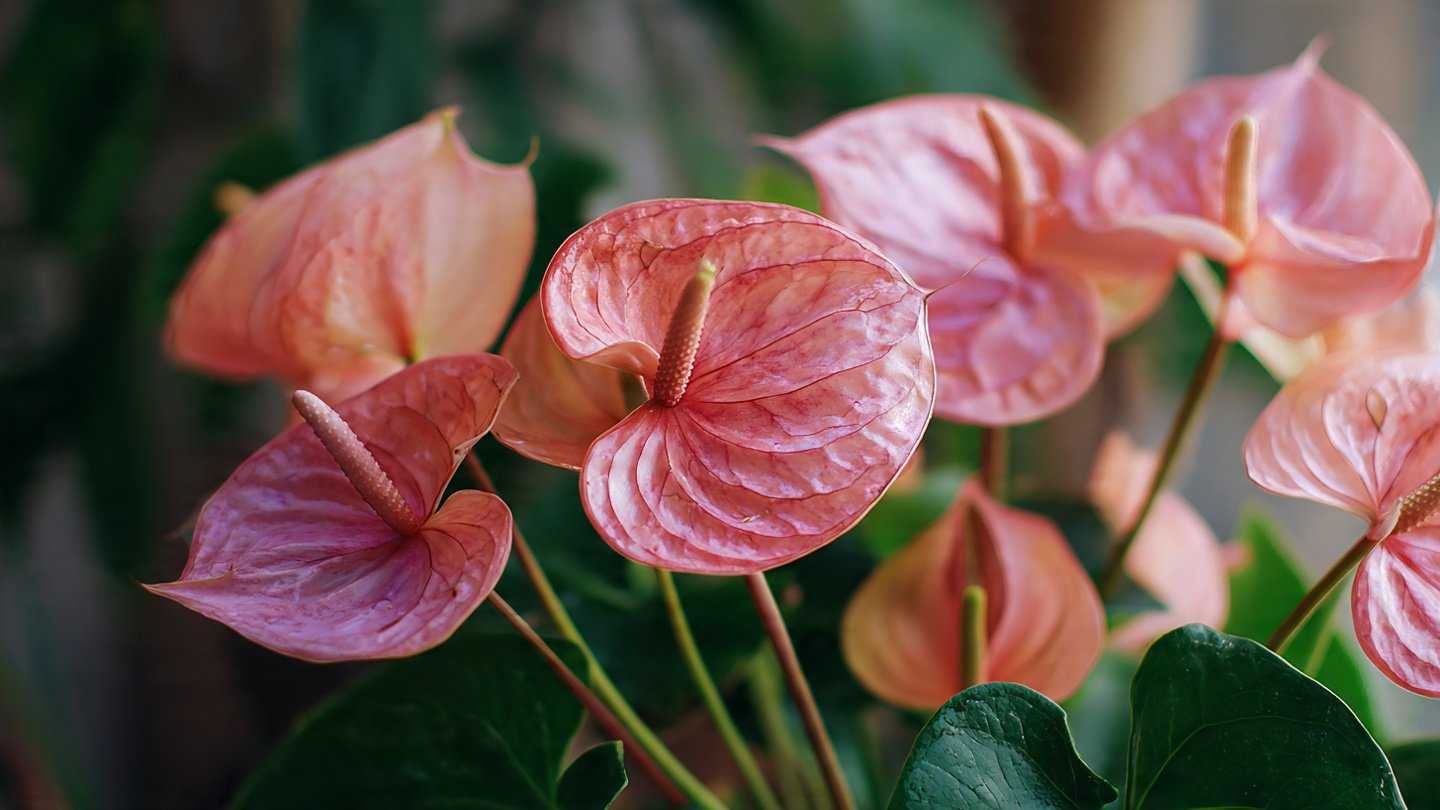
Ultimate Guide to Successfully Growing Anthurium Pink Varieties in Your Home Garden for Stunning Indoor Decor
Anthuriums, also known as flamingo flowers, are tropical beauties that bring vibrant color and elegance to any indoor space. Among the many varieties, pink anthuriums are particularly prized for their soft, romantic hues and glossy, heart-shaped spathes. These stunning plants are not only a visual delight but also excellent air purifiers, making them perfect for indoor gardening and home décor.
Growing pink anthuriums successfully at home requires understanding their specific needs for light, humidity, soil, watering, and fertilization. With the right care, these tropical gems can thrive indoors, producing striking blooms year-round. This comprehensive guide will cover every aspect of cultivating Anthurium pink varieties, ensuring they remain healthy, vibrant, and decorative in your home garden.
Why Choose Pink Anthuriums for Your Home
Pink anthuriums are a favorite among indoor plant enthusiasts for several reasons:
- Aesthetic Appeal: Their delicate pink spathes and deep green, glossy leaves add elegance to any room.
- Year-Round Blooms: With proper care, pink anthuriums can flower multiple times a year.
- Air Purifying: Anthuriums help filter indoor pollutants, promoting cleaner air.
- Low Maintenance: Once established, they are relatively easy to maintain with consistent care.
- Versatile Décor: Perfect for tabletops, shelves, windowsills, or as striking centerpieces.
Choosing pink anthuriums not only enhances your indoor space but also provides a rewarding horticultural experience.
Step 1: Selecting the Right Pink Anthurium Variety
There are numerous anthurium varieties with pink spathes, each differing slightly in flower size, leaf shape, and growth habit. Some popular pink anthuriums include:
- Anthurium andraeanum ‘Pink Champion’: Large, vivid pink flowers with strong stems.
- Anthurium ‘Princess Pink’: Compact, delicate flowers ideal for indoor pots.
- Anthurium ‘Obake Pink’: Unique, slightly twisted spathes that create a striking visual effect.
- Anthurium ‘Pink Lady’: Elegant, soft pink blooms with a lush, compact foliage base.
Select a variety that suits your indoor space, desired bloom size, and decorative preference.
Step 2: Choosing the Perfect Indoor Location
Pink anthuriums thrive in bright, indirect sunlight. Direct sunlight can scorch leaves and fade the vibrant pink spathes, while too little light can reduce flowering.
- Ideal Placement: Near an east or north-facing window with filtered light.
- Artificial Light: Fluorescent or LED grow lights can supplement natural light in dim rooms.
- Rotation: Turn the plant occasionally to ensure even growth and prevent leaning toward the light source.
Proper placement is key to maintaining the glossy foliage and producing vibrant blooms.
Step 3: Selecting the Right Soil
Pink anthuriums are epiphytic plants in nature, meaning they grow on trees rather than in dense soil. For indoor cultivation, a light, well-draining, and aerated soil mix is essential.
Recommended Soil Mix:
- 1 part peat moss or coco coir for moisture retention
- 1 part orchid bark or perlite for aeration and drainage
- Optional: A small amount of charcoal to prevent fungal growth
Avoid compact garden soil, which retains too much water and can cause root rot. The right soil mix allows roots to breathe while retaining enough moisture for healthy growth.
Step 4: Pot Selection and Drainage
Choosing the right pot is as important as the soil:
- Drainage: Ensure the pot has multiple drainage holes to prevent waterlogging.
- Size: Slightly larger than the root ball; avoid oversized pots as excess soil can retain too much moisture.
- Material: Plastic, ceramic, or clay pots work well, but avoid materials that retain excessive heat near the roots.
Proper drainage and pot choice prevent root rot and promote robust, healthy root systems.
Step 5: Watering Pink Anthuriums
Watering is critical for maintaining healthy pink anthuriums. They prefer consistently moist soil, but overwatering can lead to root rot.
Watering Tips:
- Water when the top 1 inch of soil feels dry to the touch.
- Use room-temperature water to avoid shocking the roots.
- Reduce watering slightly during cooler months when growth slows.
- Mist leaves occasionally to maintain humidity, especially in dry indoor environments.
Balanced watering ensures glossy foliage, vibrant blooms, and healthy growth.
Step 6: Maintaining Humidity
Pink anthuriums thrive in high humidity (60–80%), reflecting their tropical origins.
Ways to Maintain Humidity Indoors:
- Use a humidity tray filled with water and pebbles beneath the pot.
- Place a humidifier near the plant in dry rooms.
- Group plants together to create a micro-humid environment.
- Mist leaves lightly, but avoid over-saturating the flowers.
Proper humidity levels prevent leaf browning, encourage new growth, and promote prolonged flowering.
Step 7: Fertilizing for Stunning Blooms
Pink anthuriums are heavy feeders when it comes to flowering. A balanced fertilization routine encourages larger, longer-lasting blooms.
- Use a liquid fertilizer with an NPK ratio of 10:10:10 or 20:20:20 every 6–8 weeks during the growing season.
- Fertilize lightly in the dormant season to avoid overfeeding.
- Foliar sprays with diluted fertilizer can provide nutrients directly to leaves.
Proper fertilization promotes vibrant pink spathes and lush, healthy foliage.
Step 8: Pruning and Cleaning
Regular pruning and cleaning improve plant health and aesthetics:
- Remove yellow or damaged leaves to redirect energy toward new growth.
- Cut spent flowers at the base to encourage continuous blooming.
- Wipe leaves occasionally with a damp cloth to remove dust and allow maximum photosynthesis.
Pruning keeps the plant looking fresh while promoting optimal growth and more blooms.
Step 9: Repotting Pink Anthuriums
Repotting every 2–3 years is essential for pink anthuriums:
- Move to a slightly larger pot to accommodate root growth.
- Replace old soil with fresh, aerated soil mix.
- Avoid disturbing roots excessively, but trim dead roots if necessary.
Repotting prevents root-bound conditions and ensures ongoing health and flowering.
Step 10: Pest and Disease Management
Although relatively hardy, pink anthuriums can be affected by pests or diseases:
Common Pests:
- Aphids, mealybugs, spider mites – treat with insecticidal soap or neem oil.
Common Diseases:
- Root rot due to overwatering
- Leaf spots from fungal infections – remove affected leaves and improve airflow
Maintaining clean leaves, proper watering, and good air circulation minimizes pest and disease issues.
Step 11: Encouraging Year-Round Blooms
With the right care, pink anthuriums can bloom multiple times a year:
- Ensure adequate indirect light daily.
- Maintain high humidity and consistent watering.
- Fertilize during active growth periods.
- Remove old flowers promptly to encourage new spathes.
- Keep plants in a stable environment free from drafts or extreme temperature fluctuations.
Consistent care is key to enjoying continuous, stunning pink blooms indoors.
Conclusion
Pink anthuriums are more than just decorative plants—they are living pieces of art that brighten any indoor space while improving air quality. By providing proper light, well-draining soil, consistent moisture, high humidity, and regular fertilization, you can ensure your pink anthuriums thrive and produce gorgeous blooms year-round.
With careful attention to pruning, repotting, and pest management, these tropical beauties will reward your efforts with stunning indoor décor, vibrant flowers, and lush foliage. Whether displayed on a shelf, coffee table, or as a centerpiece, pink anthuriums bring elegance, color, and a touch of the tropics to your home garden.