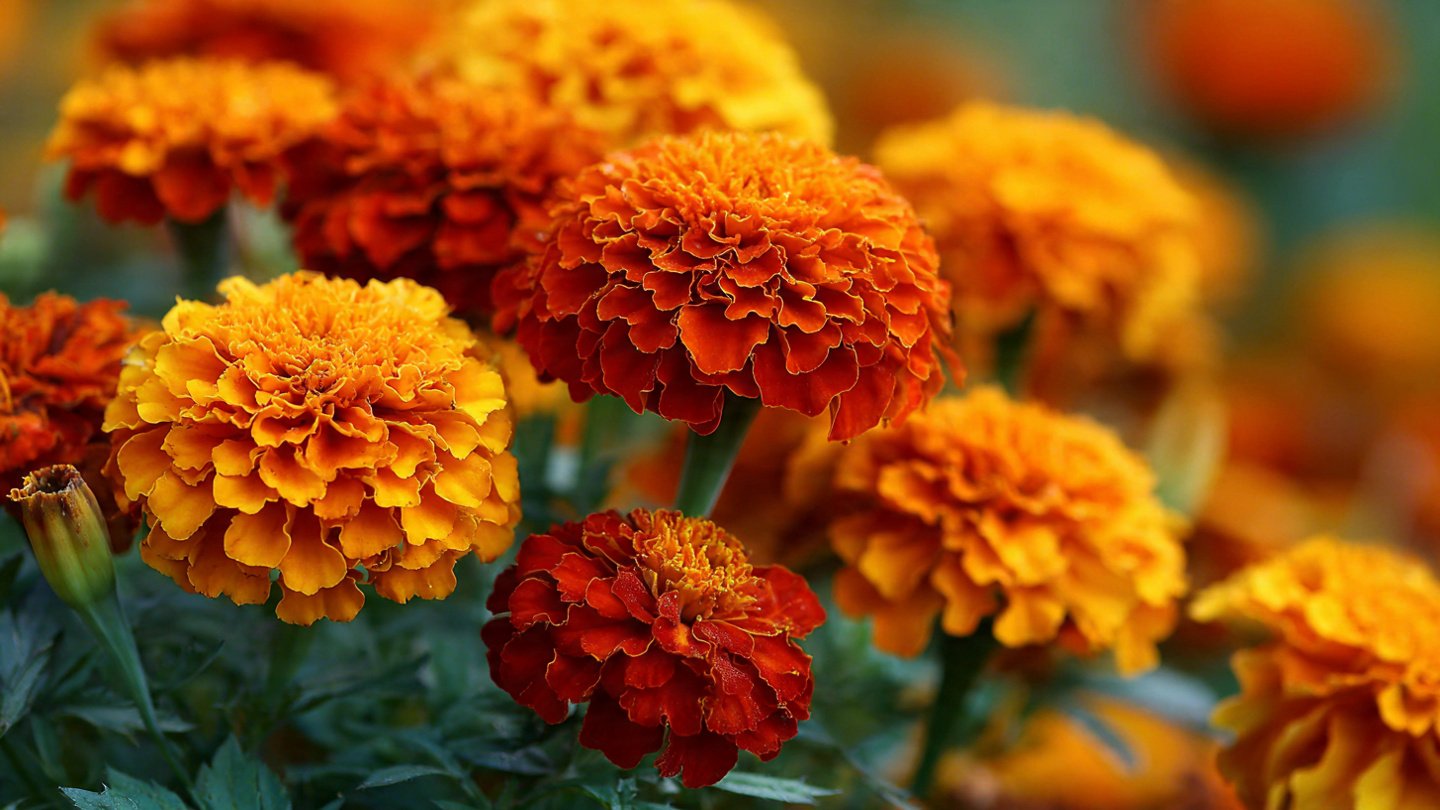
Marigolds are a gardener’s delight. Known for their cheerful yellow, orange, and red blooms, marigolds add warmth, color, and vibrancy to any garden. Beyond aesthetics, these hardy flowers are natural pest repellents and attract pollinators, making them valuable companions in vegetable beds and ornamental gardens alike. Growing marigolds for nonstop blooms throughout the season is easier than you might think, and with the right techniques, your garden can be a continuous explosion of color from spring to fall. This guide walks you through selecting varieties, planting, care, and strategies to keep your marigolds thriving all season long.
Why Grow Marigolds?
Marigolds are more than just beautiful blooms; they are practical, versatile, and easy to maintain:
- Vibrant colors: Marigolds brighten gardens with shades of yellow, orange, red, and bi-colored varieties.
- Pest deterrent: They naturally repel insects like nematodes, aphids, and mosquitoes.
- Attract pollinators: Bees and butterflies are drawn to marigolds, supporting your garden ecosystem.
- Low maintenance: Hardy, drought-tolerant, and resistant to many common plant diseases.
- Versatile planting: Ideal for beds, borders, containers, hanging baskets, or companion planting.
Marigolds combine beauty and utility, making them a top choice for home gardeners.
Choosing the Right Marigold Varieties
Selecting varieties suited to your garden space and desired bloom type is crucial for continuous flowering:
- French marigolds (Tagetes patula): Compact, bushy plants ideal for containers, borders, or small beds. Blooms last long and are perfect for continuous color.
- African marigolds (Tagetes erecta): Tall varieties with large blooms suitable for beds, cut flowers, or dramatic garden focal points.
- Signet marigolds (Tagetes tenuifolia): Delicate, edible flowers with a subtle citrus aroma. Great for borders or edible gardens.
- Patio or dwarf varieties: Perfect for small spaces or container gardening.
- Bi-colored varieties: Add variety and contrast in flower beds for visual interest.
Choosing a combination of varieties with different bloom heights, colors, and times ensures nonstop color throughout the season.
Preparing Your Garden or Containers
Marigolds thrive in well-draining soil and full sunlight:
- Sunlight: At least 6–8 hours of direct sun per day for optimal growth.
- Soil: Fertile, well-draining soil with a pH of 6.0–7.0 works best.
- Fertilizer: Mix in compost or a balanced organic fertilizer before planting to enrich soil nutrients.
- Containers: Use pots with drainage holes to prevent waterlogging. Dwarf varieties do well in small pots, while larger marigolds need room for root expansion.
Proper preparation ensures healthy, vigorous plants that bloom continuously.
Planting Marigolds
From Seeds
- Sow seeds 0.5–1 cm deep directly in garden soil or seed trays.
- Maintain spacing of 15–30 cm depending on the variety.
- Keep soil moist until germination occurs, typically 5–10 days.
- Thin seedlings as needed to ensure proper airflow and space for growth.
From Seedlings
- Transplant young seedlings carefully to avoid root damage.
- Water immediately after transplanting to help plants settle.
- Space appropriately to reduce competition for nutrients and sunlight.
Starting from seedlings gives a head start, while seeds allow for a staggered planting approach to maintain blooms all season.
Watering and Care
Consistent care ensures vibrant, long-lasting blooms:
- Watering: Water deeply once or twice a week, more frequently during hot, dry spells. Avoid wetting foliage excessively to prevent fungal diseases.
- Mulching: Apply organic mulch around the base to retain moisture, suppress weeds, and regulate soil temperature.
- Fertilization: Use a balanced liquid fertilizer every 3–4 weeks to encourage continuous flowering.
Healthy, consistent care leads to strong stems, lush foliage, and abundant blooms.
Deadheading and Pruning
Deadheading is essential to prolong the blooming period of marigolds:
- Remove faded or spent flowers regularly to prevent seed formation.
- Pinch back leggy growth to encourage branching and more flowers.
- For African marigolds, remove blooms at the base to encourage new flowering cycles.
Routine deadheading and light pruning keep your marigolds productive and visually appealing.
Succession Planting
To maintain continuous blooms throughout the season, succession planting is key:
- Stagger sowing: Plant new seeds or seedlings every 3–4 weeks.
- Mix varieties: Combine French, African, and Signet marigolds to ensure flowers bloom at different times.
- Container rotation: Move pots as needed to provide optimal sunlight and temperature, especially in hot or cool periods.
Succession planting guarantees a garden full of color without interruption.
Pest and Disease Management
Marigolds are naturally pest-resistant, but monitoring for issues is important:
- Aphids and whiteflies: Spray with neem oil or insecticidal soap.
- Powdery mildew or leaf spot: Ensure proper spacing for airflow and avoid overhead watering.
- Slugs and snails: Use barriers or natural repellents if planting near moist areas.
Preventive care ensures your marigolds remain healthy and continue blooming all season.
Companion Planting
Marigolds are excellent companions in vegetable or flower gardens:
- Plant alongside tomatoes, peppers, or eggplants to repel nematodes.
- Pair with other annual flowers for color contrast and pollinator attraction.
- Use dwarf varieties near herbs or low-growing vegetables to maximize space.
This dual-purpose strategy improves both the aesthetic and health of your garden.
Harvesting and Enjoying Marigolds
Marigolds can be used for ornamental and practical purposes:
- Cut blooms for indoor vases to enjoy their vibrant colors indoors.
- Use Signet marigolds for edible flowers in salads, teas, or garnishes.
- Harvest flowers regularly to encourage new blooms and maintain productivity.
Marigolds not only beautify your garden but also provide versatile uses for home and kitchen.
Final Thoughts
Growing marigolds for nonstop blooms is achievable with proper planning, care, and a little patience. By selecting the right varieties, preparing fertile soil, providing adequate sunlight and water, practicing deadheading, and using succession planting, your garden can be filled with vibrant marigold flowers from early spring until the first frost.
Whether planted in beds, containers, or borders, marigolds offer cheerful color, pest control benefits, and low-maintenance gardening, making them a favorite for both beginners and experienced gardeners. With these simple techniques, your garden will bloom continuously, creating a lively, colorful outdoor space that brightens every corner of your home.