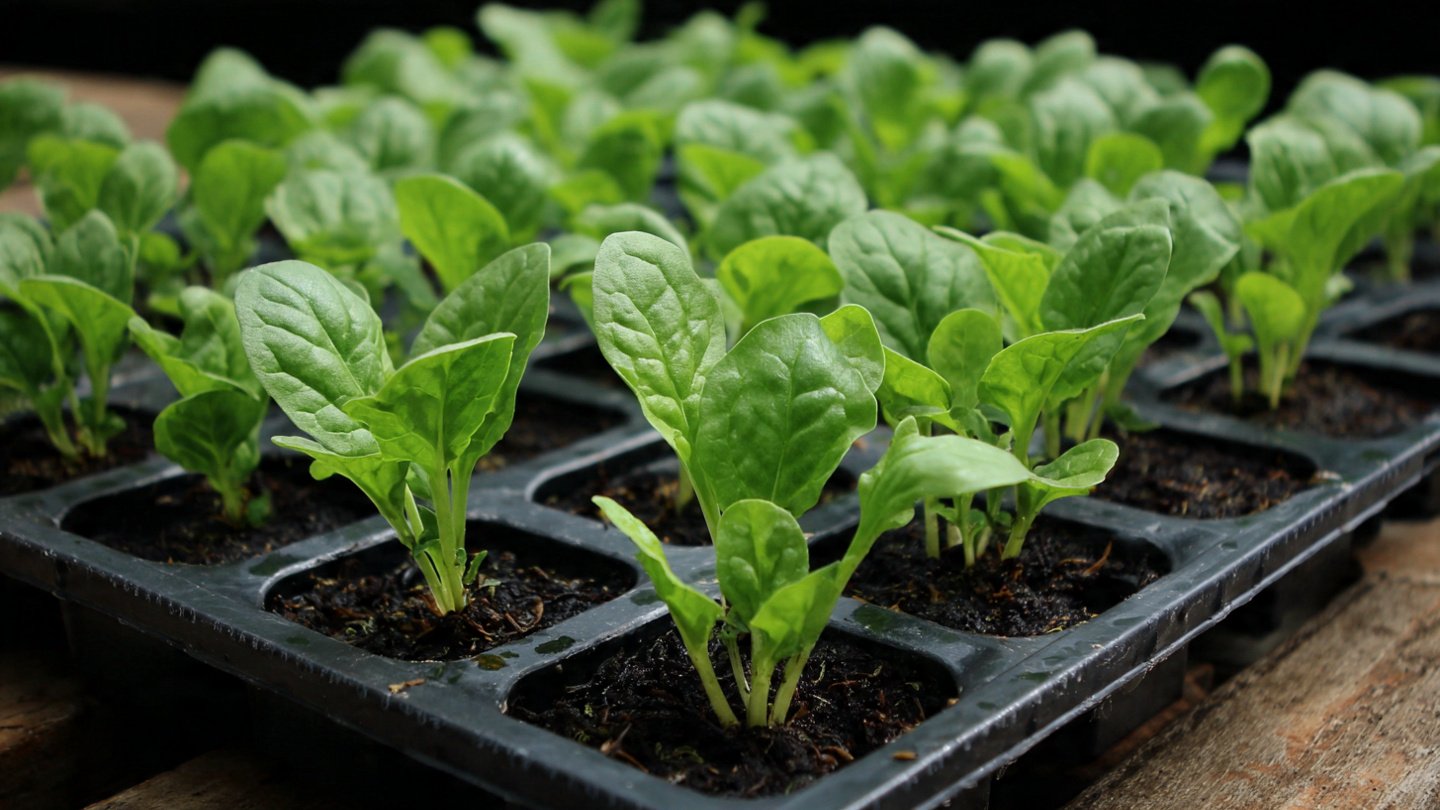
Spinach is one of the most nutritious and versatile leafy greens, packed with vitamins A, C, and K, iron, calcium, and antioxidants. Growing your own spinach at home is a rewarding way to ensure fresh, chemical-free greens for salads, smoothies, sautés, and more. For beginners or urban gardeners, using shallow trays is a practical and efficient method. This approach requires minimal space, makes watering and harvesting easy, and allows for continuous production. This guide provides step-by-step instructions for growing healthy, vibrant spinach in shallow trays, even if you’re a complete beginner.
Why Grow Spinach in Shallow Trays?
Shallow tray cultivation is ideal for spinach for several reasons:
- Space-Saving: Perfect for balconies, windowsills, and small kitchens.
- Controlled Environment: Easier to manage soil, water, and sunlight compared to outdoor beds.
- Faster Growth: Spinach matures quickly in shallow trays due to easy access to nutrients and moisture.
- Continuous Harvest: You can practice “cut-and-come-again” harvesting for multiple yields.
- Beginner-Friendly: Simple to set up and maintain, ideal for first-time growers.
Using trays allows for high-density planting and continuous access to fresh greens without a large garden.
Choosing the Right Spinach Variety
Spinach comes in several varieties suited for different growing conditions:
- Flat-Leaf Spinach: Smooth leaves, easy to clean, ideal for salads.
- Savoy Spinach: Crinkled, textured leaves, highly flavorful and heat-tolerant.
- Semi-Savoy Spinach: A balance between flat and crinkled, adaptable to different climates.
- Baby Leaf Varieties: Grow quickly and are perfect for cut-and-come-again harvesting.
For shallow trays, baby leaf or semi-savoy varieties are highly recommended because they mature quickly and are easy to manage in limited soil depth.
Selecting the Right Tray
The tray is the foundation of successful shallow tray spinach cultivation:
- Depth: A tray with a depth of 2–4 inches is sufficient. Spinach has shallow roots and does not require deep soil.
- Material: Plastic trays are lightweight and affordable, while ceramic or wooden trays can be decorative.
- Drainage: Ensure the tray has drainage holes to prevent waterlogging and root rot.
- Size: Larger trays allow for higher-density planting, while smaller trays are ideal for windowsills.
A well-chosen tray ensures proper growth and prevents common issues like soggy soil.
Preparing the Soil
Spinach thrives in nutrient-rich, well-draining soil:
- Soil Mix: Combine garden soil, compost, and perlite in a 2:1:1 ratio for aeration and drainage.
- Fertility: Enrich soil with organic compost or well-rotted manure to provide nutrients for vigorous growth.
- pH Level: Spinach prefers slightly acidic to neutral soil (pH 6.0–7.0). Test soil and adjust if necessary.
- Moisture Retention: Ensure soil can hold moisture without becoming waterlogged. Adding coco peat or vermiculite helps retain moisture.
Healthy soil ensures rapid germination, strong roots, and lush green leaves.
Sowing Spinach Seeds
Sowing correctly is crucial for optimal growth in shallow trays:
- Seed Preparation: Soak seeds for 6–8 hours in water to speed up germination.
- Planting Depth: Sow seeds ¼ inch deep in the prepared soil.
- Spacing: Scatter seeds evenly and thin seedlings after germination to 1–2 inches apart to prevent overcrowding.
- Watering: Keep soil consistently moist but not soggy during germination. Seeds typically sprout within 7–14 days.
Proper sowing ensures even growth and prevents weak or spindly seedlings.
Providing Adequate Light
Spinach grows best in bright, indirect sunlight:
- Sunlight: Place trays in a location with 4–6 hours of sunlight daily, such as a south-facing balcony or windowsill.
- Artificial Light: If natural light is insufficient, use LED grow lights for 10–12 hours daily.
- Rotation: Rotate trays periodically to ensure even growth and prevent leaves from leaning toward light.
Adequate light promotes healthy, dark green leaves and prevents leggy growth.
Watering and Moisture Management
Consistent moisture is key for shallow tray spinach:
- Frequency: Water regularly to keep soil moist, especially during hot weather or indoors with dry air.
- Avoid Overwatering: Ensure trays have drainage holes and avoid letting water accumulate at the bottom.
- Humidity: Indoors, maintain moderate humidity by misting occasionally or using a humidity tray.
Proper watering prevents stress, bolsters leaf development, and supports a continuous harvest.
Fertilizing Spinach
Spinach benefits from light feeding during its growth cycle:
- Organic Fertilizer: Use compost tea, diluted fish emulsion, or organic liquid fertilizer every 2–3 weeks.
- Balanced Nutrients: A balanced NPK fertilizer promotes healthy leaf growth without encouraging excessive leafiness at the expense of flavor.
- Avoid Overfertilization: Too much fertilizer can result in leafy growth that tastes bitter.
Moderate, consistent fertilization ensures nutrient-rich, flavorful leaves.
Harvesting Spinach in Shallow Trays
Spinach can be harvested multiple times using the cut-and-come-again method:
- Timing: Begin harvesting when leaves reach 3–4 inches.
- Technique: Cut outer leaves about 1 inch above the base, leaving the central leaves to continue growing.
- Frequency: Harvest every 1–2 weeks to encourage continuous production.
- Storage: Wash and store fresh leaves in a perforated container in the refrigerator for up to a week.
Regular harvesting stimulates new growth and ensures a steady supply of fresh greens.
Managing Pests and Diseases
Even in shallow trays, spinach can encounter occasional problems:
Common Pests:
- Aphids: Spray leaves with soapy water or neem oil.
- Leaf Miners: Remove affected leaves promptly.
- Slugs: Use natural deterrents or barriers if grown outdoors.
Common Diseases:
- Downy Mildew: Ensure good airflow and avoid waterlogged soil.
- Root Rot: Prevent by proper drainage and avoiding overwatering.
Monitoring plants regularly and addressing issues early prevents damage and supports a healthy harvest.
Tips for Maximizing Spinach Yield in Shallow Trays
- Succession Planting: Sow new seeds every 2–3 weeks to maintain continuous harvest.
- Use Companion Plants: Pair with herbs like parsley or chives in the same tray for space efficiency.
- Temperature Control: Spinach grows best in cool conditions (50–70°F). Move trays indoors during extreme heat.
- Rotate Trays: Prevent uneven growth and ensure uniform leaf development.
By following these tips, even beginners can achieve lush, productive spinach trays.
Final Thoughts
Growing spinach in shallow trays is a practical and rewarding approach for beginners, urban gardeners, and anyone seeking fresh, chemical-free greens. By selecting the right seeds, preparing nutrient-rich soil, providing adequate light, maintaining consistent watering, and using proper fertilization, you can achieve healthy, vibrant spinach plants. Regular harvesting and pest management ensure a continuous supply of fresh leaves throughout the season.
With attention to detail and consistent care, shallow tray spinach cultivation transforms limited spaces into productive, green oases, allowing you to enjoy nutritious, homegrown spinach all year round.