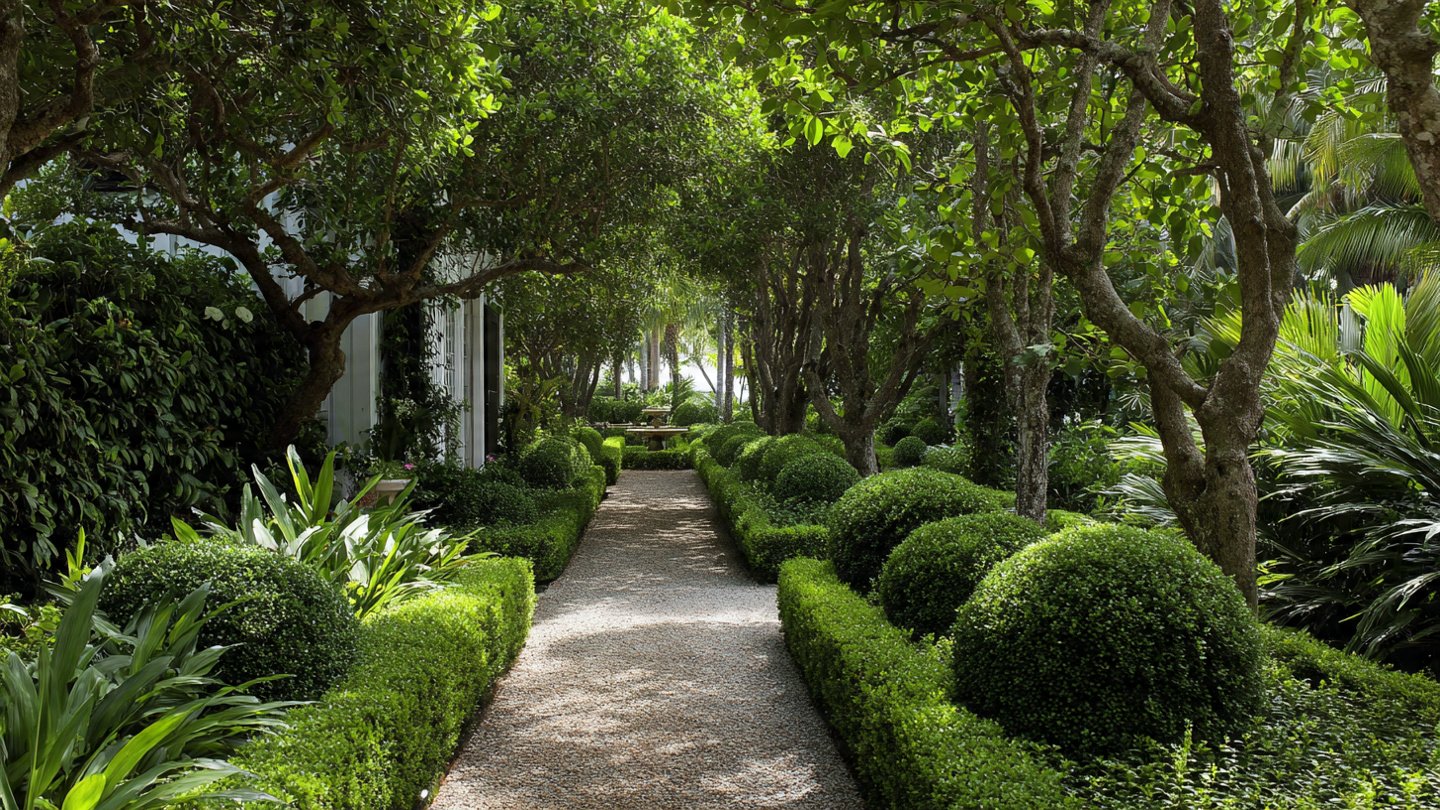
Boxwood shrubs (Buxus spp.) are iconic in formal gardens worldwide, known for their dense, evergreen foliage, compact growth, and ability to be shaped into elegant hedges or topiaries. However, traditional boxwoods often struggle in tropical climates due to high heat, humidity, and pest pressures. For gardeners in tropical regions, finding resilient alternatives is essential to maintain the classic elegance of formal landscaping without compromising plant health.
This guide explores hardy, visually appealing boxwood substitutes suited for tropical gardens, including planting strategies, care requirements, and design ideas to help you create a lush, structured landscape that thrives under tropical conditions.
Why Look for Boxwood Alternatives in Tropical Gardens?
Tropical climates present unique challenges for traditional boxwood:
- Heat sensitivity: Boxwoods can suffer from leaf scorch and stress in hot, humid climates.
- Pest and disease pressure: High humidity promotes fungal diseases like leaf spot, powdery mildew, and boxwood blight.
- Slow growth: Some boxwood varieties do not establish well in tropical soils.
By choosing resilient alternatives, tropical gardeners can enjoy similar formal aesthetics with plants that thrive naturally in heat and humidity, reducing maintenance and ensuring long-term beauty.
Key Traits to Look for in Tropical Boxwood Alternatives
When selecting a substitute for boxwood, focus on the following traits:
- Evergreen foliage: Retains a year-round green appearance for structure and color.
- Dense growth habit: Supports shaping into hedges, borders, or topiaries.
- Heat and humidity tolerance: Survives tropical conditions without frequent disease outbreaks.
- Pest resistance: Reduces the need for chemical interventions.
- Moderate growth rate: Allows manageable maintenance and shaping.
Plants meeting these criteria provide the visual benefits of boxwood while flourishing in tropical gardens.
Popular Boxwood Alternatives for Tropical Gardens
Several species have proven effective as boxwood replacements:
1. Indian Laurel (Ficus microcarpa ‘Nitida’)
- Growth habit: Dense, evergreen foliage that can be pruned into formal shapes.
- Advantages: Extremely heat-tolerant, fast-growing, and ideal for hedges or bonsai forms.
- Care: Thrives in well-draining soil, requires moderate watering, and benefits from regular pruning to maintain shape.
2. Hibiscus Rosa-sinensis (Dwarf Hibiscus Varieties)
- Growth habit: Bushy, compact, and evergreen with glossy leaves.
- Advantages: Adds vibrant color with seasonal flowers while serving as a structured hedge.
- Care: Prefers full sun, regular watering, and light fertilization. Dwarf varieties are easier to maintain.
3. Duranta erecta (Golden Dewdrop)
- Growth habit: Dense, bushy growth with small, glossy leaves; can be shaped into formal hedges.
- Advantages: Tolerates heat, humidity, and coastal conditions; produces striking blue flowers and golden berries.
- Care: Full sun to partial shade, regular watering, and occasional pruning.
4. Murraya paniculata (Orange Jasmine)
- Growth habit: Compact, dense foliage ideal for low hedges or topiary shapes.
- Advantages: Tolerates heat, grows well in containers, and emits fragrant flowers.
- Care: Prefers well-drained soil, full sun to partial shade, and light fertilization.
5. Clusia rosea (Autograph Tree)
- Growth habit: Thick, leathery leaves that form dense growth; suitable for privacy hedges or sculpted forms.
- Advantages: Highly resilient to heat, drought-tolerant once established, and low-maintenance.
- Care: Thrives in full sun to partial shade, tolerates poor soil, and minimal pruning is needed.
These alternatives provide structure, greenery, and resilience while reducing the maintenance challenges associated with traditional boxwoods in tropical climates.
Planting Strategies for Tropical Hedging
To successfully establish tropical boxwood alternatives, follow these guidelines:
- Spacing: Plant shrubs 30–60 cm apart depending on growth rate and final hedge width.
- Soil preparation: Mix garden soil with compost to improve fertility and drainage. Tropical plants thrive in slightly acidic to neutral soil (pH 6.0–7.5).
- Mulching: Apply organic mulch around the base to retain moisture, regulate soil temperature, and suppress weeds.
- Watering: Keep soil consistently moist during establishment. Once mature, many tropical alternatives tolerate brief dry periods.
- Sunlight: Most alternatives require full sun for dense foliage, but some (e.g., orange jasmine) tolerate partial shade.
Proper planting ensures strong establishment, healthy growth, and uniform hedges.
Pruning and Maintenance
Regular pruning maintains the formal appearance of hedges and topiaries:
- Frequency: Trim 2–3 times per growing season or as needed to retain shape.
- Techniques: Use sharp shears to remove overgrown branches and maintain uniform height.
- Topiary shaping: Many tropical alternatives, like Indian laurel or orange jasmine, respond well to precise shaping and bonsai-style pruning.
- Fertilization: Apply a balanced fertilizer periodically to encourage dense, healthy growth.
Consistent pruning and care help tropical hedges mimic the elegance of traditional boxwoods.
Pest and Disease Management
Even resilient alternatives can face occasional pest or disease challenges:
- Common pests: Aphids, mealybugs, spider mites, and scale insects.
- Fungal issues: Overwatering or poor airflow may lead to leaf spots or powdery mildew.
- Preventive measures: Proper spacing, good drainage, and regular inspection.
- Organic treatments: Neem oil, insecticidal soap, or natural predators help manage infestations sustainably.
Selecting naturally hardy plants minimizes pest pressure and ensures consistent foliage quality.
Design Ideas for Tropical Boxwood Substitutes
Tropical alternatives allow creative landscaping while maintaining a formal aesthetic:
- Hedges and borders: Use Indian laurel, duranta, or orange jasmine for structured garden edges.
- Topiary art: Sculpt plants into spheres, cones, or geometric shapes for visual interest.
- Mixed planting: Combine flowering alternatives like dwarf hibiscus with dense foliage shrubs to balance color and structure.
- Container hedges: Many tropical alternatives thrive in pots or raised beds, allowing flexibility in urban gardens or terraces.
These design approaches provide elegance, greenery, and vibrant color while thriving in tropical conditions.
Seasonal Care Tips
- Spring: Fertilize, prune, and check for new growth.
- Summer: Maintain watering, monitor pests, and ensure sufficient sun exposure.
- Monsoon: Avoid waterlogging; prune damaged or diseased branches promptly.
- Winter: Most tropical alternatives remain evergreen, but reduce fertilization and trimming in cooler months.
Seasonal adjustments support healthy growth, consistent foliage, and reduced stress in tropical climates.
Advantages of Choosing Tropical Boxwood Alternatives
- Heat-tolerant: Plants thrive under high temperatures and humidity.
- Low-maintenance: Less susceptible to pests and diseases than traditional boxwoods.
- Fast establishment: Faster growth rates allow quick hedge formation or topiary development.
- Versatility: Suitable for formal gardens, terraces, patios, or urban landscapes.
- Aesthetic appeal: Dense evergreen foliage ensures year-round structure and elegance.
By selecting the right plants, tropical gardeners can achieve formal, structured landscapes without the challenges associated with traditional boxwoods.
Final Thoughts
Traditional boxwoods may struggle in tropical climates, but numerous resilient alternatives provide the same visual appeal with improved adaptability. Plants like Indian laurel, dwarf hibiscus, duranta, orange jasmine, and clusia rosea offer dense foliage, evergreen beauty, and tolerance to heat, humidity, and pests.
By carefully selecting species, preparing soil, planting strategically, and maintaining proper pruning and care routines, gardeners can create elegant tropical landscapes with structured hedges, topiaries, and vibrant borders. Tropical boxwood alternatives allow you to enjoy formal garden aesthetics while ensuring plant health, resilience, and low maintenance.
With these hardy substitutes, tropical gardeners can combine sophistication, greenery, and color to create stunning gardens that flourish all year long, offering both beauty and functionality in even the warmest, most humid climates.