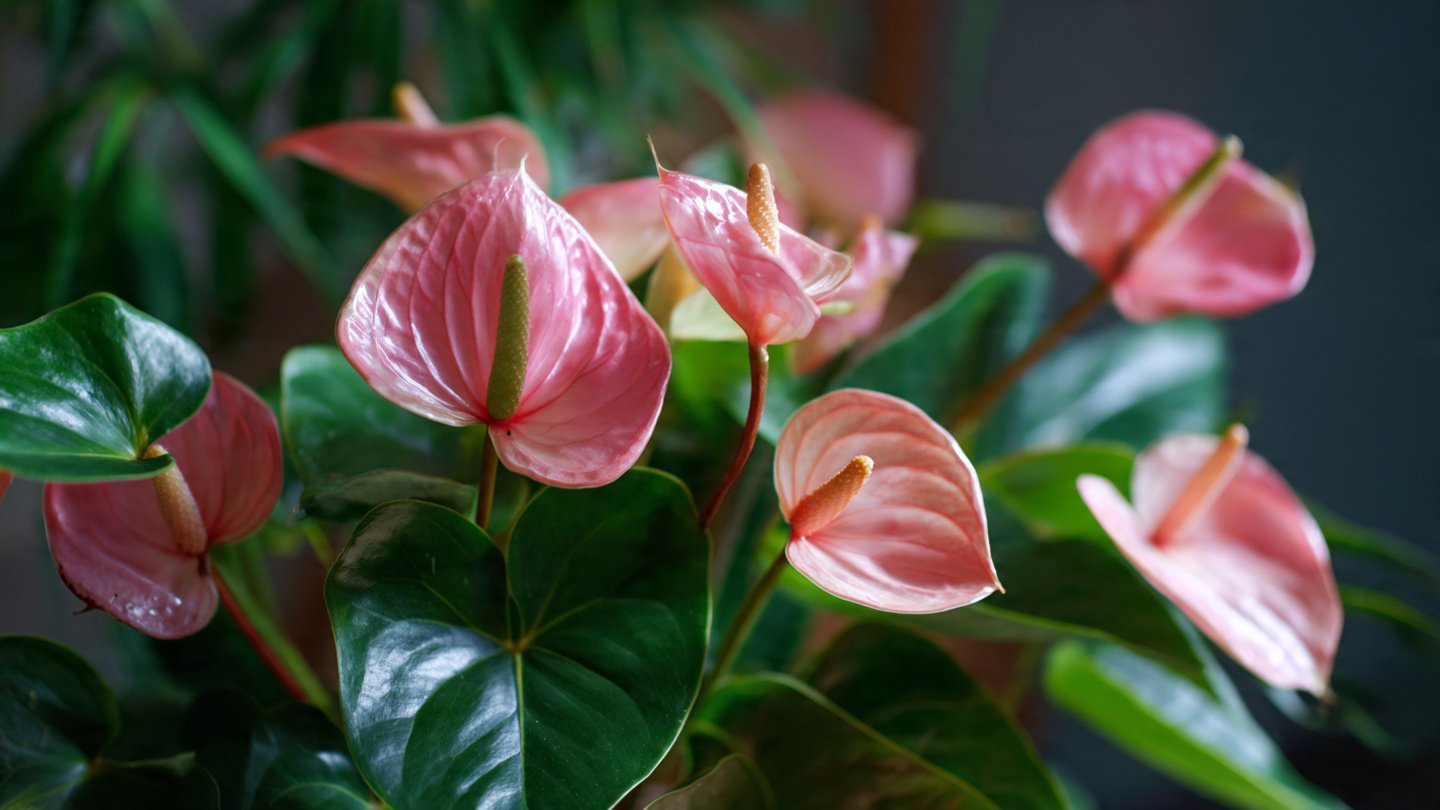
Anthuriums are admired for their glossy green leaves and long-lasting, colorful blooms that brighten indoor spaces year-round. While many people focus on leaf shine and flowers, the real secret to a thriving anthurium lies beneath the surface—in its roots. Healthy roots are the foundation of strong growth, vibrant foliage, and consistent flowering. Fortunately, growing healthy anthurium roots indoors does not require expert-level skills. With the right techniques and a bit of consistency, anyone can do it.
This in-depth guide explains easy, practical tips for growing healthy anthurium roots indoors, helping your plant stay vigorous and beautiful for years to come.
Why Healthy Roots Matter for Anthuriums
Roots are responsible for absorbing water, nutrients, and oxygen. When roots are strong and well-aerated, the plant can grow new leaves, resist disease, and produce flowers more reliably. Poor root health, on the other hand, often leads to yellowing leaves, slow growth, drooping stems, and root rot.
Anthuriums are epiphytic in nature, meaning they naturally grow on trees rather than in dense soil. Because of this, they need special care indoors to ensure their roots receive enough air and moisture without becoming waterlogged.
Choosing the Right Pot for Root Health
The container you choose plays a major role in root development. Anthuriums prefer pots that allow excess water to drain quickly and air to circulate around the roots.
Key pot selection tips:
- Always use pots with drainage holes
- Choose a pot that is only slightly larger than the root ball
- Avoid oversized containers, which hold too much moisture
- Clay or breathable plastic pots work well
A properly sized pot prevents water retention and encourages roots to grow outward rather than sitting in soggy soil.
Using the Ideal Growing Medium
Regular garden soil is not suitable for anthuriums. Dense soil blocks airflow and holds too much water, which suffocates roots. Instead, anthuriums thrive in a loose, well-draining growing medium.
An effective anthurium mix may include:
- Cocopeat or peat moss for moisture retention
- Orchid bark or pine bark for aeration
- Perlite or charcoal for drainage
- A small amount of compost for nutrients
This type of mix mimics the plant’s natural growing conditions and allows roots to breathe while staying lightly moist.
Mastering Proper Watering Techniques
Overwatering is the most common cause of unhealthy anthurium roots. Roots need moisture, but they also need oxygen. Constantly wet soil deprives roots of air and encourages fungal infections.
Smart watering tips:
- Water only when the top 1–2 inches of the growing medium feels dry
- Water thoroughly until excess drains out
- Never allow the pot to sit in standing water
- Reduce watering during cooler months
A consistent but cautious watering routine helps roots grow strong without stress.
Providing the Right Indoor Environment
Anthuriums are tropical plants that prefer warm, humid conditions. Creating the right indoor environment directly supports root development.
Ideal conditions include:
- Temperature between 18–28°C (65–82°F)
- Moderate to high humidity
- Bright, indirect light
Avoid placing anthuriums near cold drafts, heaters, or air conditioners, as sudden temperature changes can shock roots and slow growth.
The Role of Humidity in Root Growth
Humidity affects not only leaves but also root health. In dry indoor air, anthuriums may struggle to absorb moisture efficiently.
Easy ways to increase humidity:
- Place the pot on a pebble tray with water
- Group plants together
- Use a humidifier in dry rooms
- Lightly mist the plant’s surroundings (not excessively)
Balanced humidity allows roots to function efficiently and supports overall plant vitality.
Feeding Anthurium Roots Correctly
Healthy roots need nutrients, but too much fertilizer can damage them. Anthuriums are light feeders, and excess salts can burn sensitive roots.
Fertilizing guidelines:
- Use a diluted, balanced liquid fertilizer
- Feed once every 4–6 weeks during active growth
- Avoid fertilizing in winter or slow-growth periods
- Flush the pot with plain water occasionally to remove salt buildup
Gentle, regular feeding supports steady root growth without overwhelming the plant.
Repotting Without Stressing the Roots
Repotting is necessary every 1–2 years or when roots outgrow the pot. Done correctly, it refreshes the growing medium and promotes healthier roots.
Repotting tips:
- Choose a pot only one size larger
- Handle roots gently and avoid breaking them
- Remove only dead or rotting roots
- Repot during spring or early summer if possible
After repotting, allow the plant time to adjust by keeping it in indirect light and watering lightly.
Recognizing Signs of Root Problems Early
Catching root issues early can save your plant. Many above-ground symptoms indicate root stress.
Warning signs include:
- Yellowing or wilting leaves despite watering
- Mushy or foul-smelling roots
- Slow or stunted growth
- Blackened root tips
If you notice these signs, check the roots immediately and adjust watering, soil, or pot conditions as needed.
Encouraging Strong Root Growth Naturally
Consistency is the key to long-term success. Small, steady improvements in care create the best environment for roots to thrive.
Helpful habits:
- Keep a regular watering schedule
- Maintain stable temperature and humidity
- Clean the pot and refresh soil occasionally
- Observe your plant closely and respond early to changes
Healthy roots develop gradually, and patience always pays off.
Final Thoughts
Growing healthy anthurium roots indoors is easier than it may seem. By choosing the right pot, using a well-aerated growing medium, watering carefully, and maintaining a suitable indoor environment, anyone can build a strong foundation for their plant. When roots are healthy, everything above the soil flourishes—lush leaves, strong stems, and long-lasting blooms.