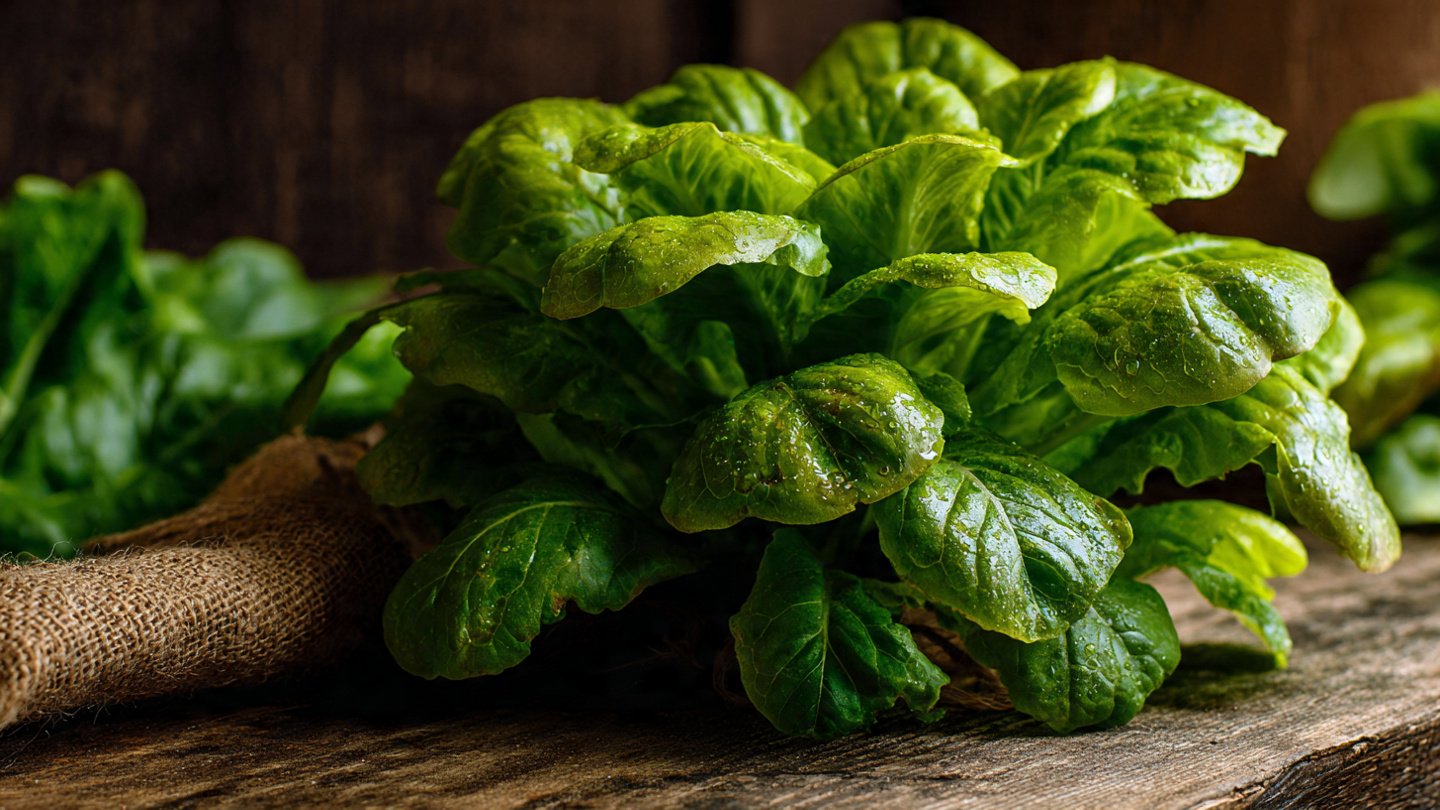
Growing your own quick-harvest greens at home is one of the smartest ways to enjoy fresh, nutritious food while saving time, space, and money. Whether you have a backyard, balcony, terrace, or just a sunny windowsill, fast-growing greens allow you to harvest healthy leaves within days or weeks instead of months. For busy households and beginner gardeners, these crops offer instant gratification and consistent results.
This comprehensive guide will walk you through the best ways to grow quick harvest greens successfully, from choosing the right plants to harvesting them at peak freshness.
Why Choose Quick Harvest Greens?
Quick-harvest greens are leafy vegetables that mature rapidly, often within 15–40 days. Unlike fruiting crops that require long growing seasons, these greens focus their energy on leaf production, making them ideal for short cycles and continuous harvesting.
Key benefits include:
- Fast results: Fresh harvests in as little as 2–3 weeks
- Space-efficient: Perfect for containers, grow bags, and vertical setups
- Beginner-friendly: Simple care with fewer problems
- High nutrition: Rich in vitamins, minerals, and fiber
- Continuous supply: Harvest multiple times from the same plant
Best Quick Harvest Greens to Grow at Home
Choosing the right greens is the foundation of success. Some varieties are naturally faster and more forgiving than others.
1. Spinach
Spinach is a classic quick-growing green that thrives in cool weather. Baby spinach leaves can be harvested within 20–25 days. Regular trimming encourages new growth, allowing repeated harvests.
2. Lettuce
Loose-leaf lettuce varieties are ideal for quick harvests. Instead of waiting for full heads, you can harvest outer leaves in just 25–30 days using the cut-and-come-again method.
3. Fenugreek (Methi)
Fenugreek is one of the fastest-growing greens, especially popular in home kitchens. It can be harvested in as little as 15–20 days and regrows well after cutting.
4. Mustard Greens
Mustard greens grow rapidly and add a spicy flavor to meals. Baby leaves are ready in about 20–25 days and thrive in containers.
5. Coriander (Cilantro)
Coriander leaves can be harvested within 25–30 days. Regular trimming prevents bolting and encourages bushier growth.
6. Amaranth Greens
Amaranth is a heat-tolerant green that grows quickly, making it perfect for warm climates. Leaves can be harvested in 25–30 days.
Choosing the Right Growing Method
Quick harvest greens are versatile and adapt well to different growing setups.
Container Gardening
Containers are perfect for small spaces. Use shallow pots or trays with good drainage. Containers allow better control over soil quality and moisture.
Raised Beds
If you have outdoor space, raised beds warm up faster and drain well, helping greens grow more quickly.
Grow Bags
Grow bags are lightweight, breathable, and ideal for balconies and terraces. They prevent waterlogging and promote healthy root growth.
Indoor Growing
With sufficient sunlight or grow lights, many greens can be grown indoors year-round, ensuring a continuous supply regardless of weather.
Preparing the Ideal Soil
Healthy soil is essential for fast growth. Quick harvest greens prefer loose, well-draining, and nutrient-rich soil.
An ideal mix includes:
- Garden soil or potting mix
- Compost or vermicompost for nutrients
- Coco peat or sand for aeration
Avoid heavy, compacted soil, as it slows root development and leaf growth.
Sowing Seeds the Right Way
Proper sowing ensures uniform growth and better yields.
- Moisten the soil before sowing
- Scatter seeds evenly or sow in shallow rows
- Cover lightly with soil (most greens need very little depth)
- Mist gently with water
Avoid overcrowding, as it leads to weak plants and disease issues.
Watering for Faster Growth
Consistent moisture is key to tender, fast-growing leaves.
- Water lightly but regularly
- Keep soil moist, not soggy
- Use a spray bottle for young seedlings
- Water early in the morning or evening
Irregular watering can cause bitterness and slow growth.
Sunlight and Temperature Requirements
Most quick harvest greens need 4–6 hours of sunlight daily. In hot climates, partial shade during peak afternoon heat prevents stress and bolting.
Ideal temperature range:
- Cool-season greens: 15–25°C
- Heat-tolerant greens: up to 35°C
Adjust placement based on the season to maintain steady growth.
Fertilizing for Quick Results
Because these greens grow fast, they benefit from light but regular feeding.
- Add compost before sowing
- Use diluted liquid compost or organic fertilizer every 10–15 days
- Avoid over-fertilizing, which can cause excessive leaf softness
Organic nutrition supports healthy, chemical-free harvests.
Harvesting Techniques for Continuous Yield
The way you harvest determines how long your plants keep producing.
Cut-and-Come-Again Method
Cut outer leaves first, leaving the center intact. This allows the plant to regrow multiple times.
Partial Harvesting
Never remove more than one-third of the plant at a time. This prevents stress and encourages faster regrowth.
Timely Harvest
Harvest greens young and tender. Delayed harvesting can lead to tough, bitter leaves.
Common Problems and Easy Solutions
- Yellow leaves: Often due to overwatering or nutrient deficiency
- Slow growth: Caused by poor light or compact soil
- Bolting: Triggered by heat stress—provide shade and harvest early
- Pests: Handpick insects and use neem-based sprays if needed
Regular observation helps you fix issues before they affect yield.
Creating a Continuous Harvest Plan
To enjoy greens every week, practice staggered sowing. Sow small batches every 7–10 days instead of planting everything at once. This ensures fresh harvests without gaps and avoids excess waste.
Final Thoughts
Growing quick harvest greens at home is one of the easiest and most rewarding gardening practices. With minimal space, simple care, and fast results, anyone can enjoy fresh, healthy greens straight from their garden. By selecting the right varieties, maintaining good soil and moisture, and using smart harvesting techniques, you can turn even the smallest space into a productive green oasis.
Whether you’re aiming to eat healthier, reduce grocery bills, or simply enjoy the satisfaction of homegrown food, quick harvest greens are the perfect place to start.