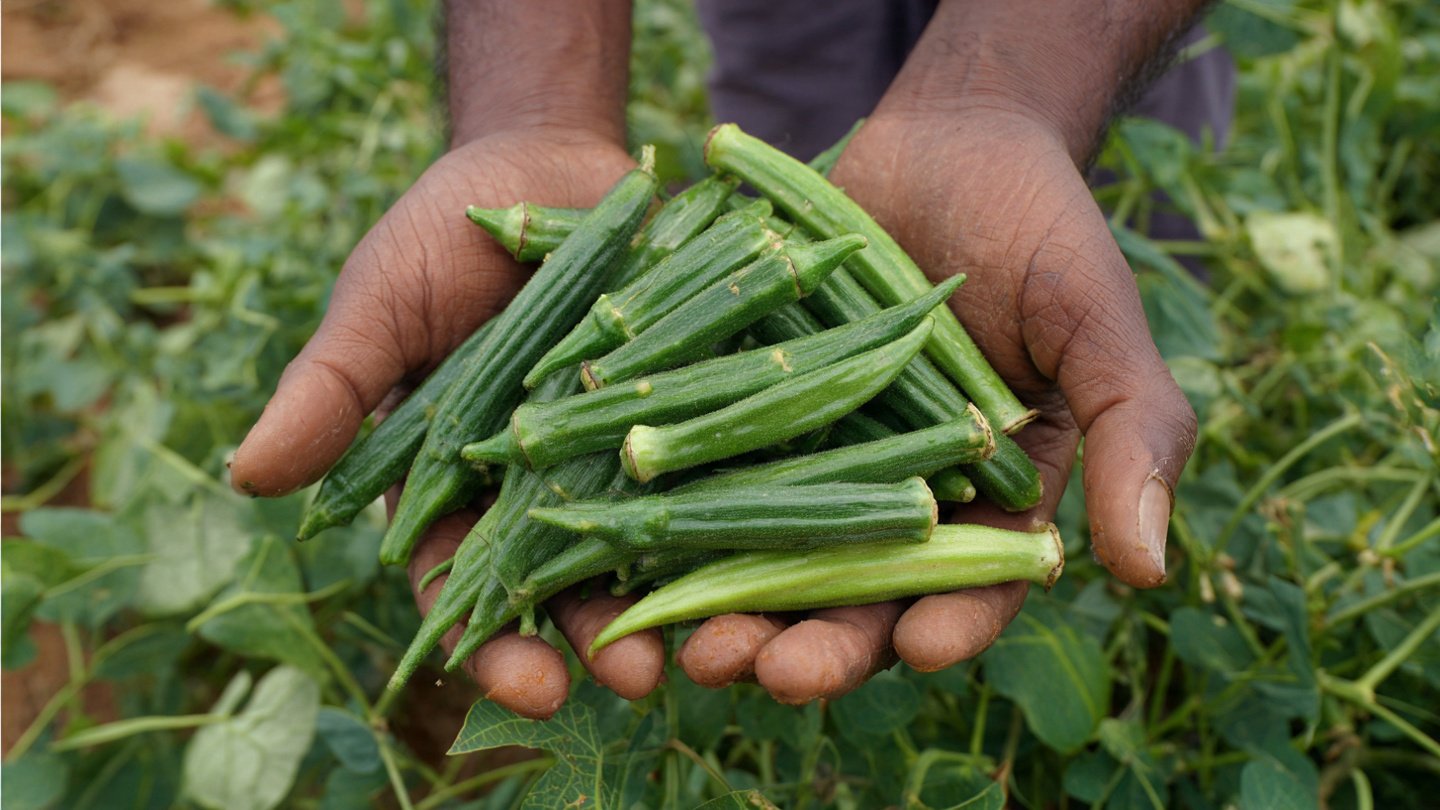
Bhindi, also known as okra or lady’s finger, is a favorite vegetable in many kitchens thanks to its taste, nutrition, and versatility. However, one common complaint among gardeners and home cooks is fibrous, hard bhindi that ruins the eating experience. The good news is that fiber-free, tender bhindi is absolutely achievable when you follow the right growing techniques. The secret lies not in expensive inputs, but in timing, care, and a few innovative yet simple practices.
In this detailed guide, you’ll discover practical methods to grow soft, smooth, and fiber-free bhindi consistently, whether you’re gardening in open soil, raised beds, or containers.
Why Bhindi Becomes Fibrous
Before learning the solution, it’s important to understand the problem. Bhindi becomes fibrous mainly due to:
- Late harvesting
- Excessive heat stress
- Irregular watering
- Nutrient imbalance
- Over-mature pods left on the plant
Fiber development is a natural process as the pod ages. The goal is to manage growth so pods are harvested at the perfect stage—young, tender, and juicy.
Choosing the Right Variety Is the First Step
While most bhindi varieties can produce tender pods, some are naturally better suited for fiber-free harvests. Look for varieties labeled as:
- Tender-podded
- Early-maturing
- Hybrid or improved selections
Early-maturing plants allow quicker harvests, reducing the risk of pods becoming tough.
Ideal Climate and Sunlight Conditions
Bhindi is a warm-season crop that thrives in temperatures between 25–35°C. However, extreme heat combined with water stress encourages fibrous growth.
Best practices:
- Grow bhindi during warm but stable weather
- Ensure full sunlight (6–8 hours daily)
- Provide light shade during extreme afternoon heat if necessary
Consistent growing conditions help maintain pod tenderness.
Soil Preparation: The Foundation of Fiber-Free Bhindi
Loose, fertile, and well-draining soil is critical.
Ideal soil mix:
- Garden soil with good structure
- Well-rotted compost or vermicompost
- A small amount of sand or cocopeat for aeration
Avoid compacted soil, as stressed roots lead to poor nutrient uptake and tougher pods.
Before sowing, enrich the soil with organic matter. This ensures steady growth rather than sudden spurts that contribute to fibrous texture.
Smart Seed Sowing Technique
Soak bhindi seeds in water for 8–12 hours before sowing. This softens the seed coat and improves germination.
Sowing tips:
- Sow seeds 1–2 cm deep
- Space plants 30–45 cm apart
- Water lightly after sowing
Strong, evenly growing plants are more likely to produce tender pods.
The Watering Secret: Consistency Is Key
One of the biggest secrets to growing fiber-free bhindi is regular and balanced watering.
- Water deeply but not too frequently
- Keep soil consistently moist, not dry or soggy
- Avoid cycles of drought followed by heavy watering
Water stress causes plants to harden their pods as a survival response, increasing fiber content.
Mulching with dry leaves or straw helps retain moisture and keeps soil temperature stable.
Balanced Nutrition for Tender Pods
Excess nitrogen results in lush leaves but poor-quality pods, while nutrient deficiency leads to stress and fiber.
Best feeding strategy:
- Add compost every 20–25 days
- Use a balanced organic fertilizer
- Include potassium-rich inputs to improve pod quality
Liquid compost tea or diluted vermiwash every 15 days supports steady growth and soft pod development.
Innovative Technique: Timely and Frequent Harvesting
This is the most important secret.
Bhindi pods should be harvested:
- When they are 7–10 cm long
- At 2–3 days old
- While they are still glossy and soft
Do not wait for pods to grow larger. Leaving mature pods on the plant signals it to slow down new flower and pod production, leading to more fibrous growth overall.
Frequent harvesting (every alternate day) keeps the plant productive and pods tender.
Pinching and Plant Management
Pinching the growing tip when the plant reaches 30–40 cm encourages branching. More branches mean:
- Better airflow
- More flowers
- Even distribution of nutrients
Healthy, well-managed plants produce better-quality pods with less fiber.
Pest and Disease Control Without Stress
Pests like aphids, whiteflies, and borers weaken plants, indirectly affecting pod quality.
Preventive measures:
- Spray neem oil every 7–10 days
- Maintain garden hygiene
- Avoid overcrowding
Healthy plants under minimal stress are far more likely to produce soft bhindi.
Growing Bhindi in Containers Without Fiber
Bhindi grows well in pots if managed correctly.
Container tips:
- Use pots at least 12–14 inches deep
- Ensure excellent drainage
- Water more frequently than ground-grown plants
Container-grown bhindi often produces exceptionally tender pods due to better control over soil and water.
Harvest Timing: Morning Makes a Difference
Harvest bhindi early in the morning when pods are fully hydrated. This simple timing trick:
- Preserves tenderness
- Improves shelf life
- Reduces fiber perception
Use clean scissors or gently snap pods off to avoid damaging the plant.
Final Thoughts
Growing fiber-free bhindi is not a mystery—it’s a matter of understanding plant behavior and responding with smart, consistent care. By focusing on soil health, balanced watering, proper nutrition, and most importantly, timely harvesting, you can enjoy soft, delicious bhindi throughout the season.
These innovative yet simple techniques work equally well for home gardeners, terrace gardens, and small farms. With a little attention and regular harvesting, your bhindi plants will reward you with tender, fiber-free pods that elevate every meal.