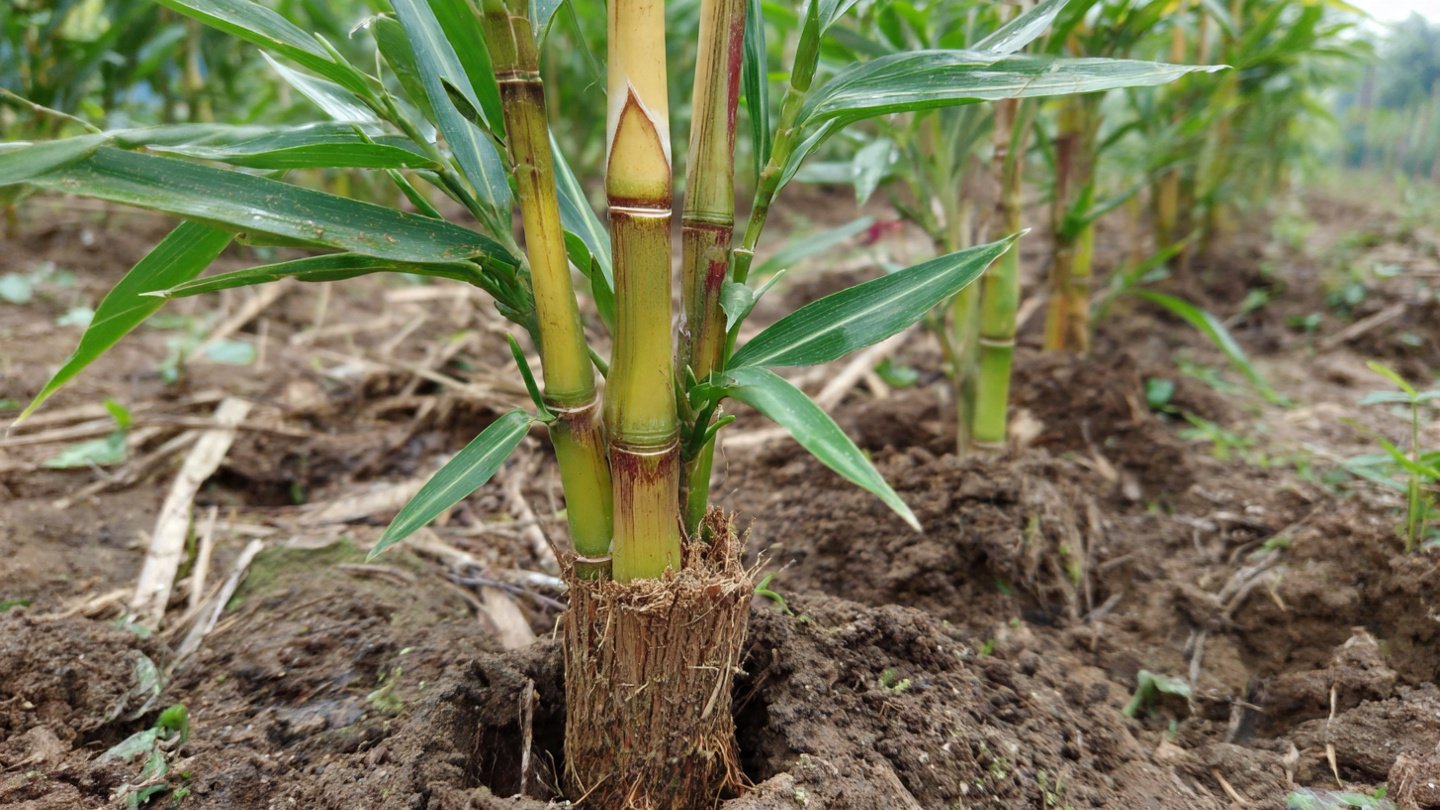
The drumstick tree (Moringa oleifera), popularly known as the drumstick tree, is a fast-growing, highly nutritious plant prized for its edible pods, leaves, and flowers. While it can be grown from seeds, propagating drumstick trees through cuttings is a faster way to obtain strong, productive plants. By rooting cuttings effectively, gardeners can establish a thriving drumstick grove in a fraction of the time it takes from seed.
This guide explains a simple, step-by-step method to root drumstick cuttings quickly and successfully, covering everything from selecting the right cutting to post-rooting care.
Why Propagate Drumstick Trees Through Cuttings
Drumstick trees can grow from seeds, but cuttings offer several advantages:
- Faster Establishment: Cuttings bypass the germination stage, producing mature plants more quickly.
- True-to-Type Growth: Seedlings may show variation, but cuttings produce plants identical to the parent tree.
- Ease of Multiplication: Multiple cuttings from a healthy tree can create several new plants in a short period.
- Ideal for Limited Space: Cuttings can be rooted in pots or nursery beds before transplantation.
With proper care, a rooted cutting can grow into a robust, productive tree in a relatively short time.
Selecting the Right Cutting
The success of rooting drumstick cuttings begins with selecting healthy material.
- Age of Stem: Choose semi-hardwood or mature stems that are 1–2 years old. Avoid very young, green shoots, as they are prone to wilting, and old, woody branches, which root slowly.
- Length and Thickness: Cuttings should be 1–1.5 feet long and about 1–2 inches thick for best results.
- Health: Ensure the cutting is disease-free, with no cracks, rot, or pest damage. Healthy cuttings produce stronger root systems and better survival rates.
Make a clean cut using a sharp, sterilized knife or pruning shears to reduce damage and prevent infections.
Preparing the Cuttings
Proper preparation increases rooting success and accelerates growth:
- Remove Leaves and Side Branches: Trim the lower leaves and small side branches, leaving only a few leaves at the top. This reduces moisture loss while maintaining photosynthesis.
- Make a Diagonal Cut at the Base: A diagonal cut increases the surface area for root formation.
- Optional Rooting Hormone: Dipping the base of the cutting in a rooting hormone can stimulate faster root development, though drumstick cuttings can root naturally with proper conditions.
- Drying Before Planting: Let the cut end dry for a few hours in a shaded area to prevent rot and fungal infection once planted.
Choosing the Right Medium
The choice of rooting medium is critical for fast and healthy root development:
- Soil Composition: Use a well-draining mix of garden soil, sand, and compost. A ratio of 2:1:1 provides aeration while retaining moisture.
- Container: Plant cuttings in pots, polybags, or nursery beds. Ensure drainage holes to prevent waterlogging, which can kill the cutting.
- Moisture: Slightly moisten the soil before planting to create a favorable environment for root initiation.
Avoid heavy clay soils, as they retain excess water and hinder root growth.
Planting the Cuttings
Planting correctly ensures stability and encourages quick rooting:
- Insert the cutting 8–12 inches deep into the soil, ensuring at least one node is buried.
- Firm the soil gently around the base to support the cutting upright.
- Water lightly to settle the soil. Overwatering at this stage can cause rotting.
- If multiple cuttings are planted, space them adequately to allow airflow and prevent disease spread.
Providing Optimal Conditions for Rooting
Drumstick cuttings require warmth, moisture, and partial protection to establish quickly:
- Light: Place the cuttings in bright, indirect sunlight. Direct harsh sun can cause excessive moisture loss, while too little light slows rooting.
- Humidity: Covering the cuttings with a clear plastic sheet or placing them in a mini-greenhouse helps retain moisture and warmth, promoting faster root formation. Make small holes for ventilation to prevent mold and fungal growth.
- Temperature: Maintain a warm environment (25–35°C) for optimal root initiation. Cooler temperatures slow the process considerably.
Watering and Care During Rooting
Consistent moisture is key to rooting success:
- Water lightly whenever the topsoil feels dry. Avoid waterlogging, which can cause rot.
- Do not let the cutting dry out completely, as this stresses the plant and delays root development.
- Check cuttings regularly for signs of fungal infection or wilting. Remove damaged parts immediately.
Root formation typically begins within 3–5 weeks under ideal conditions, although some cuttings may take longer depending on environmental factors.
Transplanting Rooted Cuttings
Once roots are well-established and new shoots appear at the top, the cutting is ready for transplanting:
- Carefully remove the cutting from the pot or nursery bed, keeping the roots intact.
- Prepare a larger planting site with well-draining soil enriched with compost or organic matter.
- Plant the cutting upright and firm the soil gently around the base.
- Water thoroughly and provide temporary shade for a few days to reduce transplant shock.
Long-Term Care for Thriving Drumstick Plants
After establishment, proper care ensures vigorous growth and productivity:
- Watering: Drumstick trees are drought-tolerant but benefit from regular watering, especially during flowering and pod development.
- Fertilization: Apply balanced organic fertilizer every 2–3 months to encourage strong foliage and abundant pods.
- Pruning: Remove dead or weak branches to maintain a healthy structure and promote air circulation.
- Pest and Disease Management: Monitor for common pests like aphids, caterpillars, or fungal infections. Organic pest control methods, neem oil, and good sanitation can prevent problems.
With care, drumstick trees grown from cuttings can begin producing pods within 6–8 months, offering a sustainable supply of nutritious food.
Advantages of Using This Simple Rooting Method
By following this method, gardeners can enjoy several benefits:
- Rapid Establishment: Cuttings root faster than seeds, allowing quicker growth and earlier harvests.
- Cost-Effective: One healthy tree can provide multiple cuttings for propagation, reducing the need to buy new plants.
- High Survival Rate: Proper selection, soil preparation, and care significantly increase the chances of success.
- Uniform Growth: Cuttings produce plants identical to the parent, ensuring consistent quality and productivity.
Conclusion
Rooting drumstick cuttings is a simple, effective, and highly rewarding method for growing this versatile tree. By selecting healthy cuttings, preparing them carefully, planting in well-draining soil, and providing consistent moisture and warmth, gardeners can establish thriving drumstick plants in a relatively short time.
With minimal effort and attention to care, these cuttings develop into robust, productive trees that provide nutritious leaves, pods, and flowers. Using this method, home gardeners can enjoy a sustainable, abundant supply of drumsticks while adding a fast-growing, attractive tree to their garden.