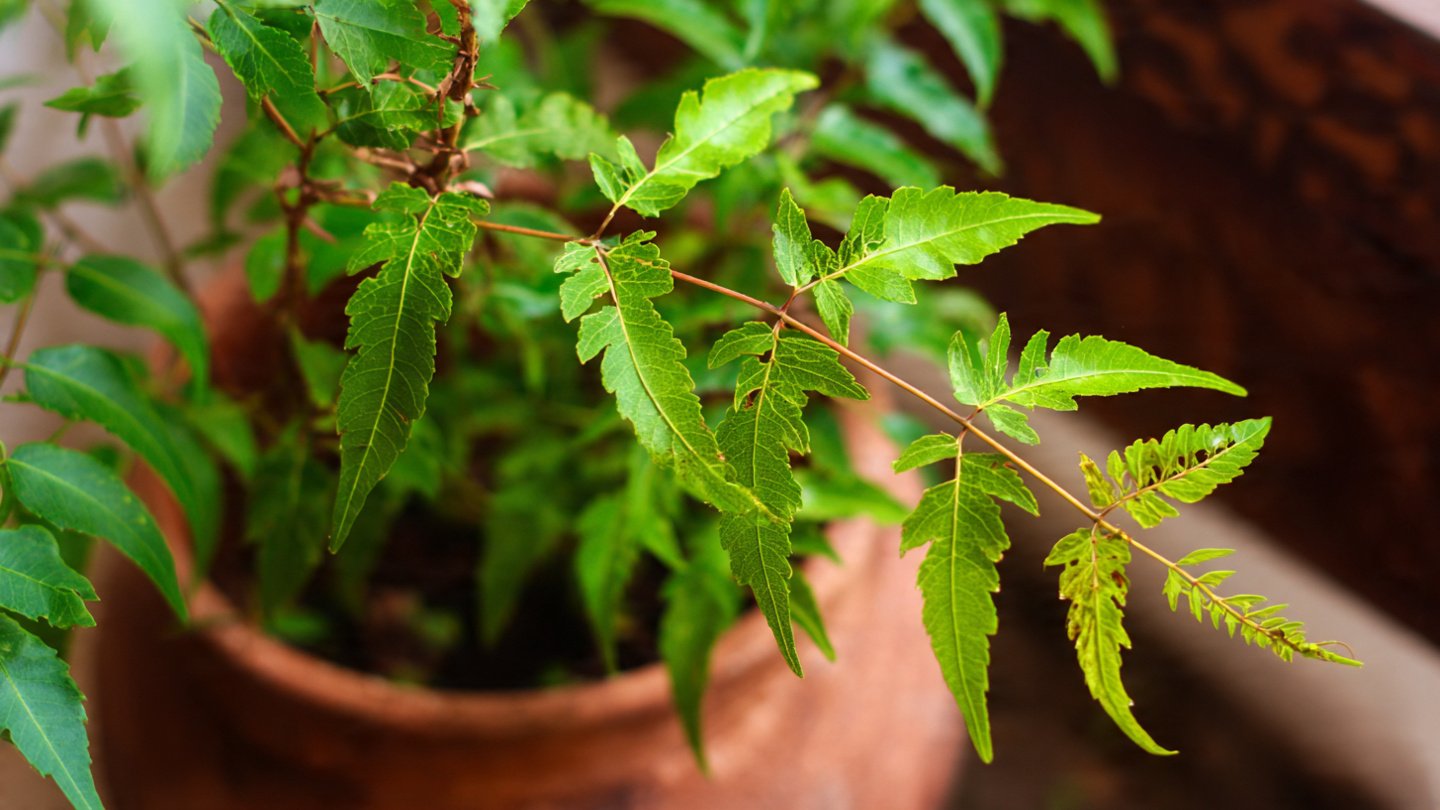
Neem (Azadirachta indica) is a remarkable plant celebrated for its medicinal properties, pest-repelling abilities, and environmental benefits. Traditionally grown outdoors in tropical regions, neem can also thrive in a container at home with proper care and attention. Container cultivation allows gardeners to enjoy the plant’s benefits even in small spaces such as balconies, patios, or indoor areas with adequate sunlight.
This comprehensive guide covers everything you need to know to successfully cultivate a resilient neem plant in a container at home, from selecting the right pot to watering, fertilizing, and long-term maintenance.
Why Grow Neem in a Container?
Growing neem in a container offers several advantages:
- Space efficiency: Ideal for small gardens, balconies, and terraces.
- Mobility: Containers can be moved to optimal sunlight or sheltered during extreme weather.
- Soil control: You can provide well-draining, nutrient-rich soil, minimizing disease risks.
- Pest resistance: Neem is naturally pest-repellent, making it a low-maintenance addition to any home garden.
Container cultivation provides flexibility, allowing gardeners to enjoy the plant’s health benefits while controlling its growth environment.
Choosing the Right Container
Container selection is critical for healthy neem growth.
Container guidelines:
- Size: Start with a 12–16 inch diameter pot for young plants, upgrading as the tree grows.
- Material: Terracotta, ceramic, or sturdy plastic pots work well; terracotta helps with aeration.
- Drainage: Ensure multiple drainage holes to prevent waterlogging, which can lead to root rot.
Neem trees have a deep taproot, so taller pots are preferable for long-term growth. Adequate space ensures strong roots and a resilient plant.
Preparing the Soil Mix
Neem thrives in well-draining, slightly acidic to neutral soil. Container soil should mimic its natural environment for optimal growth.
Recommended soil mix:
- 40% garden soil or topsoil
- 30% compost or well-rotted manure
- 20% sand or perlite for drainage
- 10% organic fertilizer or neem cake for nutrients
Mix the components thoroughly before planting. Good drainage prevents waterlogging, while compost and organic matter provide essential nutrients.
Selecting and Preparing Neem Seeds or Saplings
You can start neem in a container from seeds or young saplings.
For seeds:
- Use fresh seeds for better germination.
- Soak seeds in warm water for 24 hours to soften the hard coat.
- Plant seeds 1–2 cm deep in the prepared soil.
For saplings:
- Choose a healthy young tree with firm roots.
- Avoid saplings with yellowing leaves or damaged stems.
- Transplant gently into the container, ensuring the root ball is covered with soil without compacting it.
Fresh seeds or healthy saplings increase the chances of successful cultivation and long-term growth.
Planting Your Neem Plant in a Container
Proper planting techniques ensure your neem plant establishes quickly and grows vigorously.
Planting steps:
- Fill the bottom of the pot with 2–3 inches of coarse material such as gravel or broken pottery for drainage.
- Add the prepared soil mix on top.
- Place the seed or sapling in the center.
- Cover roots or seeds with soil and lightly firm.
- Water thoroughly to settle the soil.
Position the container in a sunny location to provide adequate light for germination and early growth.
Light and Temperature Requirements
Neem is a tropical tree and thrives in warm, sunny environments.
- Sunlight: Requires at least 6–8 hours of direct sunlight daily.
- Temperature: Ideal temperature ranges from 25–35°C (77–95°F).
- Winter care: In colder climates, move the container indoors or protect the plant from frost, as neem is sensitive to freezing temperatures.
Adequate sunlight and warmth are crucial for strong, healthy growth.
Watering Guidelines
Proper watering is essential for neem plants, especially in containers where soil dries faster.
- Water seedlings regularly to keep the soil moist but not soggy.
- For established plants, allow the top 2 inches of soil to dry between watering sessions.
- Avoid overwatering, which can lead to root rot.
- Reduce watering during cooler months when growth slows down.
Maintaining a balance between moisture and aeration ensures resilient root development.
Fertilizing for Container-Grown Neem
Container-grown neem plants benefit from periodic feeding to compensate for limited soil nutrients.
- Use a balanced organic fertilizer every 6–8 weeks during the growing season.
- Apply neem cake or compost around the base to provide slow-release nutrients.
- Avoid excessive nitrogen, which may lead to lush foliage but weak stems.
- Flush the soil occasionally with plain water to prevent salt buildup.
Proper nutrition supports strong roots, healthy leaves, and overall resilience.
Pruning and Shaping
Pruning helps maintain a manageable size for container-grown neem plants and encourages healthy growth.
- Remove dead, damaged, or diseased branches regularly.
- Trim overly long branches to maintain shape and prevent crowding.
- Light pruning in early spring encourages bushier growth.
- Avoid heavy pruning in winter, as it may stress the plant.
Well-maintained neem plants in containers are healthier and more visually appealing.
Pests and Disease Management
Neem is naturally resistant to most pests due to its inherent pesticidal compounds, but container plants may still face challenges.
Common issues:
- Aphids, mealybugs, or spider mites
- Fungal infections from overwatering
- Leaf yellowing due to nutrient deficiency
Prevention and treatment:
- Inspect plants regularly and remove affected leaves.
- Spray organic solutions such as neem oil for pest control.
- Ensure proper watering and good air circulation.
- Maintain clean soil and pots to reduce fungal risk.
Early intervention keeps the plant healthy and resilient.
Transplanting to Larger Containers
As the neem plant grows, it will require a larger container to accommodate its expanding root system.
- Gradually increase pot size every 1–2 years.
- Use fresh, well-draining soil for each transplant.
- Avoid disturbing roots excessively to reduce transplant shock.
- Water thoroughly after transplanting to help the plant adjust.
Proper container management allows the neem plant to thrive over many years.
Seasonal Care for Container-Grown Neem
Container neem plants benefit from seasonal adjustments:
- Spring and summer: Increase watering and feeding to support active growth.
- Autumn: Reduce water slightly and prepare for cooler temperatures.
- Winter: Protect from frost, maintain moderate watering, and keep indoors if necessary.
- Ongoing care: Remove fallen leaves and maintain clean soil to prevent pests.
Seasonal care ensures consistent growth and long-term plant resilience.
Benefits of Growing Neem at Home
Growing a neem plant in a container provides multiple benefits:
- Medicinal uses: Leaves, bark, and seeds are traditionally used for health remedies.
- Natural pesticide: Protects nearby plants from pests without chemicals.
- Air purification: Neem contributes to cleaner indoor air.
- Ornamental value: Adds greenery and a tropical touch to home spaces.
Container cultivation makes these benefits accessible even in limited spaces.
Final Thoughts
Cultivating a neem plant in a container at home is practical, rewarding, and beneficial for both indoor and outdoor spaces. By selecting a healthy seed or sapling, preparing a suitable potting mix, providing adequate sunlight and water, and following proper fertilization and pruning routines, you can grow a resilient neem plant that thrives for years.
Container-grown neem plants not only enhance your home with greenery but also offer natural health and environmental benefits. With patience, consistency, and attention to detail, anyone can successfully cultivate a robust neem plant in their backyard, balcony, or indoor garden.