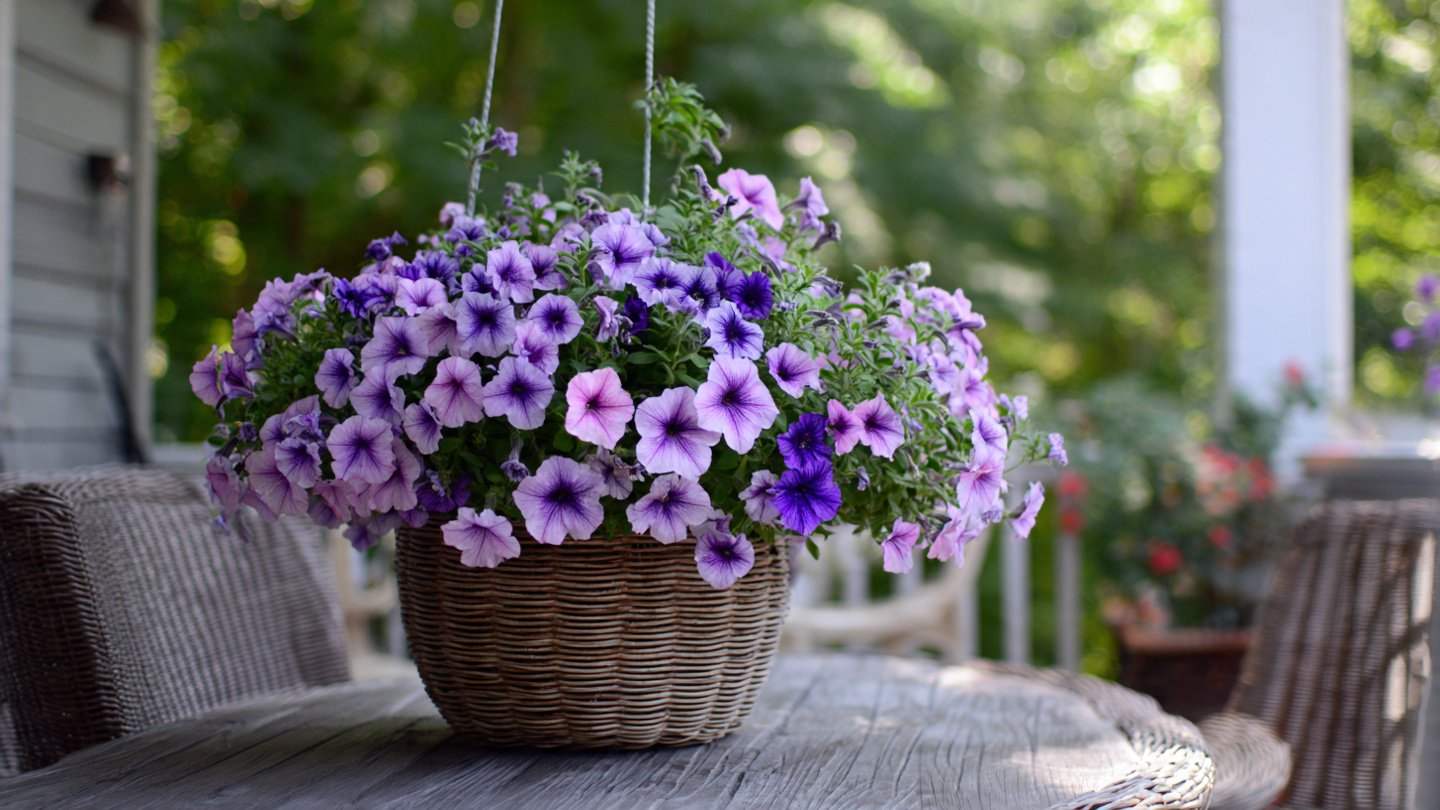
Petunias are one of the most popular and vibrant flowering plants in gardens, balconies, and hanging baskets. Their colorful blooms and long flowering period make them a favorite among gardeners. However, like many flowering plants, petunias are sensitive to extreme heat, which can cause wilting, flower drop, and even plant stress.
Understanding how to protect your petunias during the hottest days of summer is key to keeping them thriving and blooming beautifully. This guide provides simple, effective strategies to help you care for your petunias and maintain their vibrant charm, even under intense sunlight.
Why Petunias Struggle in Heat
Petunias naturally prefer cooler temperatures and moderate sun exposure. Extreme heat, especially above 85°F (29°C), can cause several issues:
- Wilting – Petunias lose water faster than they can absorb it, leading to drooping leaves and flowers.
- Flower drop – High temperatures can stress the plant, causing blooms to fall prematurely.
- Leaf burn – Intense sunlight may scorch delicate leaves.
- Reduced flowering – Prolonged heat can slow down blooming and reduce overall flower production.
By understanding these challenges, gardeners can take preventive action before their plants are stressed.
1. Choose the Right Variety
Some petunia varieties are more heat-tolerant than others. When planting, consider:
- Heat-tolerant hybrids – Look for varieties labeled as “wave,” “supertunia,” or “heat-hardy.”
- Trailing petunias – These often withstand heat better in hanging baskets or containers.
- Smaller-leaved varieties – Smaller leaves lose water more slowly and are less prone to wilting.
Selecting the right variety from the start reduces the risk of heat damage and ensures more resilient growth.
2. Provide Adequate Watering
Proper watering is essential for keeping petunias cool. During hot days:
- Water deeply in the morning, allowing the soil to soak thoroughly. This helps roots access moisture throughout the day.
- Avoid overhead watering at peak sun hours – Watering in midday can cause water droplets to magnify sunlight and burn leaves.
- Check soil moisture – Petunias prefer soil that is consistently moist but not soggy. Container plants dry out faster, so they may need watering more than once a day during heatwaves.
- Use mulch – Applying a thin layer of organic mulch around the base of your petunias helps retain moisture and reduces evaporation.
3. Provide Partial Shade During Peak Heat
While petunias thrive in sunlight, extreme heat can harm them. Consider:
- Temporary shade – Use shade cloths, garden umbrellas, or even lightweight fabric to shield plants during the hottest part of the day.
- Positioning containers wisely – Move hanging baskets or pots to a location with morning sun and afternoon shade.
- Plant companions strategically – Taller plants can naturally provide shade to petunias in flower beds.
By reducing direct exposure during peak hours, you can prevent wilting and leaf burn.
4. Fertilize Properly
Heat-stressed petunias benefit from balanced feeding. Over-fertilizing during hot weather can harm plants. Tips include:
- Use water-soluble fertilizers every 2–3 weeks to provide nutrients without overwhelming the plant.
- Avoid high-nitrogen fertilizers during heat waves, as they encourage leafy growth at the expense of flowers.
- A phosphorus-rich fertilizer supports bloom production even under heat stress.
Proper feeding helps petunias maintain energy for flowering and recovery from stress.
5. Deadhead Spent Blooms
Removing wilted or dead flowers, known as deadheading, encourages new blooms and reduces stress on the plant:
- Pinch off spent flowers regularly to redirect energy toward healthy growth.
- Deadheading prevents the plant from producing seeds, which can drain resources.
- It also improves airflow around leaves, reducing the risk of fungal issues in warm, humid conditions.
This simple habit keeps petunias looking fresh and vibrant throughout summer.
6. Use Containers to Your Advantage
Container-grown petunias offer flexibility during heat:
- Moveable pots – Relocate plants to shaded areas during extreme heat.
- Insulated containers – Thick pots or those with reflective surfaces can reduce soil heating.
- Self-watering pots – These help maintain consistent moisture even during hot afternoons.
For gardeners in regions with scorching summers, container petunias provide a practical way to control exposure and soil conditions.
7. Prune Lightly for Airflow
Light pruning during heat waves improves airflow and reduces stress:
- Remove leggy growth to prevent shading lower leaves.
- Trim back overgrown stems slightly to allow air circulation around flowers.
- Avoid heavy pruning, as this can shock the plant during high temperatures.
Better airflow helps leaves stay cooler and reduces the risk of heat-related diseases.
8. Monitor for Pests and Diseases
Heat-stressed petunias are more vulnerable to pests such as aphids, spider mites, and whiteflies. Warm, dry conditions can also encourage fungal diseases if combined with high humidity.
- Check plants daily for signs of pests or disease.
- Spray with water or horticultural soap if insects appear.
- Remove infected leaves to prevent spread.
- Ensure good spacing between plants for air circulation.
Healthy, well-monitored plants recover from heat stress more quickly.
9. Maintain Consistent Care During Heat Waves
Consistency is key when caring for petunias in hot weather:
- Water regularly but avoid overwatering.
- Keep soil evenly moist and apply mulch to reduce evaporation.
- Monitor fertilizer application to avoid excess salts, which can stress roots.
- Provide temporary shade as needed.
Even small lapses in care during extreme heat can cause lasting damage to flowers and foliage.
10. Plan for Long-Term Summer Success
- Start with strong, healthy plants from the nursery rather than weak seedlings.
- Select heat-tolerant varieties and plant in well-prepared soil.
- Use containers for mobility or position garden beds with afternoon shade.
- Implement a consistent watering and feeding schedule.
By planning ahead, petunias can continue blooming even in challenging summer conditions.
Final Thoughts
Petunias are resilient, colorful, and rewarding plants, but they require thoughtful care during the hottest days of summer. By providing adequate water, shade, and nutrients, and by practicing regular maintenance such as deadheading and light pruning, gardeners can keep their petunias cool, healthy, and vibrant throughout the season.
With a few simple strategies, your petunias will continue to brighten your garden, balcony, or patio, even when temperatures soar. Keeping these plants stress-free ensures that they remain one of the standout highlights of your summer garden.