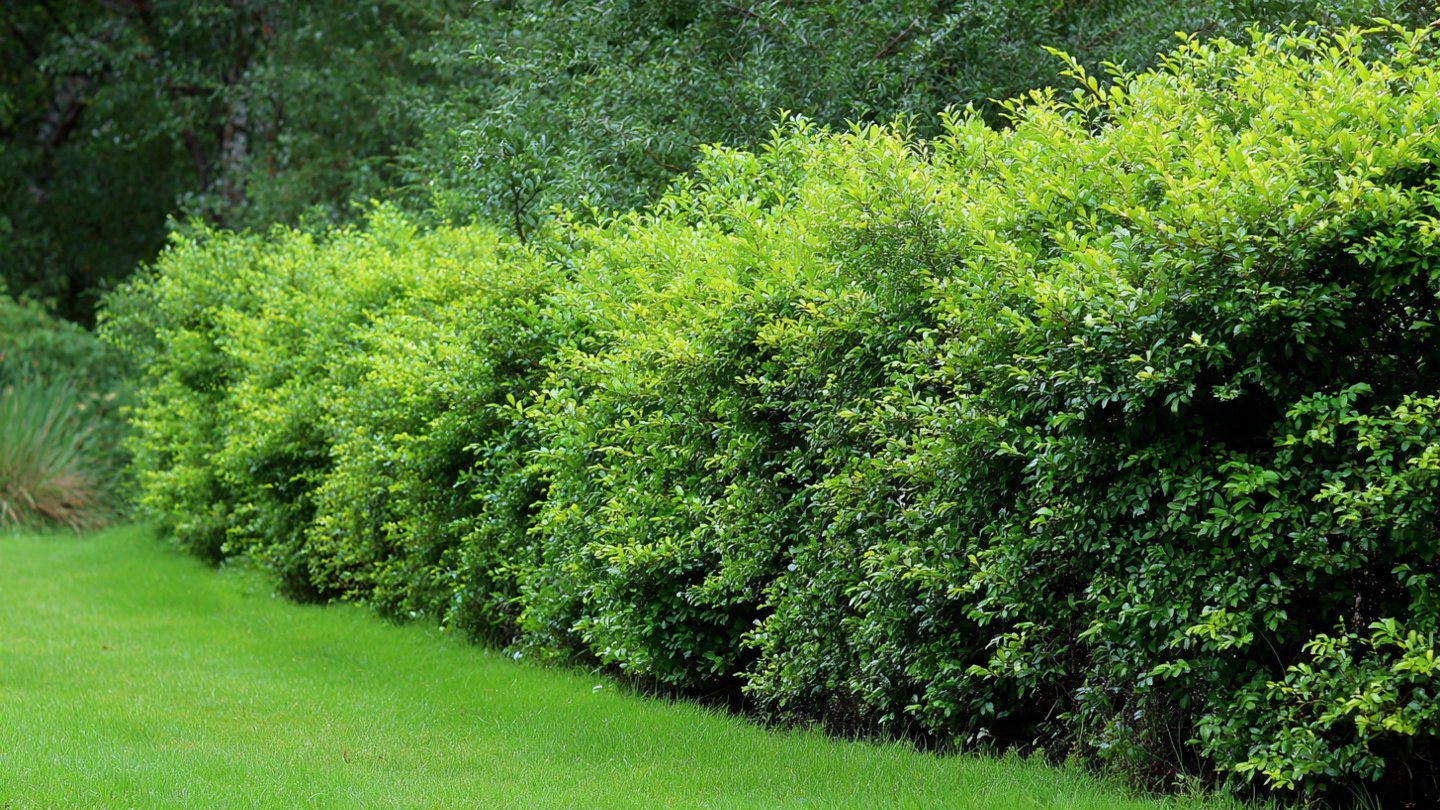
Creating privacy in your garden doesn’t always require expensive walls or fences. One of the most effective and visually appealing solutions is using privet shrubs as a living fence. Privet hedges provide a dense, green barrier that not only ensures privacy but also adds structure, beauty, and wildlife habitat to your outdoor space. Hardy, fast-growing, and relatively low-maintenance, privet is a favorite choice for homeowners seeking both functionality and aesthetic appeal.
This guide offers a step-by-step approach to growing privet as a living fence, covering everything from selecting the right variety to planting, shaping, and maintaining a hedge that delivers maximum privacy and long-lasting beauty.
Why Choose Privet for a Living Fence?
Privet is widely favored for several key reasons:
- Fast growth: Many privet varieties grow quickly, forming a thick barrier in just a few years.
- Dense foliage: Leaves create a natural screen that blocks views and reduces noise.
- Versatility: Can be pruned into formal hedges, informal screens, or shaped for decorative appeal.
- Hardiness: Tolerates a variety of soil types, light conditions, and even some drought.
- Wildlife-friendly: Provides shelter for birds and beneficial insects.
Whether you want a formal garden hedge or a natural privacy screen, privet can adapt to your landscape design.
Selecting the Right Privet Variety
Choosing the right privet variety is essential for your living fence to thrive. Common options include:
- Common Privet (Ligustrum vulgare):
- Hardy in a wide range of climates
- Dense foliage for full privacy
- Tolerates heavy pruning
- Japanese Privet (Ligustrum japonicum):
- Glossy, dark green leaves
- Slower growth but more ornamental
- Performs well in partial shade
- California Privet (Ligustrum ovalifolium):
- Vigorous growth
- Excellent for formal hedges
- Produces fragrant white flowers in spring
Consider growth rate, climate suitability, and desired hedge style when selecting a variety.
Choosing the Right Location
Privet hedges require careful site selection for optimal growth:
- Sunlight: Most privets prefer full sun to partial shade (at least 4–6 hours of sun daily).
- Soil: Adaptable to sandy, loamy, or clay soils, but good drainage prevents root rot.
- Spacing: Ensure enough room for hedge length and width—privet can grow densely if spaced properly.
- Accessibility: Choose an area that is easy to prune and maintain.
Proper placement ensures a healthy, thick, and attractive hedge.
Preparing the Soil
Healthy soil is crucial for fast-growing and robust privet hedges:
- Clear the area: Remove grass, weeds, or debris from the planting site.
- Loosen soil: Dig 12–18 inches deep and add organic matter such as compost.
- Check drainage: Amend clay soils with sand or compost to improve water drainage.
- Adjust pH if necessary: Privet tolerates slightly acidic to neutral soils (pH 6.0–7.5).
Well-prepared soil encourages strong root development and lush foliage.
Planting Your Privet Hedge
Follow these steps to establish your living fence:
- Determine spacing: For dense hedges, plant 12–18 inches apart; for taller formal hedges, 18–24 inches works well.
- Dig planting holes: Slightly larger than the root ball to accommodate healthy growth.
- Position plants: Ensure roots are spread evenly, and the top of the root ball is level with the ground.
- Fill with soil: Firm gently around the base to remove air pockets.
- Water thoroughly: Encourage strong establishment and prevent transplant shock.
Mulching with bark or straw retains moisture and suppresses weeds around young plants.
Watering and Fertilization
Newly planted privet requires consistent care for the first year:
- Watering: Keep soil moist but not soggy; water deeply once or twice per week depending on rainfall.
- Fertilization: Use a balanced slow-release fertilizer in spring and mid-summer to promote dense growth.
- Mulch: Maintain a 2–3 inch layer of mulch to retain moisture and prevent temperature fluctuations.
Once established, privet is moderately drought-tolerant and requires less frequent watering.
Pruning and Shaping for Maximum Privacy
Pruning is essential for a thick, attractive privet hedge:
- First year: Light pruning encourages branching and denser growth.
- Height control: Cut the top and sides to maintain desired height and shape.
- Formal hedges: Trim sides slightly narrower at the top to allow sunlight to reach lower branches.
- Maintenance pruning: Conduct light trimming two to three times per year during the growing season.
Consistent pruning ensures your hedge remains dense and provides full privacy.
Pests and Disease Management
Privet is generally hardy but can occasionally face pest or disease problems:
- Common pests: Aphids, spider mites, and scale insects. Treat with insecticidal soap or neem oil.
- Diseases: Leaf spot, powdery mildew, and root rot. Prevent by ensuring proper spacing, pruning for airflow, and avoiding overwatering.
- Preventive care: Healthy, well-nourished plants resist most pests and diseases naturally.
Early detection and routine monitoring keep your hedge in top condition.
Maximizing Privacy and Aesthetic Appeal
To create an effective and beautiful privet fence:
- Dense planting: Closer spacing ensures a full screen in less time.
- Layering: Combine privet with other shrubs or flowering plants for a varied, lush appearance.
- Color and texture: Different varieties provide subtle color changes, glossy leaves, and seasonal flowers.
- Height: Adjust pruning to create short, medium, or tall hedges based on your privacy needs.
By combining practical spacing with thoughtful design, you can achieve maximum privacy without sacrificing beauty.
Long-Term Care and Maintenance
Once established, privet hedges are relatively low-maintenance:
- Annual fertilization: Supports continued growth and dense foliage.
- Pruning schedule: Maintain shape, encourage new shoots, and prevent overgrowth.
- Monitor water: Reduce watering frequency once roots are established, but provide supplemental water during dry periods.
- Check for pests: Regular inspections prevent infestations from spreading.
Proper long-term care ensures your hedge remains vibrant and functional for decades.
Environmental Benefits of Privet Hedges
In addition to privacy and beauty, privet offers environmental advantages:
- Air purification: Leaves absorb pollutants and dust.
- Wildlife habitat: Birds and beneficial insects find shelter within dense foliage.
- Noise reduction: Thick hedges act as sound barriers from traffic or neighbors.
- Windbreak: Protects other plants and reduces soil erosion in gardens.
A privet hedge provides both aesthetic and ecological value to your outdoor space.
Final Thoughts
Growing a privet hedge as a living fence is an excellent investment for privacy, beauty, and long-term garden enhancement. With the right variety, proper planting techniques, and consistent care, you can create a dense, attractive barrier that provides shade, shelter, and a visually appealing structure.
From preparing the soil and planting to pruning and long-term maintenance, following these simple steps ensures your hedge thrives while achieving maximum privacy and aesthetic appeal. Not only will your garden feel more secluded and peaceful, but it will also become a vibrant, living feature that enhances the overall landscape for years to come.
A privet living fence isn’t just functional—it’s a statement of natural elegance, blending utility with beauty to create a private oasis in any yard.