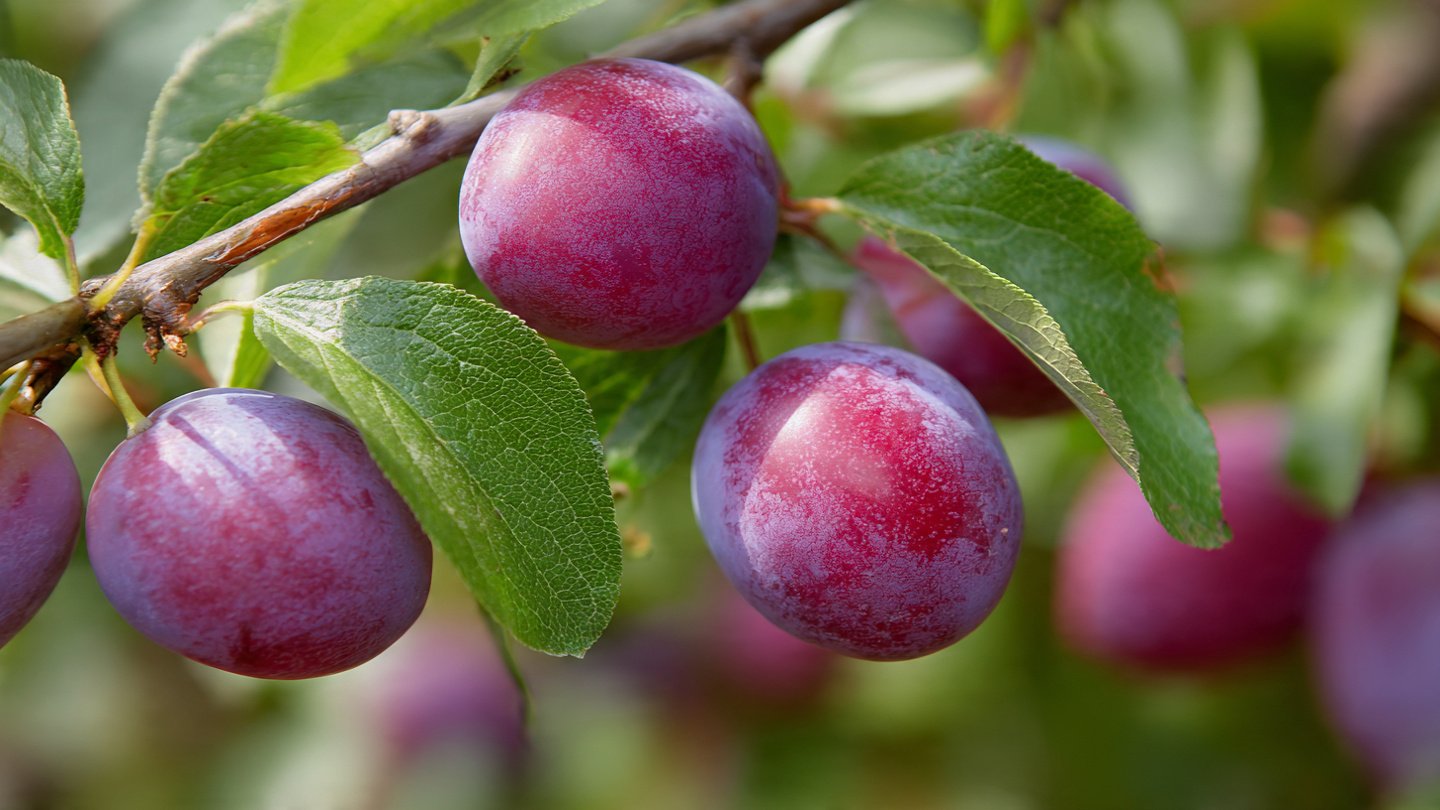
Growing plum trees in regions with short summer seasons can be challenging, but it is far from impossible. Plums are a versatile and delicious fruit, and with careful planning, proper techniques, and diligent care, you can cultivate healthy trees that produce sweet, juicy fruit even when the growing season is limited. Understanding how to maximize growth during the available warm months is essential for success.
This comprehensive guide will walk you through the best techniques for growing plum trees in areas with short summers, covering everything from selecting the right varieties to planting, care, and harvesting.
Understanding the Challenges of Short Summer Seasons
Regions with short summers often face a compressed growing period, cooler temperatures, and early frosts, all of which can impact fruit development. Plum trees require sufficient warmth, sunlight, and a frost-free window to flower, set fruit, and allow the fruit to mature. Without careful planning, trees may struggle to produce quality fruit, and growth may be stunted.
Key challenges include:
- Limited time for flowering and fruit maturation
- Risk of frost damaging blossoms or immature fruit
- Slower growth and delayed harvest
Addressing these challenges requires selecting the right varieties, providing optimal conditions, and using techniques that accelerate growth and fruiting.
Choosing the Right Plum Varieties
Variety selection is crucial in short-summer regions. Look for early-maturing, cold-hardy plum varieties that can flower and set fruit quickly. Consider the following:
- Early-maturing varieties: These can produce fruit within a short growing period. Examples include Mount Royal, Opal, and Early Golden.
- Cold-hardy varieties: Resistant to frost, they withstand cooler nights.
- Self-pollinating varieties: If space is limited, self-pollinating types ensure fruit set without the need for another tree.
Selecting varieties suited for short-season climates improves the chances of a successful harvest.
Site Selection and Planting
The right location for your plum tree is critical for maximizing the short growing season:
- Sunlight: Choose a site that receives at least 6–8 hours of direct sunlight per day to encourage flowering and fruit development.
- Soil: Well-draining, fertile soil with a slightly acidic to neutral pH (6.0–7.0) is ideal. Poor drainage can cause root rot.
- Protection from wind: Cold winds can damage blossoms. Plant trees near windbreaks or sheltered areas if possible.
Planting Tips:
- Plant in spring after the last frost or early in the growing season.
- Space trees at least 12–15 feet apart for standard varieties and 8–10 feet for dwarf varieties.
- Dig a hole slightly larger than the root ball and fill it with a mixture of garden soil and compost.
- Ensure the graft union (if present) sits a few inches above soil level to prevent rot.
Soil Preparation and Fertilization
Healthy soil is vital for rapid growth in short summers:
- Soil enrichment: Incorporate compost or well-rotted manure to provide nutrients.
- Balanced fertilization: Use a fertilizer high in phosphorus and potassium to promote root and flower development. Nitrogen should be applied moderately to encourage balanced growth without excessive leafy growth.
- pH adjustment: Test soil and amend if necessary to maintain optimal pH for nutrient uptake.
Maximizing Sunlight Exposure
Since short summer seasons limit available sunlight, maximizing exposure is critical:
- Prune surrounding trees or vegetation that may cast shade.
- For backyard growers, plant trees on the south-facing side of the property to receive maximum sunlight.
- Consider reflective surfaces like light-colored walls or mulch to increase light exposure.
Pruning and Training for Fast Growth
Pruning helps optimize sunlight exposure, air circulation, and energy distribution in the tree:
- Early pruning: Remove dead, diseased, or crossing branches in late winter or early spring.
- Shaping the tree: Train young trees into an open-center or modified central leader shape for optimal sunlight penetration.
- Summer pruning: Lightly prune during the growing season to remove excessive growth and focus energy on fruiting branches.
Proper pruning encourages faster maturation of buds and improves overall fruit quality.
Watering Techniques
Adequate water is essential, especially during short summers:
- Water deeply once or twice a week, depending on rainfall and soil type.
- Avoid overwatering, which can reduce fruit flavor and promote fungal disease.
- Use mulch around the base of the tree to retain soil moisture and regulate soil temperature.
Fertilization During Growth
To support fast growth and fruiting during limited warm months:
- Apply a balanced fertilizer every 4–6 weeks.
- Use a high-phosphorus fertilizer at bloom time to encourage strong flowers and fruit set.
- Supplement with potassium during fruit development to enhance fruit size and sweetness.
Protecting Blossoms and Fruit
Late spring or early autumn frosts can damage flowers or young fruit. Protection strategies include:
- Frost cloths or row covers: Shield trees during cold nights.
- Mulching: Helps maintain warmer soil temperatures.
- Windbreaks: Reduce cold wind exposure that can damage blossoms.
Pest and Disease Management
Plum trees are susceptible to pests and fungal diseases that can reduce yield:
- Common pests: Aphids, plum curculio, and scale insects. Regular inspection and natural predators or neem oil can control infestations.
- Fungal diseases: Brown rot and leaf curl. Ensure good air circulation, proper pruning, and avoid overhead watering to reduce risk.
Monitoring trees regularly allows early intervention and prevents loss of fruit during short summers.
Harvesting Tips
Harvesting in a short season requires careful timing:
- Plums are ready when they are fully colored and slightly soft to the touch.
- Pick fruit every few days to prevent over-ripening and encourage continuous production.
- Early-maturing varieties may produce fruit in as little as 2–3 months after flowering, making them ideal for short summers.
Advanced Techniques to Extend the Growing Season
Canadian gardeners or those in other short-season regions can implement techniques to maximize fruit production:
- Container growing: Allows moving trees to sheltered areas or greenhouses during early spring or late fall.
- Greenhouse or high tunnel cultivation: Extends growing period and protects against frost.
- Succession planting of dwarf varieties: Planting multiple early-maturing trees ensures staggered harvests.
- Use of reflective mulches: Enhances light exposure and accelerates fruit ripening.
Common Mistakes to Avoid
- Planting late in the season, reducing fruiting time
- Selecting varieties unsuitable for short summers
- Over-fertilizing with nitrogen, leading to excessive vegetative growth
- Neglecting frost protection for blossoms
- Poor pruning, reducing sunlight penetration and fruit development
Avoiding these mistakes improves the chances of a successful harvest in limited growing periods.
Final Thoughts
Growing plum trees in regions with short summer seasons is a rewarding challenge. By selecting early-maturing, cold-hardy varieties, providing optimal sunlight, water, and nutrition, and using proper pruning and frost-protection techniques, gardeners can enjoy a successful harvest even within a limited growing window.
Patience and consistent care are key. With these techniques, you can transform the short summer months into a productive season for plum trees, yielding sweet, juicy fruits that make all the effort worthwhile. Even in climates with short summers, following these strategies ensures your plum trees thrive, producing abundant, high-quality fruit for your table.