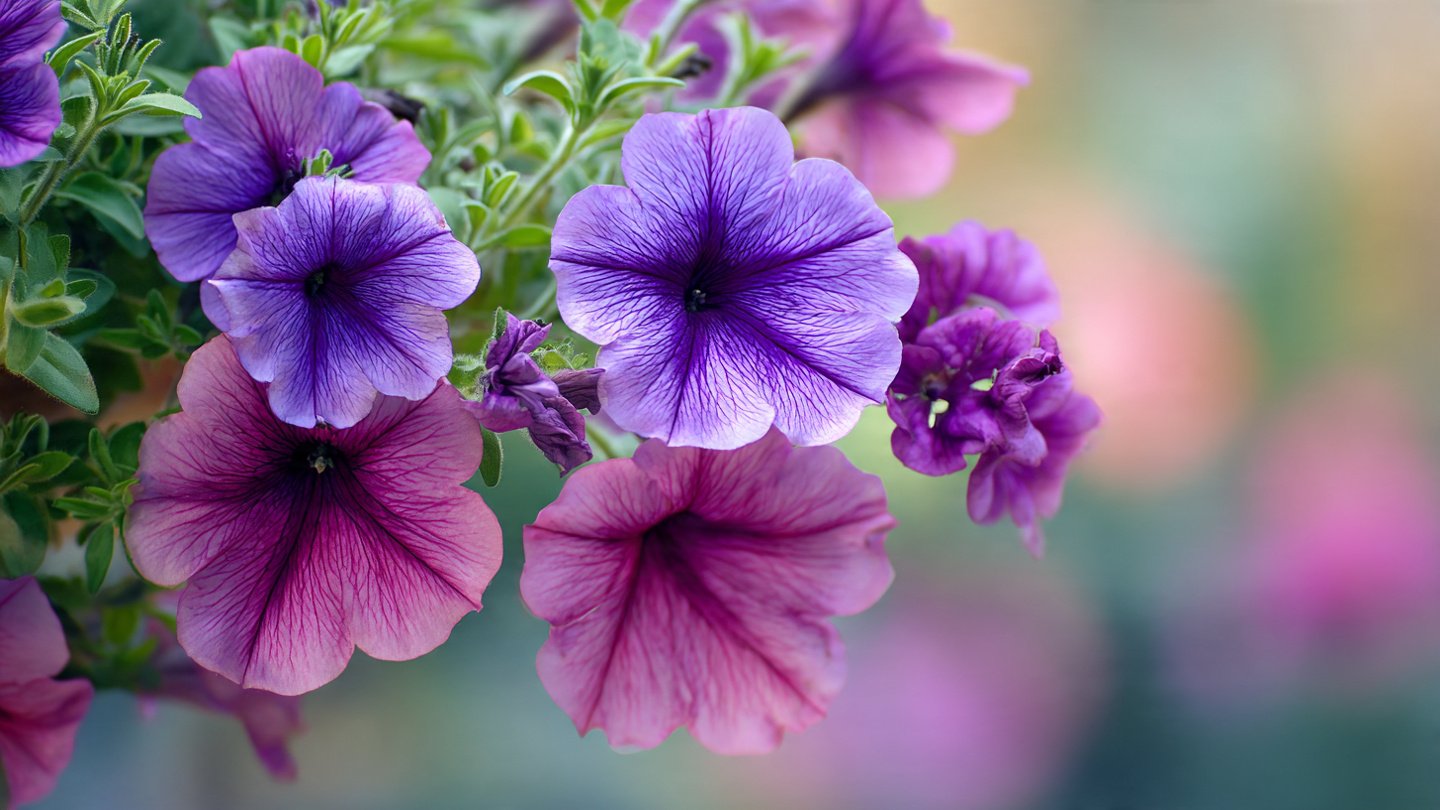
Petunias are among the most popular flowering plants for gardens, balconies, and containers, cherished for their vibrant colors, long-lasting blooms, and adaptability. With the right care, these cheerful flowers can provide a continuous display of color throughout the growing season, turning ordinary spaces into lively, eye-catching gardens. The key to success lies not only in planting but in understanding the simple care techniques that encourage endless flowering.
This comprehensive guide explains how to grow petunias that bloom abundantly and consistently, including planting tips, watering, fertilizing, pruning, and pest management.
Understanding Petunias
Petunias belong to the family Solanaceae and are native to South America. They thrive in warm, sunny climates and are highly versatile, making them ideal for beds, hanging baskets, window boxes, and container gardens. Petunias come in many varieties, including trailing, compact, and grandiflora types, each suited to different landscaping purposes.
Their popularity stems from their long flowering period, easy maintenance, and ability to adapt to various garden conditions. However, to maintain continuous blooms, proper care techniques are essential.
Selecting the Right Petunia Variety
Choosing the right variety is the first step in achieving endless blooms. Consider the following types:
- Grandiflora Petunias: Large, showy flowers ideal for focal points in containers or garden beds.
- Multiflora Petunias: Smaller, abundant flowers that bloom continuously and are excellent for mass planting.
- Trailing Petunias (Wave Petunias): Ideal for hanging baskets, window boxes, or as ground cover, offering cascading blooms.
Select healthy seedlings or young plants from reputable nurseries to ensure strong growth and a high bloom potential. Avoid plants with yellowing leaves or signs of pests, as these can delay flowering.
Choosing the Perfect Location
Petunias thrive in full sunlight, requiring at least 5–6 hours of direct sun daily. While they tolerate partial shade, too little light results in fewer flowers and leggy growth.
Ensure that the planting site has good air circulation to reduce fungal problems, and choose well-draining soil to prevent root rot. For container gardening, select pots with drainage holes to allow excess water to escape.
Preparing the Soil
Petunias prefer slightly acidic to neutral soil (pH 6.0–7.0) that is rich in organic matter. Well-draining soil is essential because standing water can cause root diseases and reduce bloom production.
Amend garden beds or containers with compost, aged manure, or well-rotted leaf mold to improve fertility and soil structure. For container planting, a high-quality potting mix blended with perlite or vermiculite provides aeration and moisture retention.
Planting Petunias Correctly
When planting petunias, follow these steps to encourage robust growth and continuous blooms:
- Space plants 10–12 inches apart for compact varieties and 12–18 inches for trailing types. Proper spacing ensures airflow and prevents disease.
- Dig holes slightly larger than the root ball. Place the plant at the same depth it was growing in the nursery container.
- Backfill with soil, pressing lightly to remove air pockets.
- Water thoroughly after planting to settle the soil and provide initial moisture for root establishment.
In containers, group multiple plants close enough to create a dense, colorful display while leaving sufficient room for growth.
Watering for Continuous Blooms
Petunias need consistent moisture, especially during flowering, but overwatering can lead to root rot and fewer blooms. The soil should be kept evenly moist but not soggy.
Water deeply at the base of the plant rather than overhead to avoid wetting leaves, which can encourage fungal diseases. Container plants typically require more frequent watering than in-ground beds, as pots dry out faster.
Fertilizing for Abundant Flowering
Regular feeding is critical for maintaining long-lasting blooms. Petunias are heavy feeders and benefit from a balanced, water-soluble fertilizer applied every 2–3 weeks.
For extra flower production, use a fertilizer higher in phosphorus, which encourages flowering. Avoid excessive nitrogen, as it promotes leafy growth at the expense of blooms. Organic alternatives like compost tea or diluted fish emulsion also support vibrant, healthy plants.
Deadheading and Pruning
One of the simplest ways to encourage continuous blooming is by removing spent flowers, a process called deadheading. Deadheading prevents the plant from setting seeds, redirecting energy toward producing more flowers.
Prune leggy or overgrown stems to maintain a compact shape and encourage branching. For trailing varieties, light trimming stimulates new growth and results in fuller, cascading blooms.
Supporting Trailing and Container Petunias
Trailing petunias, often used in hanging baskets and window boxes, benefit from occasional trimming of long stems to maintain shape and encourage lateral growth. Ensure containers have adequate drainage and sufficient soil depth to support vigorous root development.
For larger displays, consider adding stakes or support wires for tall or grandiflora varieties to prevent stems from breaking under the weight of flowers.
Pest and Disease Management
Petunias are generally hardy but can be affected by pests such as aphids, whiteflies, and caterpillars, as well as fungal diseases like powdery mildew or leaf spot.
- Regularly inspect plants for signs of pests or disease.
- Remove affected leaves immediately.
- Use organic sprays like neem oil or insecticidal soap to control pests.
- Ensure good air circulation and avoid wetting leaves during watering to prevent fungal infections.
Healthy, well-cared-for plants are far less prone to problems, allowing for more consistent flowering.
Encouraging Year-Round Bloom
Petunias are sensitive to temperature and light conditions. In warm climates, they can bloom continuously for months. In cooler regions, consider planting petunias after the last frost and using containers that can be moved indoors or to sheltered areas during cold weather.
Supplementing with grow lights during shorter daylight periods can also prolong flowering. By maintaining optimal sunlight, water, and fertilization, petunias can provide months of uninterrupted color.
Companion Planting
Petunias pair well with other annuals and perennials to create layered garden displays. Low-growing foliage plants can serve as groundcover, while taller ornamental grasses provide contrast. Their versatility allows them to complement nearly any garden design while maintaining continuous color.
Final Thoughts
Growing petunias for continuous blooms is both rewarding and achievable with simple care techniques. By selecting healthy plants, providing adequate sunlight, maintaining proper soil and moisture levels, fertilizing regularly, and pruning thoughtfully, gardeners can enjoy a vibrant, colorful display for months.
Whether in garden beds, hanging baskets, or containers, petunias bring energy, beauty, and charm to any space. Following these easy care methods ensures endless blooms, creating a lively, cheerful environment that delights the eyes and enhances the garden’s overall appeal.