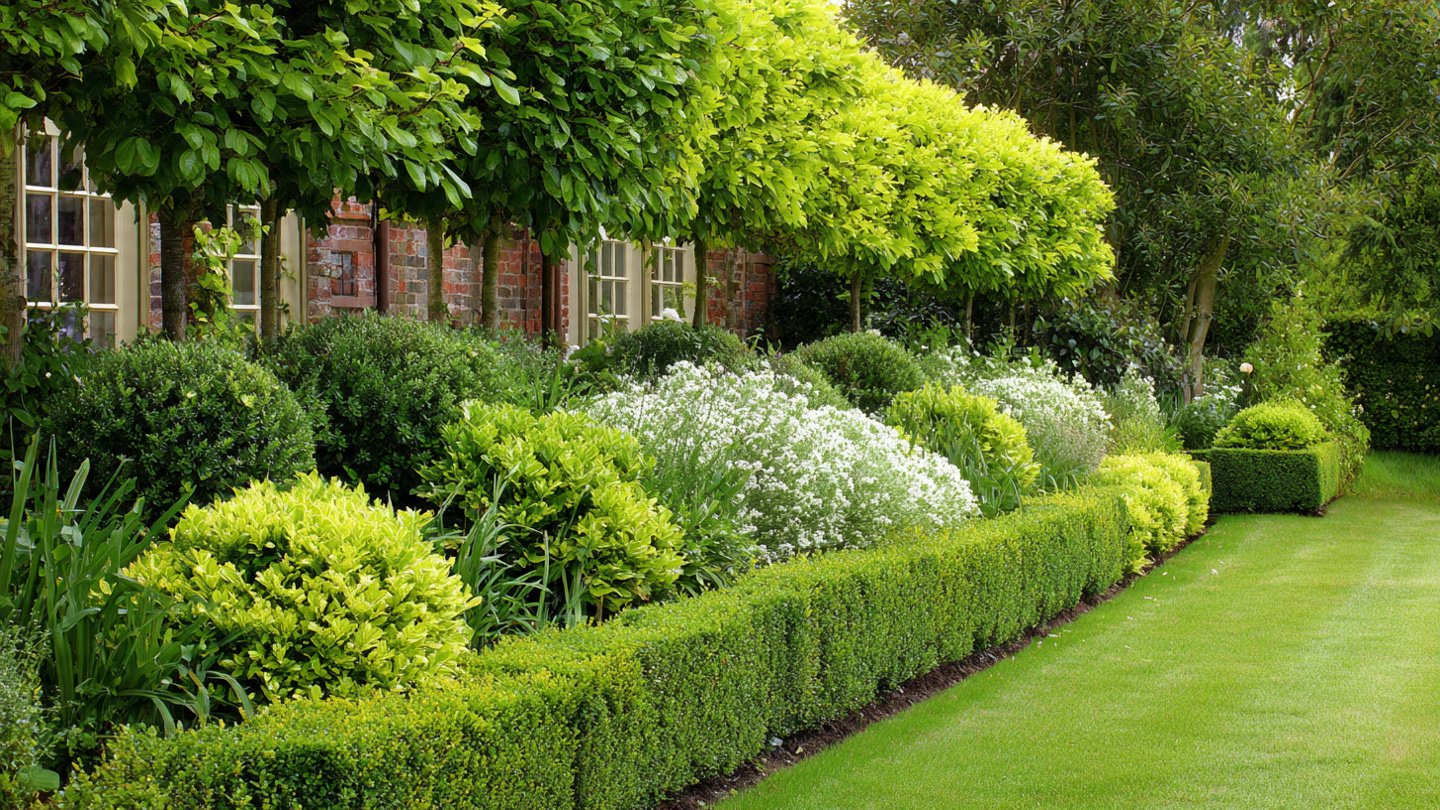
Creating a beautiful home garden often involves more than just flowers and vegetables—it requires structure, texture, and form. Decorative hedge plants are a fantastic way to achieve this, providing natural boundaries, privacy, and year-round greenery while enhancing the aesthetic appeal of your landscape. Whether you want a neatly trimmed border, a lush privacy screen, or elegant garden features, growing hedge plants successfully requires planning, proper selection, and ongoing care.
This comprehensive guide will walk you through all the steps, from choosing the right plants to maintenance tips, ensuring your hedge plants thrive and transform your garden into a picturesque landscape.
Why Decorative Hedge Plants Are Essential
Hedge plants are more than ornamental—they serve multiple functional and aesthetic purposes in a home garden:
- Privacy: Dense hedges can block unwanted views and create a sense of seclusion.
- Wind and noise protection: Tall, thick hedges reduce wind speed and absorb noise, improving garden comfort.
- Landscape structure: Hedges define pathways, sections, or boundaries, adding elegance to any garden.
- Wildlife habitat: Birds and small creatures often shelter in dense hedges.
- Year-round greenery: Many hedge plants are evergreen, providing consistent color and texture.
By strategically incorporating hedge plants, you can enhance both beauty and functionality in your outdoor space.
Choosing the Right Hedge Plant for Your Garden
The first step in successful hedge planting is selecting a plant that suits your climate, soil, and intended design. Key factors include growth rate, height, foliage type, and maintenance requirements.
Popular Decorative Hedge Plants:
- Boxwood (Buxus): Slow-growing, dense, and perfect for formal shapes or low borders.
- Privet (Ligustrum): Fast-growing, hardy, and excellent for privacy screens.
- Hibiscus: Offers seasonal flowers with lush foliage.
- Indian Laurel (Ficus nitida): Tall, thick evergreen ideal for screening large areas.
- Photinia: Vibrant red new growth adds seasonal color.
- Holly: Traditional, thorny option for added security.
Choose plants based on your desired hedge height, growth rate, and maintenance preferences. Fast-growing hedges are ideal for quick results, while slow-growing varieties provide refined, low-maintenance borders.
Preparing Your Garden for Hedge Planting
Proper preparation ensures healthy growth and long-term success.
1. Assess the Site:
- Choose an area with sufficient sunlight (most hedges need at least 4–6 hours per day).
- Ensure soil is well-draining; avoid waterlogged areas.
- Check for obstacles such as tree roots, rocks, or underground pipes.
2. Measure and Mark:
- Determine the hedge length and spacing between plants.
- Most hedge plants require 30–60 cm spacing for smaller varieties and 1–2 meters for larger ones.
- Mark the planting line using stakes or string for accuracy.
3. Soil Preparation:
- Dig trenches or holes approximately twice the width and depth of the plant root ball.
- Enrich soil with compost or well-rotted manure to provide nutrients.
- Loosen the surrounding soil to encourage root expansion.
Planting Decorative Hedge Plants
Whether you use saplings, container-grown plants, or bare-root hedges, the planting process must be done carefully:
- Remove the plant gently from its container, keeping the root ball intact.
- Place the plant in the hole or trench at the same depth it was growing previously.
- Backfill soil around the roots, pressing lightly to eliminate air pockets.
- Water thoroughly to help the soil settle and support root establishment.
For long hedges, planting in a straight line is crucial for uniform appearance. Use a string guide to maintain alignment.
Watering and Fertilization
Consistent care is key during the initial stages:
- Watering: Newly planted hedges require frequent watering, especially during dry periods. Water deeply every 2–3 days for the first few weeks. Once established, reduce frequency but ensure roots remain moist.
- Fertilization: Use balanced, slow-release fertilizers or organic compost to encourage healthy growth. Feed every 2–3 months during the growing season.
Avoid over-fertilizing, as it can lead to weak, overly lush growth prone to pests and diseases.
Pruning and Shaping for a Beautiful Hedge
One of the defining features of decorative hedges is their shape. Pruning helps maintain the desired form, density, and size:
- Initial pruning: Trim the hedge lightly after planting to encourage branching and fuller growth.
- Regular maintenance: Prune hedges 2–3 times per year, depending on growth rate.
- Shaping: Start pruning from the base, keeping the hedge slightly wider at the bottom to ensure sunlight reaches lower leaves.
- Tools: Use sharp garden shears or hedge trimmers for clean cuts.
Pruning also promotes healthier growth and prevents the hedge from becoming sparse or leggy.
Mulching and Soil Care
Mulching around hedge plants provides multiple benefits:
- Conserves soil moisture
- Regulates soil temperature
- Suppresses weeds
- Adds nutrients as it decomposes
Use organic mulches like wood chips, bark, or leaf litter, maintaining a 5–10 cm layer around the base but avoiding direct contact with stems to prevent rot.
Controlling Pests and Diseases
Decorative hedges can attract insects and fungal infections. Prevention and early treatment are essential:
- Inspect leaves and stems regularly for aphids, mealybugs, or caterpillars.
- Remove affected leaves promptly and apply neem oil or organic insecticides if necessary.
- Ensure proper spacing and airflow to reduce fungal infections like powdery mildew or leaf spot.
- Maintain healthy soil and avoid waterlogging.
Healthy, well-maintained hedges are more resilient to pests and diseases.
Enhancing Your Hedge Design
Hedges are not just functional—they can define the aesthetic character of your garden:
- Formal hedges: Boxwood and privet are ideal for precise, symmetrical designs.
- Informal hedges: Flowering or mixed foliage plants add natural charm and seasonal color.
- Layered plantings: Combine taller hedges with shorter flowering borders for depth and texture.
- Seasonal accents: Plant flowering shrubs within or along the hedge for bursts of seasonal color.
Thoughtful design transforms ordinary hedges into stunning garden features.
Common Mistakes to Avoid
- Planting too close or too far apart, resulting in sparse or overcrowded growth
- Neglecting initial watering and soil preparation
- Ignoring pruning schedules, causing leggy or uneven hedges
- Using low-quality or weak plants
- Allowing weeds to compete for nutrients and moisture
Avoiding these mistakes ensures healthier, denser, and visually appealing hedges.
Long-Term Care for Thriving Hedges
Once established, decorative hedges require consistent but manageable care:
- Water deeply during dry spells
- Fertilize 2–3 times annually
- Prune at least once or twice a year to maintain shape
- Mulch regularly to conserve moisture and enrich soil
- Monitor for pests and disease
With proper care, your hedge can remain attractive and productive for years.
Final Thoughts
Decorative hedge plants are an investment in both beauty and functionality. With the right plant selection, soil preparation, planting techniques, and ongoing maintenance, you can create a lush, structured, and visually appealing hedge that enhances the overall landscape of your home garden.
Whether you want formal borders, privacy screens, or flowering accents, these techniques ensure your hedge plants grow healthy, dense, and vibrant. From beginner gardeners to experienced enthusiasts, following these steps will help you cultivate a garden that is not only aesthetically pleasing but also ecologically beneficial, providing greenery and habitat for wildlife year-round.
By dedicating time to proper planting, watering, fertilization, and pruning, your decorative hedges will become the centerpiece of a beautiful, well-planned home landscape, delivering charm, privacy, and enjoyment for years to come.