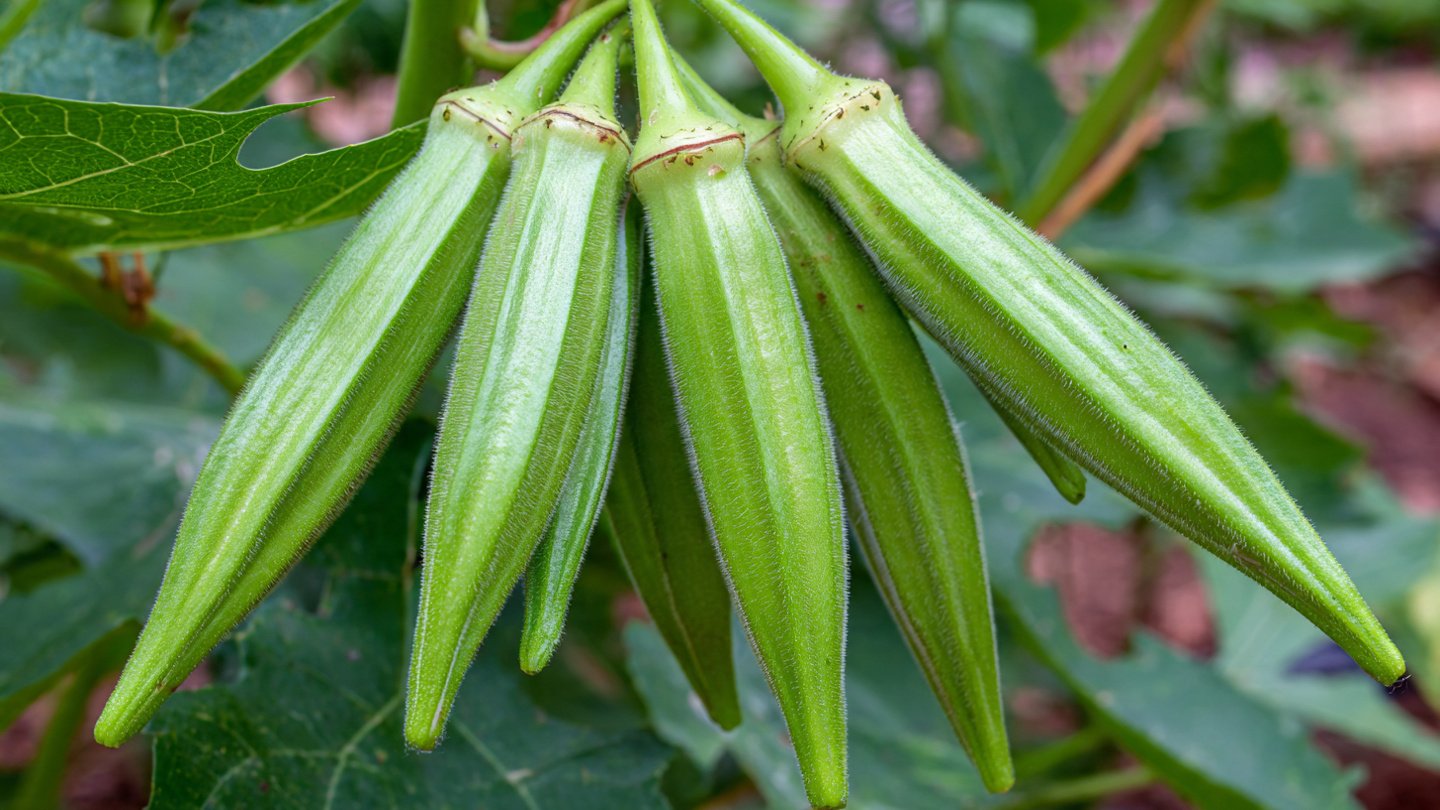
Okra, also known as “lady’s finger,” is a nutritious and versatile vegetable popular in many cuisines around the world. Its tender pods are rich in vitamins, minerals, and fiber, making it an excellent addition to a healthy diet. Growing okra at home is both rewarding and surprisingly simple, as long as you understand the plant’s needs. With the right strategies, you can enjoy a continuous harvest of tender, flavorful pods straight from your garden or balcony.
This comprehensive guide provides simple strategies for growing okra successfully at home, including planting tips, care instructions, pest management, and harvesting techniques.
Why Grow Okra at Home?
Growing okra at home offers several advantages:
- Freshness: Homegrown pods are more tender and flavorful than store-bought ones.
- Nutritional value: Freshly picked okra retains maximum nutrients, including vitamins A, C, and K.
- Continuous harvest: With proper care, okra plants can produce pods throughout the growing season.
- Cost savings: Growing your own vegetables reduces grocery bills.
- Sustainable gardening: Okra is easy to grow organically, minimizing chemical use.
By cultivating okra at home, you gain both culinary delight and health benefits.
Choosing the Right Variety
Selecting the right okra variety is crucial for home gardening. Some varieties grow taller, while others remain compact and are suitable for container gardening. Popular choices include:
- Clemson Spineless: Known for tender, spineless pods and high yield.
- Emerald: Produces medium-sized, uniform pods ideal for cooking.
- Red Burgundy: Adds color and flavor to salads and dishes.
- Baby Bubba: Compact variety, perfect for small spaces or pots.
Choose a variety suited to your climate, space, and culinary preferences.
Selecting the Ideal Growing Location
Okra thrives in full sunlight, requiring at least 6–8 hours of direct sun daily. Choose a spot that is:
- Warm and sheltered from strong winds
- Well-drained to prevent waterlogging
- Spacious enough for plants to grow 3–4 feet apart for adequate airflow
For container gardening, use large pots or grow bags to accommodate the plant’s long taproot.
Preparing Soil for Optimal Growth
Okra prefers well-draining, fertile soil rich in organic matter. Key tips for soil preparation:
- Mix garden soil with compost or well-rotted manure.
- Add sand or perlite to improve drainage.
- Maintain a slightly acidic to neutral pH (6.0–7.0).
- Ensure soil is loose to allow the taproot to grow deeply.
Healthy soil provides essential nutrients, supports strong growth, and contributes to tender pod development.
Sowing Seeds and Germination Tips
Okra grows best from seeds sown directly in the garden or in containers. Follow these simple steps:
- Soak seeds in water for 12–24 hours to enhance germination.
- Plant seeds 1 inch deep and 12–18 inches apart.
- Keep soil warm (around 75–90°F) for faster sprouting.
- Water gently to avoid washing seeds away.
Seeds usually germinate within 7–14 days, depending on temperature and moisture.
Watering for Tender Pods
Okra requires consistent watering, especially during flowering and pod formation:
- Keep soil evenly moist but not waterlogged.
- Water deeply once or twice a week, depending on weather.
- Mulch around the base to retain moisture and suppress weeds.
Proper watering ensures succulent, tender pods while preventing stress that can lead to tough, fibrous fruits.
Feeding and Fertilization
Okra is a heavy feeder and benefits from regular nutrition. To encourage tender pod growth:
- Apply organic compost or well-rotted manure at planting and every 3–4 weeks.
- Use balanced organic fertilizers rich in nitrogen, phosphorus, and potassium.
- Avoid over-fertilizing with nitrogen alone, which may produce lush leaves but fewer pods.
A well-fed plant produces more flowers, resulting in a higher yield of tender pods.
Supporting Plants for Better Growth
Tall okra varieties may require staking to prevent bending or breaking:
- Use bamboo sticks or garden stakes for support.
- Tie stems loosely with soft twine to avoid damage.
- Proper support improves airflow, reduces pest attacks, and ensures straight pods.
Pest and Disease Management
While okra is relatively hardy, it can face occasional pest and disease issues:
Common pests:
- Aphids
- Caterpillars
- Flea beetles
Preventive measures:
- Inspect plants regularly and remove affected leaves.
- Introduce natural predators like ladybugs for aphid control.
- Use neem oil or organic insecticidal sprays if infestations occur.
Common diseases:
- Powdery mildew
- Root rot (from waterlogged soil)
Maintaining proper spacing, airflow, and soil drainage prevents most problems.
Encouraging Flowering and Pod Formation
Okra flowers are bright and beautiful, and they precede pod formation. To maximize flower and pod production:
- Ensure full sunlight exposure.
- Avoid over-pruning leaves; healthy foliage supports flowering.
- Remove old or damaged flowers promptly to stimulate new growth.
- Maintain consistent moisture and fertilization throughout the flowering stage.
Healthy flowers directly lead to larger, more tender pods.
Harvesting Okra for Tenderness
Timing is critical when harvesting okra:
- Pick pods 2–4 inches long for the best texture and flavor.
- Harvest every 2–3 days to encourage continuous production.
- Use a sharp knife or scissors to avoid damaging the plant.
- Avoid letting pods grow too large, as they become tough and fibrous.
Regular harvesting keeps plants productive and ensures tender pods for cooking.
Tips for Maximum Yield
- Practice succession planting every few weeks to extend the harvest season.
- Keep soil mulched to retain moisture and prevent weed competition.
- Rotate containers or garden spots annually to maintain soil fertility.
- Monitor for pests daily and act promptly to protect plants.
- Provide extra support for tall varieties during windy conditions.
By combining these strategies, you can maximize both the quantity and quality of your okra harvest.
Culinary Uses and Nutritional Benefits
Homegrown okra is versatile in the kitchen. You can use it in:
- Soups and stews
- Stir-fries and curries
- Pickles and relishes
- Roasted or grilled vegetable dishes
Nutritionally, okra is low in calories, high in fiber, and rich in vitamins C and K, folate, and antioxidants. Growing your own ensures you enjoy maximum freshness and nutrient retention.
Final Thoughts
Growing tender, delicious okra pods at home is an achievable goal for any gardener, whether you have a backyard garden, balcony, or container space. By following simple strategies—selecting the right variety, providing sunlight, preparing fertile soil, maintaining consistent watering, and practicing proper harvesting techniques—you can enjoy a continuous supply of nutritious, flavorful pods.
Homegrown okra not only enhances your meals but also encourages a healthy lifestyle through gardening. With patience, care, and regular attention, you can transform your home into a source of fresh, tender, and delicious okra throughout the growing season.