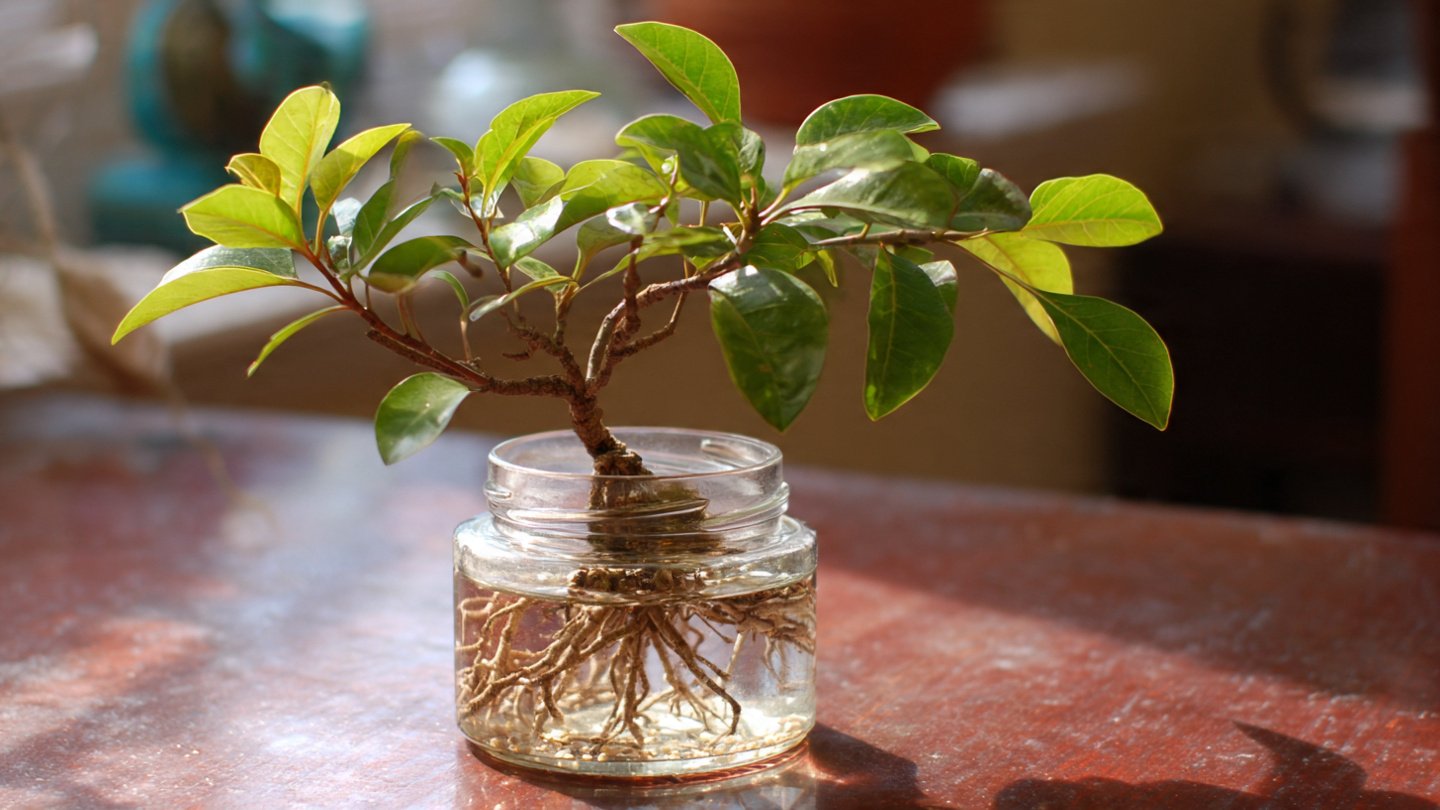
Ficus plants are among the most popular houseplants, loved for their glossy leaves, attractive growth habits, and ability to thrive indoors. One of the most rewarding aspects of growing ficus is that it propagates easily, especially through stem cuttings. Water propagation, in particular, is a beginner-friendly and reliable method that allows you to watch roots develop in real-time. With the right technique, you can grow healthy new ficus plants quickly and efficiently.
This article provides a comprehensive guide to rooting ficus cuttings in water, ensuring maximum success with minimal effort.
Why Water Propagation Works Well for Ficus
Ficus plants store energy in their stems, which helps cuttings develop roots when placed in water. Water propagation offers several advantages:
- Visual monitoring: You can see roots forming and track progress
- Reduced transplant shock: Roots develop gradually before planting in soil
- Minimal equipment: All you need is a container and clean water
- High success rate: Ficus responds well to water propagation when done correctly
By following proper steps, even beginners can achieve healthy, vigorous plants from a single cutting.
Choosing the Right Ficus Cutting
The first step to successful propagation is selecting a healthy stem.
Tips for choosing the best cutting:
- Select a stem that is 4–6 inches long
- Ensure it has at least 2–3 healthy leaves
- Avoid stems with yellowing leaves or signs of disease
- Cut just below a leaf node, where roots are most likely to form
Healthy cuttings with strong nodes have the highest chance of developing roots quickly.
Preparing the Cutting
Proper preparation improves rooting success. Follow these steps:
- Make a clean cut: Use sharp, sterilized scissors or pruning shears to avoid crushing the stem
- Remove lower leaves: Strip off leaves from the bottom 2 inches to prevent them from rotting in water
- Optional rooting hormone: While not necessary, dipping the cut end in rooting hormone can speed up root growth
Once prepared, the cutting is ready to be placed in water.
Choosing the Right Container and Water
Water propagation is simple, but the right container and water conditions make a big difference.
Container tips:
- Use a clean glass, jar, or vase
- Ensure it is tall enough to support the cutting without submerging leaves
Water tips:
- Use room-temperature, clean tap or filtered water
- Avoid chlorinated water if possible, as it can slow root development
- Change water every 5–7 days to prevent stagnation and bacterial growth
These small steps help the cutting stay healthy and encourage rapid root formation.
Placing the Cutting for Optimal Growth
Where you place the cutting affects its success.
Ideal conditions:
- Bright, indirect sunlight (avoid direct sun, which can scorch leaves)
- Warm temperatures between 20–28°C (68–82°F)
- Stable environment without drafts or sudden temperature changes
Providing the right environment ensures the cutting develops strong roots efficiently.
Monitoring Root Development
Roots usually begin to form within 2–6 weeks, depending on the ficus variety and environmental conditions. During this time:
- Check water levels regularly and top up as needed
- Remove any leaves that rot to prevent contamination
- Avoid excessive handling of the cutting, as this can damage nodes
Healthy roots should be white or light-colored, firm, and 2–4 inches long before transplanting.
Common Challenges and How to Overcome Them
While water propagation is simple, a few common issues may arise:
- Rotting stems or leaves: Caused by submerging leaves or stagnant water. Solution: Remove submerged leaves and change water regularly.
- Slow root growth: Often due to low temperatures or insufficient light. Solution: Move the cutting to a brighter, warmer location.
- Algae growth: Can occur in clear containers with sunlight. Solution: Use opaque containers or rinse the container when changing water.
By addressing these issues early, you can ensure successful rooting every time.
Transplanting Rooted Cuttings into Soil
Once roots are well-developed, it’s time to transfer the cutting to soil.
Steps for planting:
- Choose a pot with drainage holes
- Use well-draining soil, such as a mix of potting soil, perlite, and peat
- Plant the cutting gently, keeping roots straight
- Water lightly to settle the soil
After transplanting, avoid direct sunlight for the first few days to minimize transplant shock.
Post-Transplant Care
Proper care after planting ensures the cutting establishes quickly.
- Water moderately, allowing the top inch of soil to dry between waterings
- Keep in bright, indirect light
- Avoid fertilizing for the first month until roots are established
- Prune any damaged leaves to encourage healthy growth
With attentive care, the cutting will grow into a strong, mature ficus plant.
Advantages of Rooting Ficus in Water
Water propagation has several advantages over soil propagation:
- Visual progress tracking: You can see root development clearly
- Lower failure risk: Fewer issues with overwatering or soil-borne pests
- Ease of management: No complicated soil preparation required
- Fun and rewarding: Watching roots grow adds satisfaction and engagement
This method is particularly well-suited for beginners or anyone looking to multiply their ficus collection quickly.
Tips for Maximum Success
To ensure the highest rooting success, follow these tips:
- Use healthy, disease-free parent plants
- Take cuttings during the active growing season (spring or early summer)
- Keep leaves above water to prevent rotting
- Maintain consistent water levels and temperature
- Be patient—rooting may take several weeks, but the result is worth it
Following these best practices significantly increases the chances of producing a thriving new plant.
Final Thoughts
Rooting ficus cuttings in water is one of the simplest and most rewarding ways to propagate your houseplants. By selecting healthy stems, preparing them properly, providing the right water and light conditions, and monitoring progress, you can enjoy high success rates with minimal effort.
Whether you want to expand your indoor garden, share plants with friends, or rejuvenate an older plant, water propagation offers a fun, easy, and effective solution. With patience and care, your new ficus cuttings will develop strong roots and grow into healthy, vibrant plants that enhance your home environment.