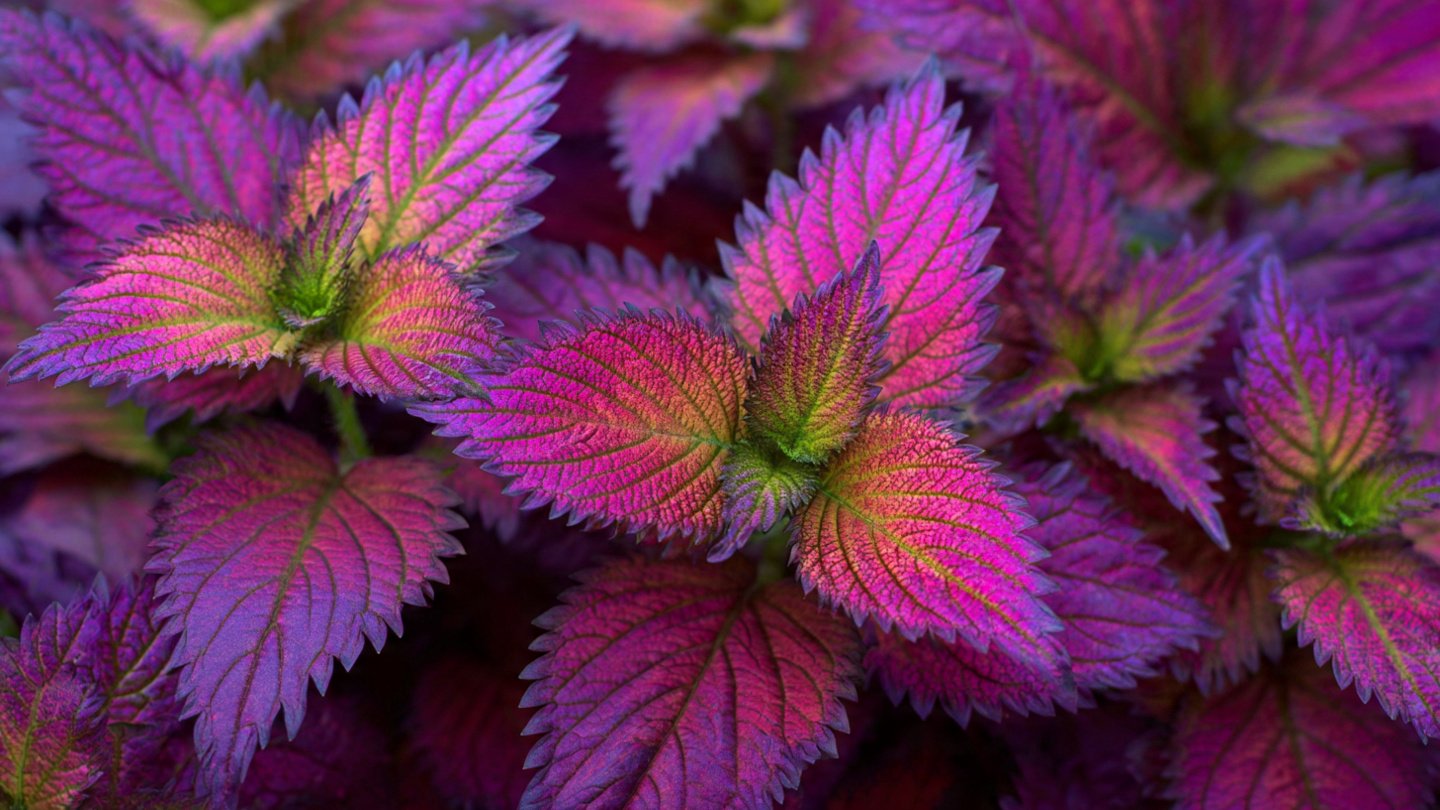
Painted nettle, scientifically known as Coleus scutellarioides, is a popular ornamental plant celebrated for its brightly colored foliage and versatility in landscaping. With a palette ranging from fiery reds and vibrant oranges to striking purples, greens, and yellows, painted nettle can instantly transform ordinary garden spaces into lively, visually captivating displays. While its beauty is apparent, cultivating painted nettle for mass planting requires careful planning, proper care, and strategic techniques to ensure consistent color, healthy growth, and a dense, vibrant appearance. This guide explains an easy method to grow painted nettle in mass plantings that delivers stunning garden results.
Why Choose Painted Nettle for Mass Planting
Painted nettle is favored for several reasons:
- Vibrant Foliage: Unlike flowering plants that bloom seasonally, painted nettle offers continuous color throughout the growing season. Its leaves come in a wide array of patterns and shades, creating dynamic garden compositions.
- Compact Growth: Many modern varieties are bred for compact, bushy growth, making them ideal for dense mass plantings, borders, and edging.
- Low Maintenance: Painted nettle is relatively easy to grow, requiring moderate care, making it suitable for both novice and experienced gardeners.
- Versatility: It thrives in garden beds, containers, or raised borders, allowing creative landscaping designs.
Mass planting painted nettle creates a visually cohesive, colorful carpet effect that can serve as a focal point in gardens, walkways, or public landscapes.
Selecting the Right Variety
The first step to a successful mass planting is choosing the right painted nettle variety. Varieties differ in leaf color, size, and growth habit. Some varieties produce bold, large leaves with vivid patterns, while others remain compact with smaller leaves suitable for tight planting schemes.
When planning mass displays, consider:
- Color Harmony: Choose varieties that complement each other for gradient or contrasting effects.
- Uniform Growth Habit: For a neat, dense carpet, select varieties that maintain similar height and spread.
- Climate Adaptation: Opt for varieties that perform well in your local temperature and light conditions.
Preparing the Garden Bed
Healthy soil and proper preparation are essential for painted nettle success, especially in large-scale plantings:
- Soil Type: Painted nettle thrives in rich, well-draining soil with a slightly acidic to neutral pH (6.0–7.0). Avoid heavy clay or waterlogged soils.
- Soil Enrichment: Incorporate organic matter such as compost, well-rotted manure, or leaf mold to improve fertility and texture.
- Loosening and Leveling: Loosen soil to a depth of 15–20 cm and level the bed to facilitate uniform planting and water distribution.
Raised beds or prepared borders work well for mass planting, as they ensure good drainage and help prevent root rot.
Propagation: Seeds or Cuttings
Painted nettle can be propagated from seeds or stem cuttings. Both methods are effective, but for uniformity in mass planting, stem cuttings are often preferred:
- From Cuttings: Take healthy stem cuttings 8–10 cm long, remove the lower leaves, and place them in water or moist soil. Roots usually develop within 2–3 weeks. Once rooted, plants are ready for transplanting.
- From Seeds: Sow seeds in seed trays filled with light, well-draining soil. Keep them moist and in indirect sunlight. Seeds germinate within 7–14 days. Once seedlings develop several true leaves, they can be transplanted into prepared beds.
Stem cuttings ensure uniform color and growth, while seeds allow more variety but may result in slightly varied leaf patterns.
Planting for Mass Effect
Spacing is crucial to achieving a dense, vibrant carpet of painted nettle. Follow these guidelines:
- Planting Distance: Space plants 20–25 cm apart to allow leaves to fill in without overcrowding.
- Row Spacing: Maintain about 25–30 cm between rows for easier maintenance and irrigation.
- Pattern Planning: For creative designs, alternate colors or leaf patterns row by row, or create gradient effects.
Transplant seedlings or rooted cuttings carefully to avoid damaging fragile stems and roots. Water immediately after planting to help plants settle into the soil.
Light and Temperature Requirements
Painted nettle performs best in partial shade to bright, indirect sunlight. While some varieties tolerate full sun, intense direct sunlight may scorch leaves and fade colors. Conversely, too much shade can reduce foliage vibrancy and cause leggy growth.
- Ideal Temperature: 20–30°C is optimal for growth. Cooler temperatures slow development, while frost can damage or kill the plants.
- Microclimates: Consider using taller plants, walls, or shade nets to protect mass plantings from harsh afternoon sun.
Watering and Mulching
Consistent moisture is key to healthy growth and vibrant foliage:
- Watering: Water regularly, keeping soil evenly moist but not waterlogged. Drip irrigation works well for large plantings to provide uniform moisture.
- Mulching: Apply organic mulch such as straw, bark, or coco peat around plants. Mulch helps retain soil moisture, suppress weeds, and regulate soil temperature, supporting lush growth.
Fertilization for Color and Vigor
Proper nutrition ensures that painted nettle develops vibrant colors and healthy leaves:
- Baseline Fertility: Mix compost or slow-release balanced fertilizer into the soil before planting.
- Ongoing Feeding: Apply diluted liquid fertilizers every 3–4 weeks to maintain vigorous growth.
- Avoid Over-Fertilizing: Excess nitrogen promotes leafy growth but may reduce leaf color intensity.
Pruning and Maintenance
Regular maintenance enhances the appearance and longevity of mass plantings:
- Pinching Tips: Pinch growing tips to encourage branching and bushier plants. This increases leaf density and coverage.
- Remove Flower Stalks: While painted nettle flowers are ornamental, removing them helps the plant focus energy on foliage production.
- Weed Control: Keep beds free of weeds, especially during early growth, to reduce competition for nutrients and water.
Pest and Disease Management
Painted nettle is generally hardy, but large plantings can sometimes attract pests such as aphids or spider mites:
- Regular Inspection: Check leaves and stems for early signs of infestation.
- Organic Control: Use neem oil, insecticidal soap, or horticultural oils to manage pests safely.
- Good Airflow: Avoid overcrowding to reduce fungal disease risks. Proper spacing and pruning help maintain airflow.
Design Tips for Maximum Visual Impact
Mass plantings of painted nettle can be used creatively to enhance garden aesthetics:
- Borders and Edging: Line pathways, flower beds, or garden borders for a polished, colorful edge.
- Patterns and Shapes: Combine different colors to form geometric patterns, swirls, or mosaics for eye-catching designs.
- Contrasts: Pair painted nettle with green foliage plants or neutral flowers to make the colors pop.
Dense plantings provide a carpet-like effect, allowing gardeners to create focal points and striking color blocks in outdoor spaces.
Conclusion
Growing painted nettle in mass for vibrant garden displays is both rewarding and visually striking. By selecting the right varieties, preparing nutrient-rich soil, and following proper planting, watering, and pruning practices, you can achieve lush, colorful carpets of foliage that enhance any outdoor space. With attention to spacing, nutrition, and pest management, painted nettle thrives in large-scale plantings, providing long-lasting color and texture throughout the growing season. Whether used for borders, patterns, or ground cover, mass plantings of painted nettle transform gardens into vibrant, eye-catching landscapes that delight all year long.