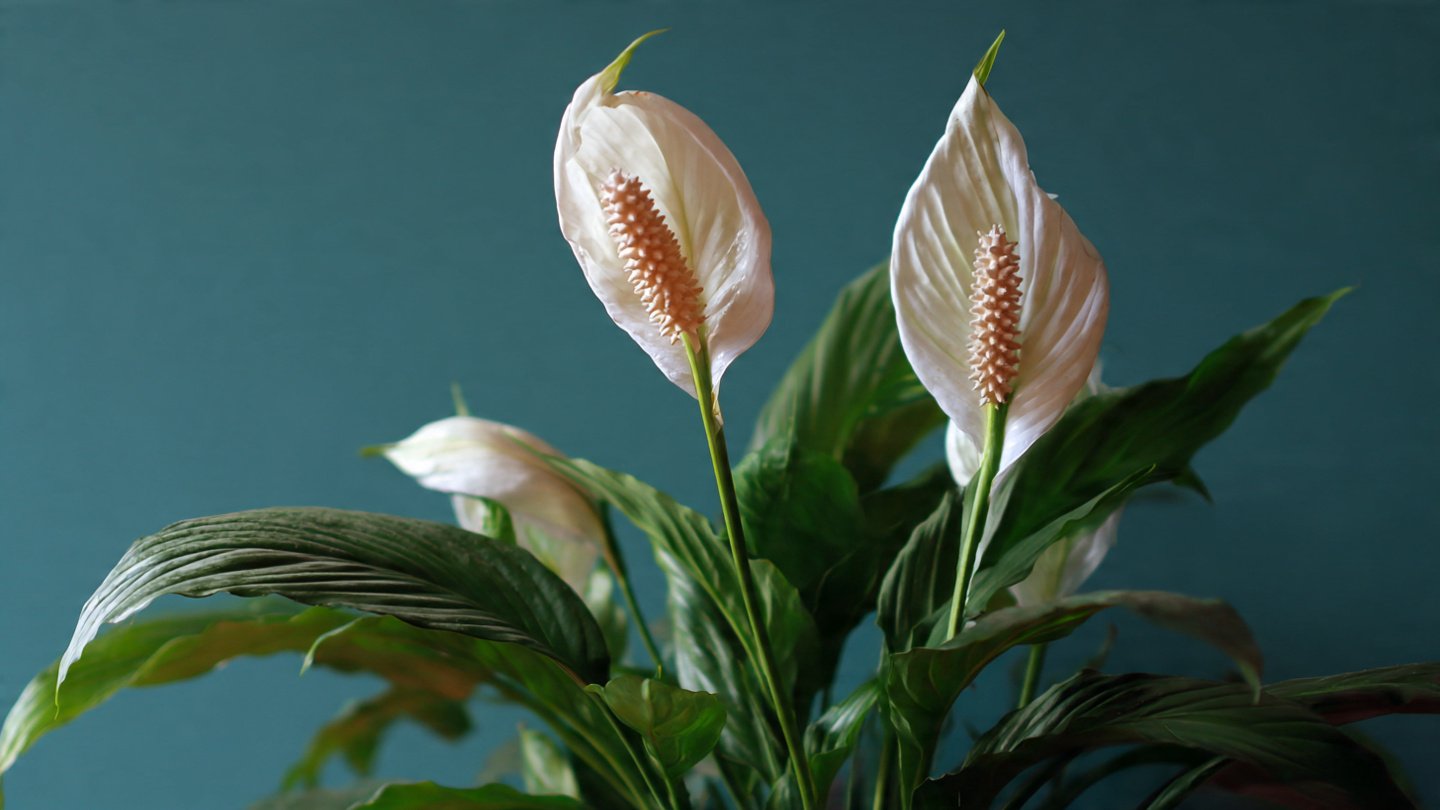
The Peace Lily (Spathiphyllum spp.) is one of the most popular indoor plants worldwide, known for its elegant white flowers and lush green foliage. Its ability to thrive in low light conditions and improve indoor air quality makes it a favorite for homes, offices, and public spaces. However, one common problem many growers face is yellowing leaves, which can indicate stress or improper care. This comprehensive guide will show you how to successfully grow a Peace Lily while minimizing the risk of yellow leaves, ensuring your plant remains vibrant and healthy.
Understanding Peace Lilies and Their Needs
Peace Lilies are tropical plants native to Central and South America. They thrive in environments that mimic the rainforest understory: filtered light, warm temperatures, and consistently moist soil. While resilient, they are sensitive to overwatering, poor soil, and insufficient nutrients—all of which can contribute to yellowing leaves.
Why Peace Lily Leaves Turn Yellow
Yellow leaves are the most common symptom of a stressed Peace Lily. Understanding the causes is essential for prevention and treatment.
1. Overwatering
Overwatering is the leading cause of yellow leaves in Peace Lilies. Waterlogged soil deprives roots of oxygen, leading to root rot and nutrient deficiencies.
Signs:
- Yellowing leaves starting at the base
- Soft, mushy roots
- Foul smell from the soil
2. Underwatering
Underwatering can also cause yellow leaves, though less commonly. Dry soil stresses the plant and affects nutrient transport.
Signs:
- Brown edges on leaves
- Drooping leaves
- Soil pulling away from pot edges
3. Poor Drainage
Even if watering is appropriate, poorly draining soil can retain excess water, causing root suffocation and yellowing.
4. Nutrient Deficiency
Peace Lilies require nutrients to support foliage and flowering. Lack of nitrogen, magnesium, or iron can result in yellow leaves.
5. Low Light
While tolerant of low light, insufficient lighting can cause older leaves to yellow and drop prematurely.
6. Environmental Stress
Drafts, sudden temperature changes, or exposure to chemicals can cause yellowing.
Selecting the Right Container and Soil
Proper soil and container selection are critical for healthy Peace Lilies.
Container
- Use pots with drainage holes to prevent water accumulation
- Avoid overly large pots; Peace Lilies prefer slightly snug root zones
Soil
- Choose a lightweight, well-draining potting mix
- Ideal mix: peat moss, perlite, and pine bark
- Avoid garden soil or heavy clay
A well-draining mix ensures roots receive both moisture and air, reducing the risk of yellowing leaves.
Proper Watering Techniques
Watering is the most crucial factor in preventing yellow leaves.
- Check soil moisture before watering
- Water thoroughly until water drains from the bottom
- Reduce watering in winter when growth slows
- Avoid letting the plant sit in standing water
Tip: Peace Lilies are sensitive to chemicals in tap water. If possible, use filtered or distilled water.
Providing Adequate Light
Peace Lilies grow best in bright, indirect light.
- Place near north- or east-facing windows
- Avoid direct sunlight, which can scorch leaves
- Low light slows growth but generally does not kill the plant
Tip: If indoors with very low light, consider supplementing with fluorescent or LED grow lights.
Fertilizing for Healthy Growth
Balanced nutrition keeps Peace Lilies green and supports flowering.
- Use a balanced, water-soluble fertilizer every 6–8 weeks during the growing season
- Avoid over-fertilizing, which can burn roots and yellow leaves
- Organic options like compost tea or diluted fish emulsion work well
Tip: Reduce fertilization during winter dormancy.
Maintaining Humidity and Temperature
As tropical plants, Peace Lilies thrive in humid, warm environments.
- Ideal temperature range: 18–27°C
- Humidity: 50% or higher
- Increase humidity with a humidifier, pebble tray, or grouping plants together
- Avoid cold drafts or sudden temperature changes
Maintaining stable conditions helps prevent stress-related yellowing.
Pruning and Removing Yellow Leaves
Regular pruning encourages healthy growth.
- Remove yellow or damaged leaves with clean scissors
- Cut at the base of the stem to prevent infection
- Avoid cutting healthy green leaves unnecessarily
Pruning also improves airflow and light penetration for remaining leaves.
Repotting for Continued Health
Peace Lilies benefit from occasional repotting.
- Repot every 1–2 years in spring
- Choose a pot slightly larger than the current root ball
- Refresh soil to provide new nutrients and improve drainage
Tip: Disturb roots minimally during repotting to reduce stress.
Preventing Common Pests
While Peace Lilies are relatively pest-resistant, they can occasionally attract:
- Spider mites
- Aphids
- Mealybugs
Regularly inspect leaves and stems. Wipe leaves with a damp cloth or use mild insecticidal soap if needed. Healthy plants are less susceptible to infestations.
Common Mistakes to Avoid
- Watering on a strict schedule without checking soil
- Using heavy, poorly draining soil
- Placing the plant in direct sunlight
- Over-fertilizing or using chemical fertilizers excessively
- Ignoring environmental stressors like drafts or extreme temperatures
Correcting these mistakes prevents yellow leaves and promotes long-term plant health.
Encouraging Flowering
Peace Lily flowers are a beautiful bonus for indoor gardeners.
- Adequate light and consistent watering promote blooms
- Regular feeding provides nutrients for flowering
- Remove spent flowers to encourage new growth
Healthy foliage supports healthy flowers—vibrant green leaves are essential for optimal blooming.
Final Thoughts
Growing a Peace Lily without worrying about yellow leaves is achievable with attention to the plant’s water, light, soil, and nutrient needs. By creating the right environment, using well-draining soil, and practicing proper watering and fertilization, you can enjoy a lush, thriving indoor plant all year round.
Peace Lilies are not only beautiful but also purify indoor air, making them a functional and aesthetically pleasing addition to any space. With patience, care, and the right techniques, yellow leaves can be minimized, allowing your Peace Lily to flourish and bring serenity and greenery to your home.