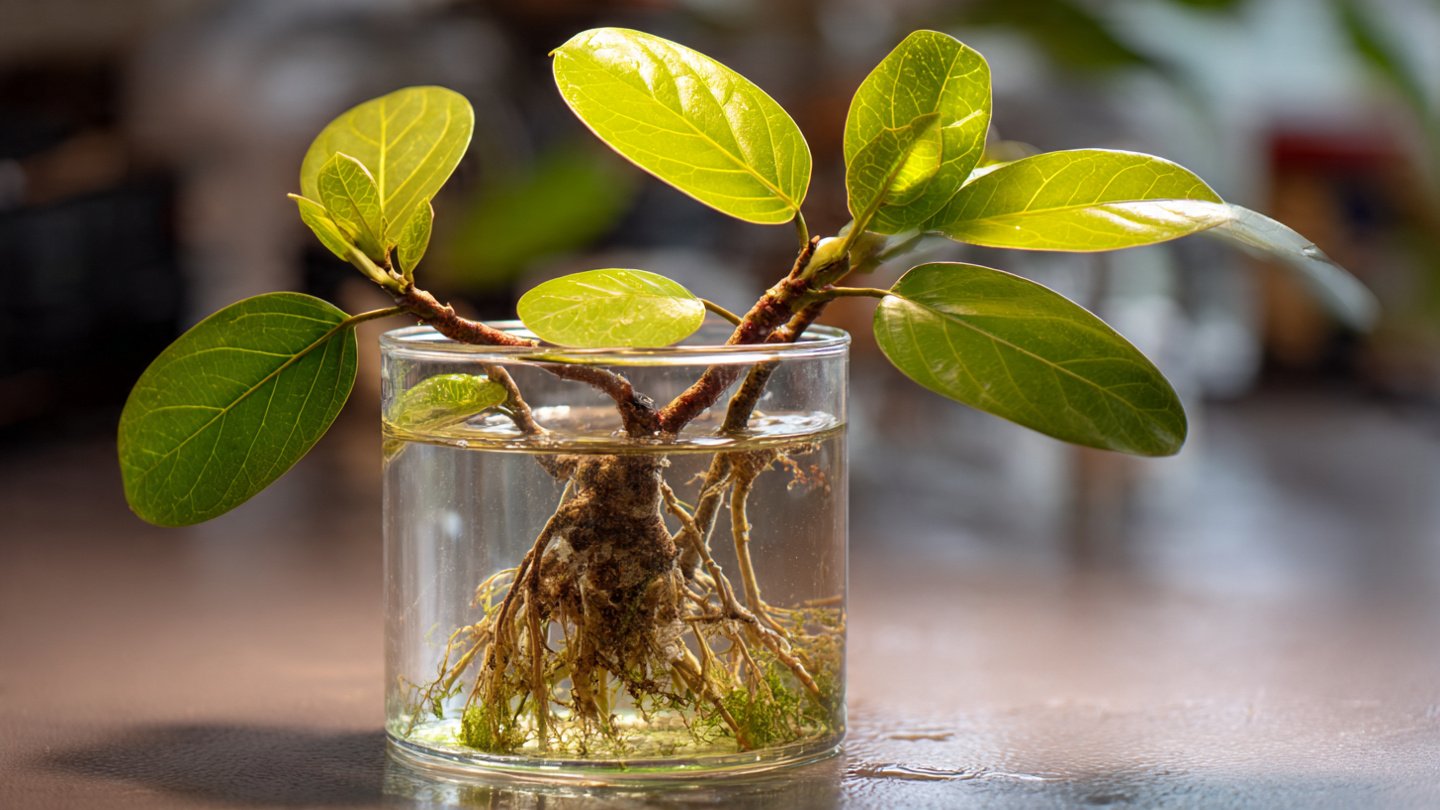
Ficus plants are among the most popular indoor plants due to their glossy leaves, graceful growth, and ability to thrive in a variety of indoor environments. Propagating ficus from cuttings is a simple, cost-effective way to grow new plants and expand your indoor garden. One of the easiest and most reliable methods for beginners and experienced gardeners alike is rooting ficus cuttings in water. This technique allows you to observe root development directly, minimize transplant shock, and achieve high success rates with minimal effort.
This comprehensive guide will walk you through the best method to root ficus cuttings in water, covering everything from selecting the right cutting to ensuring healthy root growth and successful transplantation.
Why Root Ficus Cuttings in Water?
Water propagation is particularly suited for ficus for several reasons:
- Visibility of Root Development: You can monitor progress and remove cuttings that fail early.
- Minimal Equipment: No soil, pots, or fertilizers are initially required.
- Reduced Stress: The cutting absorbs water easily, reducing the risk of drying out.
- High Success Rate: Properly prepared cuttings root quickly and vigorously in water.
This method is ideal for indoor gardeners who want a straightforward, low-mess propagation technique.
Choosing the Right Ficus Cutting
The success of water propagation begins with selecting a healthy cutting.
1. Type of Cutting
- Choose a semi-hardwood stem: not too soft or too old.
- Length should be around 4–6 inches (10–15 cm).
- Include at least 2–3 nodes, as roots develop from the nodes.
2. Health of the Parent Plant
- Select a strong, disease-free ficus plant.
- Avoid cutting from weak, stressed, or pest-infested stems.
3. Cut at the Right Angle
- Use a sharp, clean knife or pruning shears.
- Cut just below a node at a 45° angle to increase rooting surface area.
Preparing the Cutting for Water Propagation
Proper preparation improves rooting success dramatically.
Step 1: Remove Lower Leaves
- Remove leaves from the lower half of the cutting to prevent rotting in water.
- Keep 2–3 healthy leaves at the top for photosynthesis.
Step 2: Optional Rooting Hormone
- While ficus roots well in plain water, dipping the cut end in natural rooting hormone (like powdered cinnamon) can accelerate root growth and reduce infection risk.
- Avoid chemical rooting powders if you prefer organic methods.
Choosing the Right Water and Container
Water quality and container choice play a crucial role in root development.
Water Type
- Use clean, room-temperature water.
- Filtered or dechlorinated water is ideal to avoid chemical stress.
Container
- A clear glass jar or plastic cup works best to monitor root growth.
- Avoid opaque containers, as light encourages algae growth.
Placing the Cutting for Optimal Rooting
Where and how you place your cutting affects success:
- Light: Place the container in bright, indirect light. Avoid direct sunlight, which can overheat the water and stress the cutting.
- Temperature: Maintain a warm environment between 20–25°C (68–77°F).
- Air Circulation: Ensure gentle airflow to prevent mold but avoid drafts that dry out leaves.
Changing Water and Maintaining Hygiene
Clean water is key to preventing fungal or bacterial infections.
- Replace water every 5–7 days, or sooner if it becomes cloudy.
- Wash the container with mild soap and rinse thoroughly before refilling.
- Trim any leaves that fall into the water to prevent rotting.
Maintaining a clean environment ensures faster, healthier root development.
Monitoring Root Growth
Ficus cuttings typically develop visible roots in 2–4 weeks, depending on environmental conditions and the variety of ficus.
- Look for small white or light brown root tips emerging from the nodes.
- Roots longer than 2–3 inches indicate the cutting is ready for transplantation.
- If no roots appear after 4–6 weeks, check for signs of rot or disease and remove damaged sections.
Preparing for Transplantation to Soil
Once the cutting has developed healthy roots, it’s time to plant it in soil:
Step 1: Choose the Right Pot
- Select a pot with drainage holes to prevent waterlogging.
- A slightly larger pot accommodates root growth without overwhelming the cutting.
Step 2: Use Well-Draining Soil
- A mix of garden soil, compost, and sand or cocopeat works well.
- Soil should retain moisture without becoming soggy.
Step 3: Transplant Carefully
- Handle the roots gently to avoid breaking them.
- Place the cutting in the soil and lightly press around the base to secure it.
- Water moderately to settle the soil but avoid overwatering.
Aftercare for Newly Transplanted Ficus Cuttings
Transplanted cuttings need gentle care to establish in soil:
- Keep in bright, indirect light for the first few weeks.
- Avoid fertilizing immediately; wait until the cutting shows new growth.
- Maintain moderate watering, allowing the top layer of soil to dry slightly between waterings.
- Monitor for pests or stress and remove any yellowing leaves.
Proper care ensures that your new ficus cutting grows into a strong, healthy plant.
Common Mistakes and How to Avoid Them
Overwatering in Water Container
- Change water regularly and avoid submerging leaves to prevent rot.
Direct Sunlight
- Too much light can overheat the cutting, causing leaves to wilt.
Using Weak or Diseased Cuttings
- Always select healthy parent plants to maximize rooting success.
Rushing Transplantation
- Wait until roots are well-developed; premature planting can lead to shock or death.
Benefits of Water Propagation
- Allows you to visually track root development
- Reduces risk of soil-borne diseases during initial rooting
- Encourages faster establishment in soil after transplant
- Simple, low-cost method suitable for indoor gardeners
With patience and proper care, water propagation often results in robust, vigorous new ficus plants.
Final Thoughts
Rooting ficus cuttings in water is one of the easiest and most effective propagation methods for indoor gardeners. By choosing healthy cuttings, using clean water, providing indirect light, and maintaining hygiene, you can achieve maximum success with minimal effort. Once the roots are strong, careful transplantation into soil ensures long-term growth, giving you new plants to decorate your home, gift to friends, or expand your indoor garden.
With this easy hack, anyone can multiply their ficus collection naturally and successfully, turning a simple cutting into a thriving new plant.