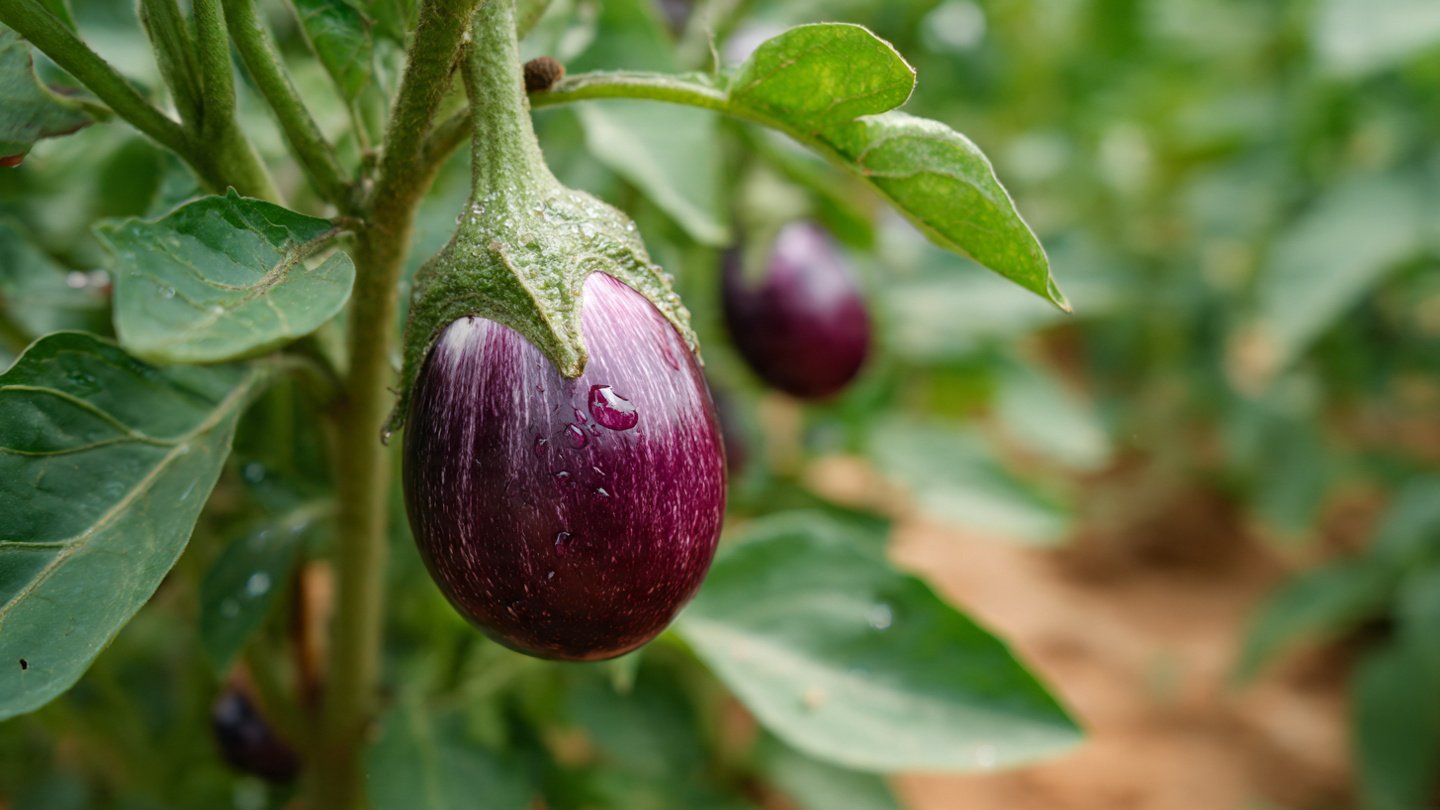
Brinjal, commonly known as eggplant, is a staple in many kitchens worldwide, valued for its versatility, taste, and nutritional benefits. For home gardeners and small-scale farmers, achieving high fruit yields is both a challenge and a rewarding endeavor. While brinjal is relatively easy to grow, maximizing fruit production requires careful planning, proper care, and the use of innovative cultivation techniques. This guide will provide detailed strategies to enhance brinjal growth, ensure healthy plants, and increase the number and quality of fruits in your garden.
Understanding Brinjal Growth and Fruit Development
Brinjal is a tropical to subtropical plant that thrives in warm conditions with adequate sunlight and moisture. It requires a growing period of 100–150 days from transplanting to harvest, depending on the variety. Understanding the plant’s growth stages is critical for implementing techniques that boost fruit production:
- Vegetative Stage: Focuses on leaf and stem development. Healthy vegetative growth is essential for supporting abundant fruiting later.
- Flowering Stage: The plant begins producing flowers that will eventually develop into fruits. Pollination and proper nutrition at this stage determine fruit set and size.
- Fruit Development Stage: Fruits grow in size and color. Adequate watering, fertilization, and pest management are crucial for maximizing yield.
Choosing High-Yield Brinjal Varieties
Selecting the right variety is the first step toward maximum production. Choose high-yielding, disease-resistant varieties suited to your climate and soil conditions. Some varieties are bred specifically for bushy growth, early fruiting, or large-sized fruits. Local agricultural extension services or seed suppliers can recommend the best-performing varieties for your area.
Soil Preparation for Optimal Growth
Healthy soil is the foundation of high fruit production. Brinjal prefers well-drained, fertile soils rich in organic matter, with a pH of 5.5–6.8. Follow these steps to prepare your soil:
- Deep Loosening: Loosen soil to a depth of 30–40 cm to promote healthy root growth.
- Organic Matter: Incorporate compost or well-rotted manure to improve fertility and moisture retention.
- Fertilizer Base: Apply a balanced basal fertilizer rich in nitrogen, phosphorus, and potassium to encourage strong vegetative growth.
Raised beds or ridges can also improve drainage and prevent root diseases in heavy or clayey soils.
Transplanting and Spacing Techniques
Brinjal seedlings can be started in nurseries or seed trays and transplanted when they reach 6–8 weeks of age. Proper spacing ensures sufficient sunlight, airflow, and nutrient access. Generally, space plants 60–75 cm apart in rows 75–90 cm apart, depending on variety and growth habit. For bush-type varieties, closer spacing may work, while taller or sprawling types require more room.
Innovative Fertilization Practices
Nutrient management is crucial for high brinjal yields. Traditional fertilization methods may not provide consistent nutrient availability. Consider these innovative approaches:
- Split Fertilization: Apply nitrogen in split doses during vegetative and flowering stages to avoid excessive leaf growth and promote fruiting.
- Foliar Feeding: Spraying liquid fertilizers directly onto leaves can provide quick nutrient uptake during flowering and fruit development.
- Organic Enhancements: Use vermicompost tea, fish emulsion, or seaweed extracts to improve plant vigor and stress resistance.
Water Management for Maximum Fruit Set
Brinjal is sensitive to both drought and waterlogging. Consistent moisture is essential for flower formation and fruit development. Drip irrigation or soaker hoses are ideal for supplying water efficiently while minimizing disease risks caused by wet foliage. Mulching with straw, leaves, or biodegradable sheets helps retain soil moisture, regulate temperature, and suppress weeds.
Pruning and Training Techniques
Proper pruning improves air circulation, sunlight penetration, and fruiting efficiency. Consider these techniques:
- Sucker Removal: Remove small side shoots or suckers to direct the plant’s energy toward main stems and fruit production.
- Tip Pruning: Pinch the growing tip of the main stem after the plant reaches desired height to encourage branching and more fruiting sites.
- Support Structures: Use stakes or cages to support heavy branches, preventing breakage and improving fruit quality.
Pollination Enhancement
Successful pollination is critical for fruit set. While brinjal is mostly self-pollinating, poor fruit set can occur due to environmental factors. Innovative ways to enhance pollination include:
- Manual Pollination: Use a small brush to transfer pollen from flower to flower during low insect activity.
- Attracting Pollinators: Plant flowering companion plants nearby to attract bees and other pollinators that improve fruit set naturally.
- Environmental Control: Ensure adequate airflow and humidity to support pollen viability.
Integrated Pest and Disease Management
Brinjal is susceptible to pests such as aphids, whiteflies, and fruit borers, as well as diseases like blight and wilt. Managing these effectively ensures healthy fruit production:
- Regular Inspection: Monitor plants daily for early signs of pests or disease.
- Organic Pesticides: Use neem oil, insecticidal soap, or Bacillus thuringiensis (Bt) for environmentally friendly pest control.
- Crop Rotation and Hygiene: Avoid planting brinjal in the same spot repeatedly to reduce soil-borne disease risk. Remove and destroy affected plant parts promptly.
Harvesting Strategies for Continuous Yield
Harvest timing directly affects total yield and fruit quality. Brinjal should be harvested when fruits are firm, glossy, and fully colored but before seeds mature. Frequent harvesting encourages the plant to produce more fruits.
- Multiple Harvests: Pick fruits regularly, ideally every 2–3 days, to stimulate continuous flowering and fruiting.
- Careful Handling: Use scissors or a sharp knife to prevent damage to stems and neighboring fruits.
Innovative Garden Layouts for Maximum Production
Maximizing space can significantly boost yield. Consider raised beds, square-foot planting, or vertical trellising for compact varieties. Companion planting with crops like beans, marigolds, or basil can improve soil fertility, repel pests, and optimize space utilization.
Conclusion
Maximizing brinjal fruit production in your garden is achievable through careful planning, innovative techniques, and consistent care. From selecting high-yield varieties and preparing nutrient-rich soil to implementing proper pruning, irrigation, and pest management, each step contributes to healthier plants and more abundant harvests. By adopting these practices, gardeners can enjoy a steady supply of high-quality brinjal, enhance garden aesthetics, and make the most of available space. With attention to detail and proactive care, your garden can produce more fruits, faster, and with superior quality than ever before.