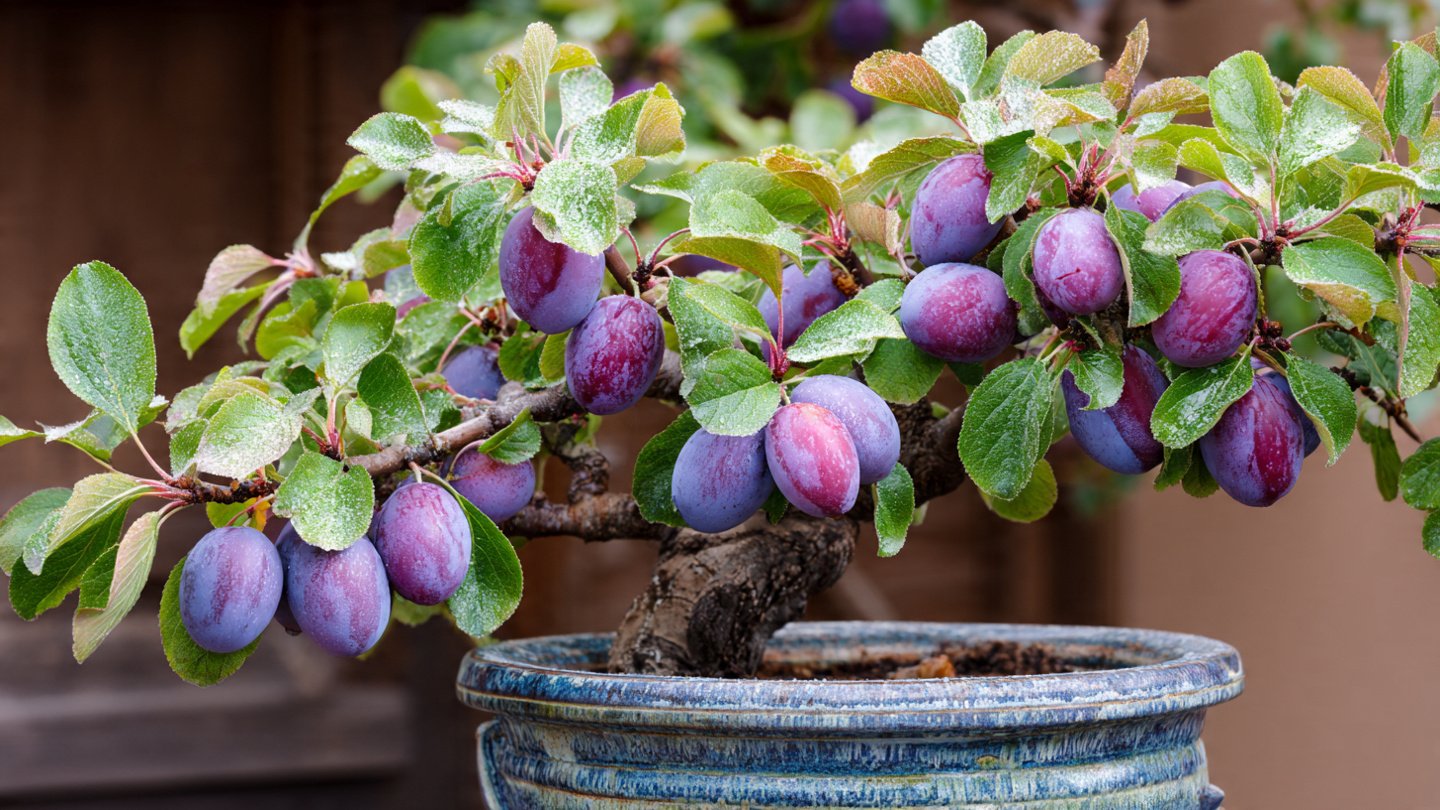
Growing plums in a traditional garden can be challenging for Canadian gardeners due to space constraints, cold winters, and shorter growing seasons. However, compact plum trees grown in containers offer an excellent solution. These trees are perfect for patios, balconies, or small backyard gardens, allowing you to enjoy fresh, homegrown plums even in limited spaces. With proper care, container-grown plum trees can produce abundant fruit while remaining manageable in size.
This comprehensive guide will walk Canadian gardeners through everything needed to successfully grow compact plum trees in containers—from selecting varieties to winter protection and ongoing care.
Why Grow Plum Trees in Containers?
Container gardening has several advantages. First, it allows gardeners with limited space to grow fruit trees without needing a large yard. Second, containers give you control over soil quality, moisture, and drainage. Third, they make it easier to move trees indoors or to sheltered areas during extreme weather, which is especially important in Canada’s variable climate.
Additionally, compact or dwarf plum varieties are well-suited for containers, producing full-sized fruit while maintaining a manageable size for easy maintenance and harvest.
Choosing the Right Plum Variety
Selecting the right variety is critical for success. For Canadian gardeners, look for cold-hardy, early- to mid-season varieties that can handle short summers and winter temperatures. Some excellent container-friendly plum varieties include:
- Stanley Plum: Known for its sweet, juicy fruit and reliable productivity.
- Mount Royal: Cold-hardy, perfect for northern climates.
- Opal: Self-pollinating and compact, ideal for patios.
- Pixy or Golden Nugget: Dwarf varieties suited for container growth.
When choosing a variety, check whether it is self-pollinating or requires a pollinator. For small spaces, self-pollinating varieties are often easier to manage.
Selecting the Right Container
The container you choose significantly impacts tree health. Compact plum trees require pots that are at least 18–24 inches in diameter and equally deep to accommodate roots. Ensure the container has adequate drainage holes to prevent waterlogging, which can cause root rot.
Materials such as plastic, ceramic, or resin work well. Keep in mind that heavier materials like ceramic provide stability, especially when trees are fruiting, but can be harder to move for winter protection.
Preparing the Soil
Plum trees prefer slightly acidic to neutral soil with good drainage. A high-quality potting mix is essential for container growth. You can create an ideal blend using:
- 2 parts premium potting soil
- 1 part compost for nutrients
- 1 part perlite or coarse sand for drainage
Avoid using garden soil alone, as it can compact in containers and hinder root development. The goal is to provide a lightweight, nutrient-rich environment that retains moisture without becoming soggy.
Planting Your Container Plum Tree
Plant your plum tree carefully. Fill the bottom of the container with some soil, place the root ball, and gently fill around it with potting mix. Ensure the graft union (a small bulge near the base of the trunk) sits a few inches above the soil line. Firm the soil lightly around the roots and water thoroughly to help settle the soil.
Avoid burying the trunk too deeply, as this can cause disease, and don’t plant it too shallowly, which can expose roots and dry them out.
Sunlight and Temperature Requirements
Plum trees need full sun for optimal growth and fruit production. Place your container in a location that receives at least 6–8 hours of direct sunlight daily. If sunlight is limited, consider supplementing with grow lights, especially for early spring flowering.
Canadian winters can be harsh, so container trees need extra protection. Move the pots to a sheltered area, such as a garage, shed, or unheated greenhouse, during extreme cold. Insulating the container with bubble wrap or burlap can also protect roots from freezing.
Watering and Drainage
Proper watering is essential for container plum trees. Water deeply when the top 1–2 inches of soil feel dry. Unlike in-ground trees, container trees dry out faster, especially during hot summer months. Consistent moisture encourages healthy root development and reduces stress.
However, overwatering can lead to root rot. Ensure excess water drains freely and never allow the container to sit in standing water. Mulching the top of the soil can help retain moisture and regulate temperature.
Fertilization for Healthy Growth
Plum trees in containers need regular feeding to thrive and produce fruit. During the growing season (spring through late summer), apply a balanced slow-release fertilizer formulated for fruit trees. Alternatively, liquid fertilizers can be applied every 3–4 weeks for steady nutrient supply.
Avoid over-fertilizing, which can cause excessive vegetative growth at the expense of fruit production. In fall, reduce or stop feeding as the tree prepares for dormancy.
Pruning and Training
Pruning is essential to maintain a compact size and encourage fruiting. Container plum trees benefit from light annual pruning:
- Remove dead, damaged, or crossing branches
- Thin out crowded growth to allow light penetration
- Encourage a central leader or open vase shape for airflow
Training young trees on stakes or a small trellis can support strong growth and prevent tipping when fruiting. Proper pruning improves both fruit quantity and quality.
Pollination Considerations
Most plum varieties benefit from cross-pollination, though some dwarf and compact varieties are self-pollinating. For self-pollinating trees, a single container can produce fruit. For cross-pollinated varieties, place two compatible trees nearby to improve yields.
In smaller indoor or patio settings, hand pollination with a soft brush can help increase fruit set.
Managing Pests and Diseases
Container-grown plums are generally less prone to pests than in-ground trees, but vigilance is necessary. Common issues include:
- Aphids and spider mites
- Scale insects
- Fungal infections like brown rot
Inspect trees regularly and remove affected leaves or branches. Use organic insecticidal sprays or horticultural oils when needed. Good airflow, proper spacing, and clean containers help reduce disease risks.
Winter Protection for Canadian Gardeners
Canadian winters require extra precautions for container fruit trees. Since roots are more exposed in containers, freezing temperatures can damage or kill trees. Tips for winter protection:
- Move containers to an unheated garage or shed
- Wrap pots with burlap, bubble wrap, or horticultural fleece
- Mulch the soil surface to retain warmth
- Reduce watering to prevent root rot during dormancy
By taking these measures, your plum trees can survive harsh winters and resume healthy growth in spring.
Harvesting Your Plums
Plums are typically ready for harvest when they reach full color and give slightly under gentle pressure. Container trees may produce smaller fruit than in-ground trees, but the taste is often sweeter due to concentrated nutrients.
Pick fruit regularly to encourage more blooms and prevent overripe fruit from attracting pests.
Common Mistakes to Avoid
- Using containers that are too small
- Poor drainage leading to root rot
- Over-fertilizing with high nitrogen fertilizers
- Ignoring winter protection in cold climates
- Planting varieties unsuitable for short Canadian growing seasons
Avoiding these mistakes significantly improves the success of container-grown plums.
Final Thoughts
Growing compact plum trees in containers is a practical, rewarding way for Canadian gardeners to enjoy fresh fruit without relying on large yards or ideal climates. With the right varieties, well-prepared containers, proper sunlight, watering, fertilization, and winter care, you can grow healthy, productive plum trees year-round.
Patience and consistent care are key. Container plum trees may take a few years to reach full production, but the combination of vibrant foliage, beautiful blooms, and sweet, homegrown fruit makes the effort worthwhile. By following this guide, Canadian gardeners can successfully grow compact plum trees and savor the unique satisfaction of harvesting fresh plums right from their patio or balcony.