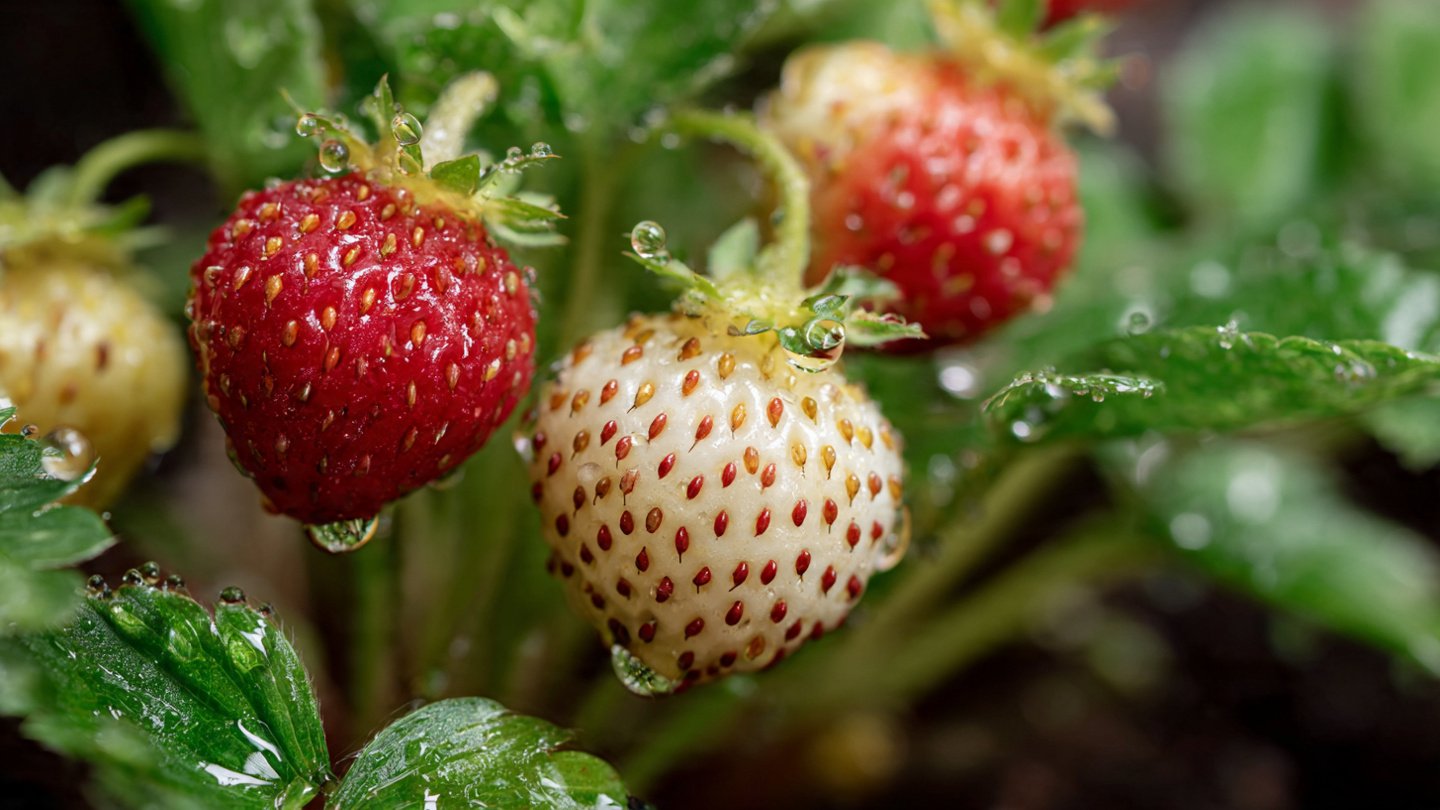
Pineberries are a rare and fascinating variety of strawberry known for their white fruit and subtle pineapple-like flavor. Their unique appearance and taste make them a sought-after addition to home gardens and gourmet kitchens alike. Unlike conventional red strawberries, pineberries are slightly smaller, delicate, and require a little more attention to thrive. However, with the right care, you can enjoy a bountiful harvest of these eye-catching fruits from your own backyard or balcony garden.
This comprehensive guide will walk you through how to successfully grow pineberry strawberries at home, covering everything from plant selection and soil preparation to care, pollination, and harvesting.
Understanding Pineberry Strawberries
Pineberries (a hybrid of Fragaria chiloensis and Fragaria virginiana) are essentially white strawberries with red seeds, offering a sweet flavor reminiscent of pineapple. They are not genetically modified but are a naturally occurring hybrid, prized for their novelty and unique culinary appeal.
Pineberries grow similarly to regular strawberries but are less vigorous, which makes careful attention to soil, light, and water essential. They are perfect for home gardeners seeking a unique fruiting experience and those looking to diversify their edible garden.
Choosing the Right Pineberry Plants
Pineberries are typically propagated through runners rather than seeds because seedlings may not reliably produce true-to-type fruit. Purchasing certified pineberry plants or plugs from a reputable nursery ensures authenticity and better growth potential.
When selecting plants, look for healthy green leaves, firm roots, and no signs of disease or pests. Young, vigorous plants will establish more quickly and produce higher yields in their first fruiting season.
Preparing the Ideal Growing Environment
Pineberries thrive in nutrient-rich, well-draining soil with a slightly acidic to neutral pH (5.5–6.5). Good drainage is crucial because standing water can lead to root rot. If planting in the ground, choose a sunny location that receives at least 6–8 hours of sunlight daily.
For container or raised bed gardening, use a high-quality potting mix amended with organic compost to enhance fertility and retain moisture. Pineberries grow well in containers, hanging baskets, and vertical planters, making them ideal for small spaces, balconies, or patios.
Planting Pineberry Strawberries
Plant pineberries carefully to avoid root damage. If planting in the ground or raised beds:
- Dig holes large enough to accommodate the roots without bending them.
- Space plants approximately 12–15 inches apart to allow for runners and air circulation.
- Ensure the crown of the plant—the point where leaves emerge from roots—is at soil level. Planting too deep or too shallow can inhibit growth.
For container planting:
- Choose a pot at least 12 inches deep with proper drainage holes.
- Fill with a well-draining mix and plant the crown at soil level.
- Avoid overcrowding; one plant per container allows the best fruit development.
After planting, water thoroughly to settle the soil around the roots.
Watering and Moisture Management
Consistent moisture is vital for healthy pineberries, especially during flowering and fruiting. Water regularly to keep the soil evenly moist but not waterlogged. Mulching around plants with straw, wood chips, or shredded leaves helps retain moisture, keeps the fruit clean, and reduces weed growth.
Avoid overhead watering if possible, as wet leaves can encourage fungal diseases. Drip irrigation or watering at the base of plants is ideal.
Fertilizing Pineberry Plants
Pineberries are moderate feeders and respond well to balanced fertilization. Apply a slow-release, all-purpose fertilizer at planting, followed by light feeding every 4–6 weeks during the growing season. Organic options like compost tea or diluted liquid seaweed can also enhance leaf and fruit development.
Avoid excessive nitrogen, which encourages leafy growth at the expense of flowers and fruit. The goal is to promote flowering and fruiting while maintaining healthy foliage.
Supporting Pollination
Pineberries are self-pollinating, but the presence of pollinators like bees can improve fruit set and size. If growing indoors or in a controlled environment, gently shake flowers or use a small brush to transfer pollen between blossoms. Proper pollination ensures larger, well-formed fruits.
Managing Runners and Plant Growth
Pineberries produce runners that can be used to propagate new plants. For optimal fruiting, trim excess runners to direct energy into flowering and fruit development. However, allow a few runners to root in small pots or trays for future propagation.
Regular pruning of old leaves also encourages new growth and improves airflow, reducing the risk of fungal infections.
Preventing Pests and Diseases
Although pineberries are generally hardy, they can be susceptible to common strawberry pests and diseases, including aphids, spider mites, slugs, and powdery mildew.
- Inspect plants regularly and remove damaged leaves.
- Encourage beneficial insects like ladybugs to manage aphids naturally.
- Use physical barriers such as netting or copper tape to protect against slugs.
- Apply organic fungicides if necessary, especially in humid conditions.
Proper spacing, airflow, and cleanliness go a long way in preventing most problems.
Harvesting Pineberries
Pineberries do not turn bright red when ripe. Instead, they transition from pale green to creamy white with soft red seeds on the surface. The fruit should feel slightly firm but yield gently to touch.
Harvest in the morning when temperatures are cooler for the best flavor and shelf life. Regular picking encourages continuous fruiting throughout the season.
Extending the Growing Season
In cooler climates, pineberries may need protection during winter. Container plants can be moved indoors or to sheltered areas. Using row covers or cold frames can also extend the harvest season.
Additionally, pineberries benefit from being grown in succession, with staggered planting of runners or new plants to ensure a continuous supply of fresh fruit.
Enjoying Pineberries
Pineberries are delicious eaten fresh, added to fruit salads, used in desserts, or even infused into beverages. Their unique pineapple-like flavor pairs well with citrus, mint, and creamy dishes. Beyond taste, growing pineberries at home gives you the satisfaction of harvesting rare fruit that is both organic and visually stunning.
Final Thoughts
Growing pineberry strawberries at home is a fun and rewarding project for gardeners looking for something out of the ordinary. By choosing healthy plants, providing ideal soil and sunlight, maintaining consistent moisture, and carefully managing runners and pests, you can enjoy a continuous harvest of these unique fruits.
With patience and proper care, homegrown pineberries provide not only a unique taste experience but also an attractive, edible addition to any garden or balcony. Whether you’re a beginner or an experienced gardener, these white strawberries offer a fresh, exciting way to elevate your homegrown produce collection.
If you want, I can also create a companion guide article focused specifically on container and balcony pineberry cultivation, tailored for small-space urban gardening, which often needs slightly different tips. This can be another 1000-word detailed article. Do you want me to create that next?