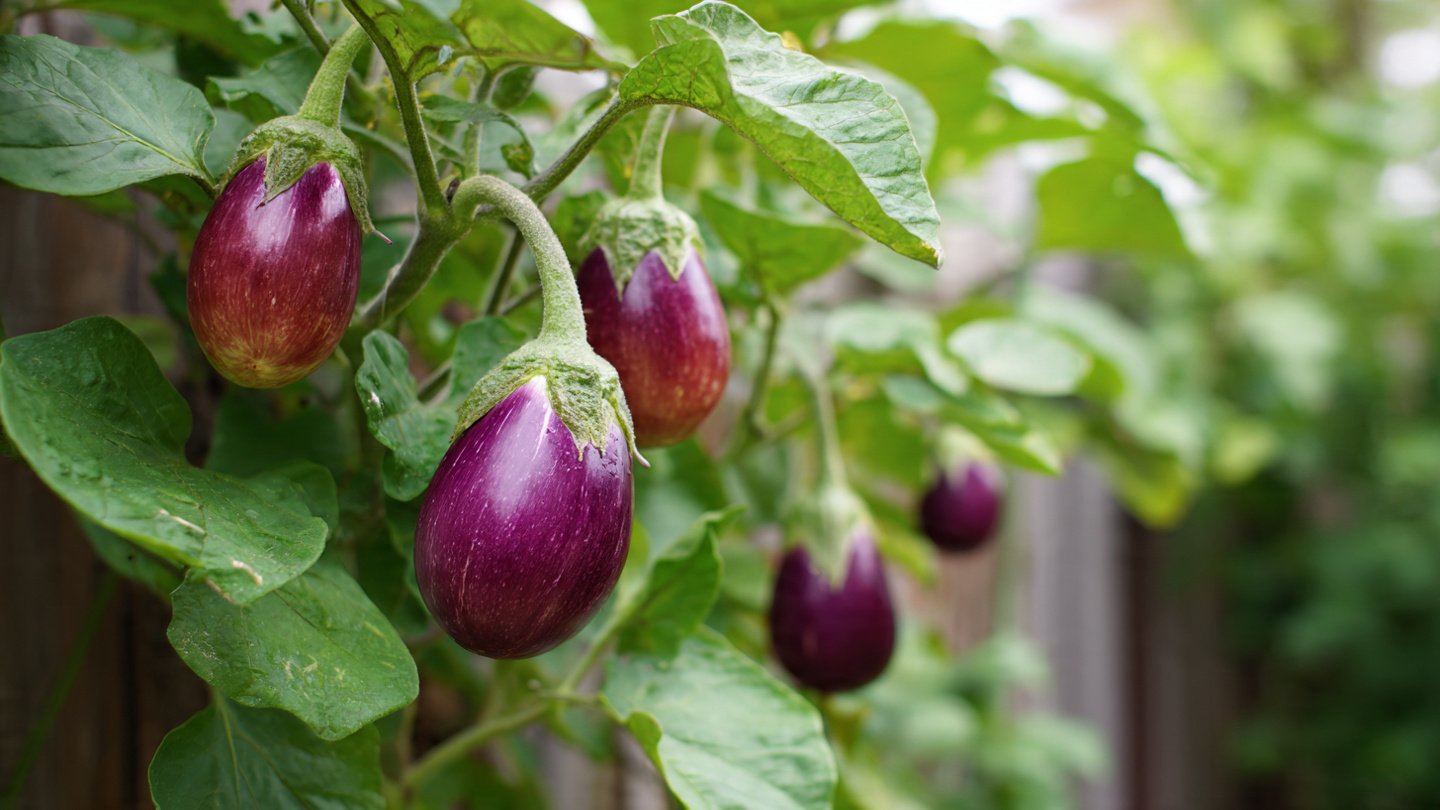
Eggplant, also known as brinjal, is a versatile and rewarding vegetable that thrives beautifully in grow bags. With the right approach, even beginners can enjoy healthy plants, abundant harvests, and rich, delicious flavor. Grow bags are especially useful for gardeners with limited space, poor soil, or balcony and terrace gardens. This guide reveals an easy, practical hack to grow eggplant successfully in grow bags while maximizing both yield and taste.
Why Grow Eggplant in Grow Bags?
Grow bags offer several advantages over traditional ground planting or plastic pots. They are breathable, lightweight, and provide excellent drainage, which is crucial for eggplant roots.
Key benefits include:
- Better root aeration, leading to stronger plants
- Reduced risk of waterlogging and root rot
- Easy mobility to manage sunlight and temperature
- Improved soil control for healthier growth
- Ideal for balconies, terraces, and small gardens
Eggplants love warm conditions and loose soil—both of which grow bags naturally support.
Choosing the Right Eggplant Variety
Not all eggplants perform the same in containers. For grow bags, compact or medium-sized varieties are the best choice. These varieties focus more energy on fruit production rather than excessive foliage.
Good options include:
- Long purple or green types
- Round or oval varieties for container growing
- Early-maturing varieties for faster harvest
Healthy, high-quality seeds or strong nursery seedlings make a big difference in final yield.
Selecting the Perfect Grow Bag
The size of the grow bag directly affects plant health and fruit production.
Recommended grow bag specifications:
- Size: Minimum 12–15 inches deep and wide
- Material: Breathable fabric grow bags
- Drainage: Natural drainage through fabric (no holes needed)
One eggplant plant per grow bag is ideal. Overcrowding reduces airflow and yield.
The Easy Soil Hack for Maximum Yield
The secret to growing delicious eggplants lies in soil preparation. Eggplants are heavy feeders, so nutrient-rich, well-draining soil is essential.
Ideal Soil Mix:
- 40% garden soil or good-quality potting mix
- 30% compost or well-rotted manure
- 20% coco peat for moisture retention
- 10% sand or perlite for drainage
Before planting, mix everything thoroughly and let the soil rest for a day. This balanced mix promotes strong roots, steady growth, and flavorful fruits.
Planting Eggplant in Grow Bags
From Seeds:
- Sow seeds in small seed trays or cups
- Keep soil lightly moist
- Germination occurs in 7–14 days
- Transplant seedlings when they are 10–12 cm tall
From Seedlings (Easier Method):
- Make a small hole in the center of the grow bag
- Place the seedling gently without disturbing roots
- Firm the soil around the base
- Water lightly
Planting in the evening reduces transplant shock.
Sunlight: The Flavor Booster
Eggplants love sunlight. Proper light exposure directly affects flowering, fruit set, and taste.
- Provide 6–8 hours of direct sunlight daily
- Move grow bags to the sunniest location available
- In extreme heat, light afternoon shade prevents stress
More sunlight equals sweeter, better-flavored eggplants.
Smart Watering for Healthy Plants
Watering is where many gardeners go wrong. Eggplants need consistent moisture but hate soggy soil.
Best watering practices:
- Water deeply when the topsoil feels dry
- Avoid daily shallow watering
- Ensure excess water drains freely
- Water early morning or evening
Irregular watering can cause flower drop and bitter fruits.
Feeding Hack for More Fruits
Eggplants are heavy feeders, and regular nutrition is key to high yields.
Organic Feeding Schedule:
- Mix compost into soil before planting
- Apply liquid compost or vermiwash every 10–15 days
- Add banana peel water or potassium-rich organic feed during flowering
- Avoid excessive nitrogen once flowering begins
Balanced feeding promotes more flowers, better fruit set, and improved taste.
Simple Pruning Trick to Boost Yield
One easy hack many gardeners overlook is pruning.
- Remove yellow or damaged leaves
- Trim excess side shoots below the first flower
- Improve airflow around the plant
Pruning redirects energy toward fruit production instead of unnecessary foliage.
Supporting the Plant Properly
As eggplants grow and fruit develops, branches can bend or break.
- Insert a bamboo stick or stake into the grow bag
- Tie the main stem loosely for support
- Prevent fruits from touching the soil
Proper support keeps plants upright and healthy.
Encouraging More Flowers and Fruits
Sometimes eggplants flower but fail to set fruit. This is usually due to heat stress, nutrient imbalance, or poor pollination.
Easy solutions:
- Gently shake plants in the morning to aid pollination
- Maintain consistent watering
- Ensure adequate potassium and phosphorus
- Avoid extreme temperature stress
Healthy flowers mean more eggplants.
Pest and Disease Management
Grow bags naturally reduce pest problems, but occasional issues may occur.
Common problems and fixes:
- Aphids or whiteflies: Spray neem oil solution weekly
- Leaf spots: Remove affected leaves and improve airflow
- Wilting: Check watering and drainage
Regular inspection prevents small problems from becoming serious.
Harvesting for Best Flavor
Harvesting at the right time ensures tender texture and rich flavor.
- Harvest when fruits are glossy and firm
- Avoid letting fruits over-mature
- Use a sharp knife or scissors
- Regular harvesting encourages more fruit production
Overripe eggplants become bitter and reduce future yield.
How Long Will Eggplant Produce in Grow Bags?
With proper care, a single eggplant plant can produce fruits continuously for 3–4 months. Regular feeding, pruning, and harvesting significantly extend the productive period.
Common Mistakes to Avoid
- Using small grow bags
- Poor soil preparation
- Overwatering or underwatering
- Ignoring pruning
- Skipping regular feeding
Avoiding these mistakes ensures healthier plants and better harvests.
Final Thoughts
Growing eggplant in grow bags is an easy, efficient, and highly rewarding method for home gardeners. With the right soil mix, consistent care, and a few smart hacks like pruning and balanced feeding, you can enjoy abundant harvests of flavorful eggplants even in small spaces.
Whether you garden on a balcony, terrace, or backyard corner, this grow bag method empowers you to grow fresh, delicious eggplants at home. Start with one plant, follow these simple steps, and soon you’ll be harvesting homegrown eggplants that are richer in taste and nutrition than anything from the market.