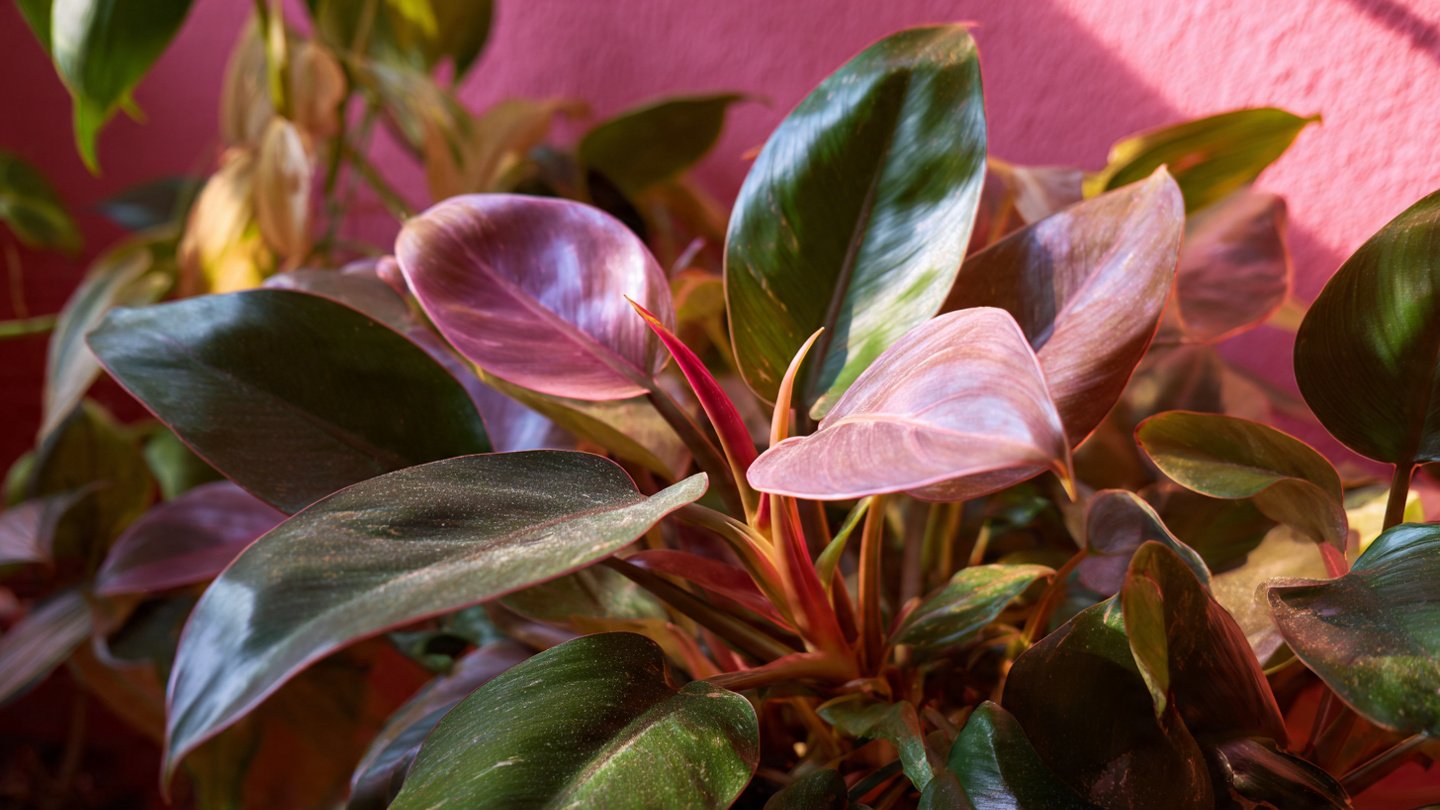
The Philodendron Pink Princess has become one of the most sought-after houseplants in recent years, admired for its dramatic dark green leaves splashed with vibrant pink variegation. While it may look exotic and rare, this plant can thrive indoors when given the right care. Understanding its needs is the key to maintaining rich coloration, strong growth, and long-term health.
This in-depth guide will walk you through everything you need to know about successfully growing Philodendron Pink Princess indoors, from light and watering to pruning, propagation, and common mistakes to avoid.
Understanding Philodendron Pink Princess
Philodendron Pink Princess is a tropical aroid known for its heart-shaped leaves and unpredictable pink variegation. Each leaf is unique—some may show subtle pink streaks, while others display bold splashes or even half-pink patterns. Because of this rarity and beauty, the plant is often considered a collector’s item.
Despite its luxurious appearance, Pink Princess is not overly difficult to care for. It simply requires consistency, patience, and the right indoor environment.
Choosing the Right Location Indoors
Location plays a crucial role in the success of this plant. Philodendron Pink Princess thrives in bright, indirect light. A spot near an east- or south-facing window with filtered sunlight is ideal. Direct sunlight can scorch the leaves, while low light conditions can cause the plant to lose its pink variegation and revert to plain green leaves.
If natural light is limited, using a grow light for 10–12 hours a day can help maintain both healthy growth and vibrant coloration.
Light and Variegation Balance
Pink variegation occurs due to a lack of chlorophyll in certain leaf sections. While this gives the plant its beauty, it also means those pink areas cannot photosynthesize efficiently. As a result, the plant needs sufficient light to support energy production without damaging the leaves.
Too little light leads to slower growth and fading pink tones. Too much direct sun causes leaf burn. The balance of bright, indirect light is essential for keeping the plant both colorful and healthy.
Ideal Temperature and Humidity
As a tropical plant, Philodendron Pink Princess prefers warm temperatures between 18–27°C. Avoid exposing it to cold drafts, air conditioners, or sudden temperature changes, which can stress the plant and cause leaf drop.
Humidity is equally important. This plant thrives in moderate to high humidity levels (above 50%). In dry indoor environments, especially during winter, using a humidifier or placing the plant on a pebble tray can significantly improve leaf quality and prevent browning edges.
Soil Requirements for Healthy Roots
Well-draining soil is critical. Pink Princess does not tolerate soggy roots, which can lead to rot. A loose, airy mix works best—combine high-quality potting soil with perlite, orchid bark, or coco chips to improve drainage and airflow.
The goal is to retain enough moisture for the roots without trapping excess water. Avoid heavy garden soil, which compacts easily and restricts oxygen flow.
Watering the Right Way
Watering mistakes are one of the most common reasons Philodendron Pink Princess struggles indoors. Water only when the top 2–3 inches of soil feel dry. Insert your finger into the soil to check moisture rather than following a fixed schedule.
When watering, do so thoroughly until excess water drains from the bottom of the pot. Always empty the saucer afterward to prevent standing water. Overwatering leads to yellowing leaves and root rot, while underwatering causes drooping and crispy edges.
Feeding and Fertilization
To support steady growth and healthy foliage, feed your plant during the growing season (spring and summer). Use a balanced liquid houseplant fertilizer every 4–6 weeks at half strength.
Avoid over-fertilizing, as this can cause salt buildup and damage the roots. During fall and winter, reduce or stop feeding, as the plant’s growth naturally slows.
Pruning for Shape and Color
Pruning helps maintain a compact shape and encourages fresh growth. Remove leggy stems, damaged leaves, or sections that produce mostly green foliage if you want to encourage more pink variegation.
Always use clean, sharp pruning tools to prevent disease. Pruning also redirects energy to healthier parts of the plant, improving overall appearance.
Supporting Growth with a Moss Pole
Philodendron Pink Princess is a climbing plant in its natural habitat. Indoors, providing a moss pole or support stake allows it to grow upright and develop larger, more mature leaves.
Climbing support also improves airflow and light exposure, which can enhance leaf size and variegation over time.
Propagation Tips for Pink Princess
Propagation is usually done through stem cuttings. Choose a healthy stem with at least one node and aerial root. Place the cutting in water, sphagnum moss, or a well-draining soil mix.
Keep the cutting in warm, humid conditions with indirect light. Roots typically develop within a few weeks. Propagation not only creates new plants but also helps manage leggy growth on the parent plant.
Common Problems and How to Fix Them
- Loss of pink color: Increase indirect light exposure.
- Yellow leaves: Often caused by overwatering or poor drainage.
- Brown edges: Low humidity or underwatering.
- Slow growth: Insufficient light or lack of nutrients.
Regular observation helps catch issues early and prevents long-term damage.
Long-Term Care and Patience
Philodendron Pink Princess is a slow to moderate grower. Its beauty lies in its gradual development and unpredictable variegation. Consistency in care matters more than frequent adjustments. Once the plant is settled in the right conditions, it can thrive for many years as a stunning indoor centerpiece.
Final Thoughts
Growing Philodendron Pink Princess indoors is a rewarding experience for both beginner and experienced plant lovers. While it demands attention to light, watering, and humidity, it is far from impossible to care for. With the right environment and thoughtful maintenance, this striking plant will reward you with bold pink foliage and steady growth.
By following these expert tips, you can confidently nurture a healthy, vibrant Philodendron Pink Princess that transforms your indoor space into a lush, tropical display.