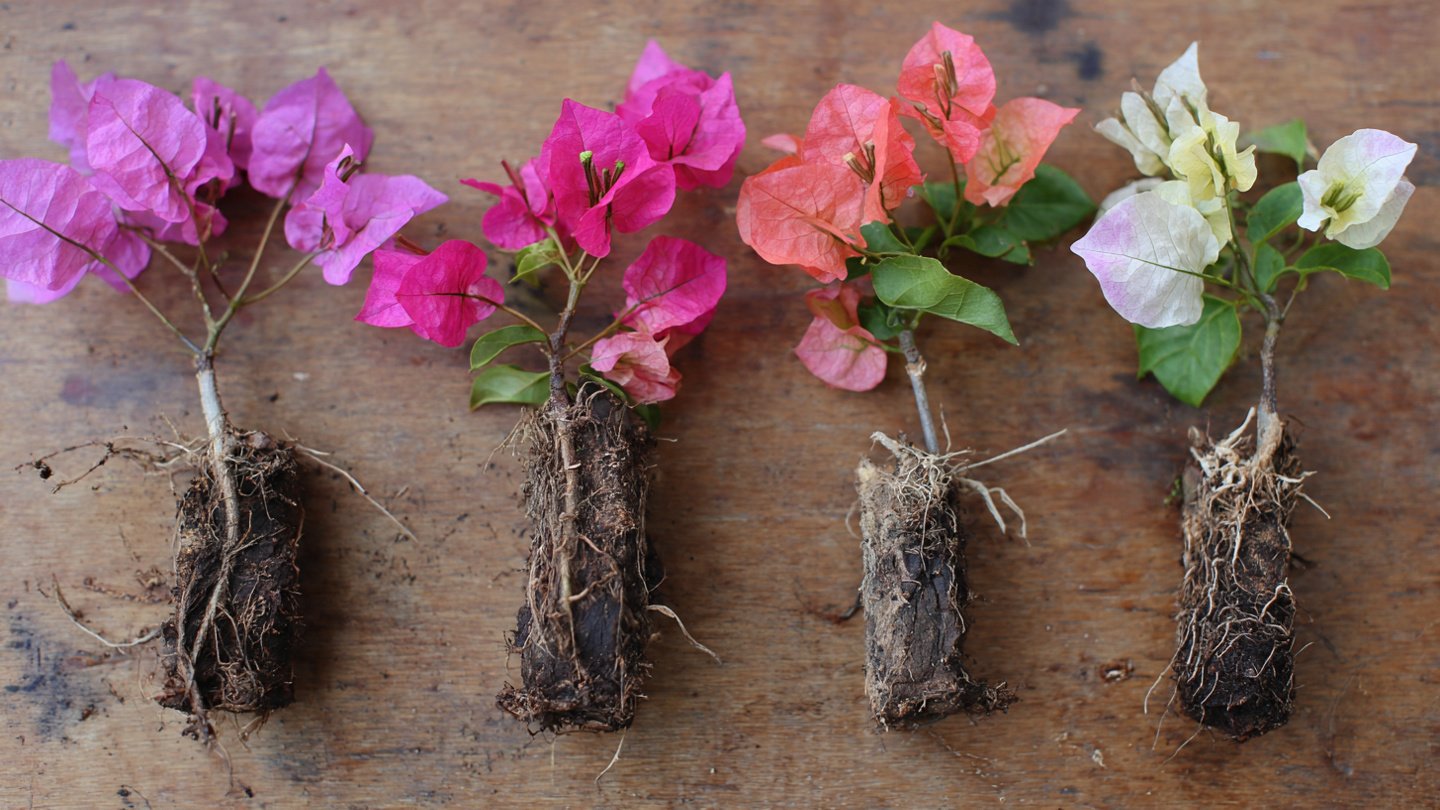
Bougainvillea is one of the most vibrant and rewarding ornamental plants you can grow at home. Known for its brilliant, papery bracts and vigorous growth, this plant can quickly transform balconies, gardens, and compound walls into colorful displays. While bougainvillea can be grown from seeds, the most reliable and fastest way to get a healthy, flowering plant is through cuttings. With the right technique and a little patience, you can easily turn bougainvillea cuttings into strong, thriving plants.
This comprehensive guide explains everything you need to know—from selecting the right cutting to long-term care—so even beginners can succeed.
Why Grow Bougainvillea from Cuttings?
Growing bougainvillea from cuttings offers several advantages. Plants grown this way are true to the parent plant, meaning you’ll get the same flower color and growth habit. Cuttings also establish faster than seeds and usually begin flowering sooner. This method is cost-effective and allows you to multiply a favorite variety without buying new plants.
Additionally, bougainvillea is naturally hardy once established, making it an excellent choice for warm climates and low-maintenance gardens.
Choosing the Right Time for Propagation
Timing plays an important role in successful rooting. The best time to propagate bougainvillea cuttings is during the warm growing season, usually spring or early summer. At this time, the plant is actively growing, which encourages faster root development.
Avoid taking cuttings during extreme heat or cold, as temperature stress can reduce rooting success. Mild warmth and consistent conditions give the best results.
Selecting Healthy Bougainvillea Cuttings
Start by choosing a healthy, disease-free parent plant with strong growth. Semi-hardwood cuttings work best—these are stems that are neither too soft nor fully woody.
Cut a section about 6–8 inches long using clean, sharp pruning shears. Make the cut just below a leaf node, as this is where roots are most likely to form. Remove flowers and buds from the cutting, since flowering diverts energy away from root development.
Preparing the Cuttings Properly
Once the cutting is taken, remove the lower leaves, leaving only two or three at the top. This reduces moisture loss while still allowing photosynthesis. If the remaining leaves are large, you can trim them in half to further reduce water loss.
Allowing the cut end to dry for an hour before planting can help prevent rot. Optionally, dipping the cut end in a rooting hormone can improve success rates, though bougainvillea can root without it if conditions are right.
Choosing the Best Soil Mix
Bougainvillea prefers well-draining soil, and this is especially important during propagation. Heavy or water-retentive soil can cause cuttings to rot before roots develop.
A good rooting mix includes garden soil combined with sand, perlite, or coco peat. This creates a loose structure that holds moisture while allowing excess water to drain easily. Fill small pots or polybags with the prepared mix and lightly moisten it before planting.
Planting the Cuttings Correctly
Insert the cutting about 2–3 inches deep into the soil, ensuring at least one node is buried. Press the soil gently around the cutting to hold it upright and remove air pockets.
Water lightly after planting to settle the soil. Avoid soaking the pot, as excess moisture can delay or prevent rooting. Place the pots in a warm, bright location with indirect sunlight.
Creating the Right Environment for Rooting
Humidity and warmth are key factors in successful propagation. Covering the pot loosely with a transparent plastic bag can help retain moisture and create a greenhouse-like effect. Make small holes in the plastic for airflow to prevent fungal growth.
Keep the cuttings in indirect light, as direct sun can dry them out before roots form. Maintain consistent moisture by watering lightly whenever the soil surface feels dry.
How Long Rooting Takes
Bougainvillea cuttings typically take 3–6 weeks to develop roots, depending on temperature and care. You may notice new leaf growth before roots fully form, which is a good sign but not a guarantee of success.
To check rooting, gently tug the cutting after a few weeks. Resistance indicates root development. Avoid disturbing the cutting too often, as this can damage new roots.
Transplanting Rooted Cuttings
Once the cutting has developed a healthy root system and shows steady new growth, it’s ready for transplanting. Move it to a slightly larger pot with well-draining soil suitable for mature plants.
Handle the roots carefully during transplanting to avoid shock. Water lightly after transplanting and keep the plant in partial shade for a few days while it adjusts.
Caring for Young Bougainvillea Plants
Young bougainvillea plants require gentle care during their early stages. Water sparingly, allowing the soil to dry slightly between watering. Bougainvillea prefers drier conditions and does not thrive in constantly wet soil.
Gradually expose the plant to more sunlight. Full sun is essential for strong growth and abundant flowering, but sudden exposure can stress young plants. Over a few weeks, increase sunlight exposure until the plant receives at least 5–6 hours of direct sun daily.
Encouraging Strong Growth and Flowering
Bougainvillea flowers best when slightly stressed, meaning it does not require frequent watering or heavy feeding. Once established, feed the plant with a balanced or low-nitrogen fertilizer every few weeks during the growing season.
Pruning helps shape the plant and encourages branching, which leads to more flowers. Light pruning after flowering promotes fresh growth and keeps the plant compact.
Common Mistakes to Avoid
Some common errors can slow down or prevent successful propagation:
- Overwatering cuttings
- Using heavy, poorly draining soil
- Placing cuttings in direct sunlight too early
- Taking cuttings from weak or diseased plants
Avoiding these mistakes greatly improves success rates.
Final Thoughts on Growing Bougainvillea from Cuttings
Transforming bougainvillea cuttings into thriving plants is a rewarding and cost-effective way to expand your garden. With proper cutting selection, well-draining soil, controlled moisture, and patience, even beginners can achieve excellent results.
Once established, bougainvillea rewards you with vigorous growth and stunning color for years to come. By following this simple guide, you can confidently propagate bougainvillea at home and enjoy a vibrant, flowering display that enhances any outdoor or indoor space.