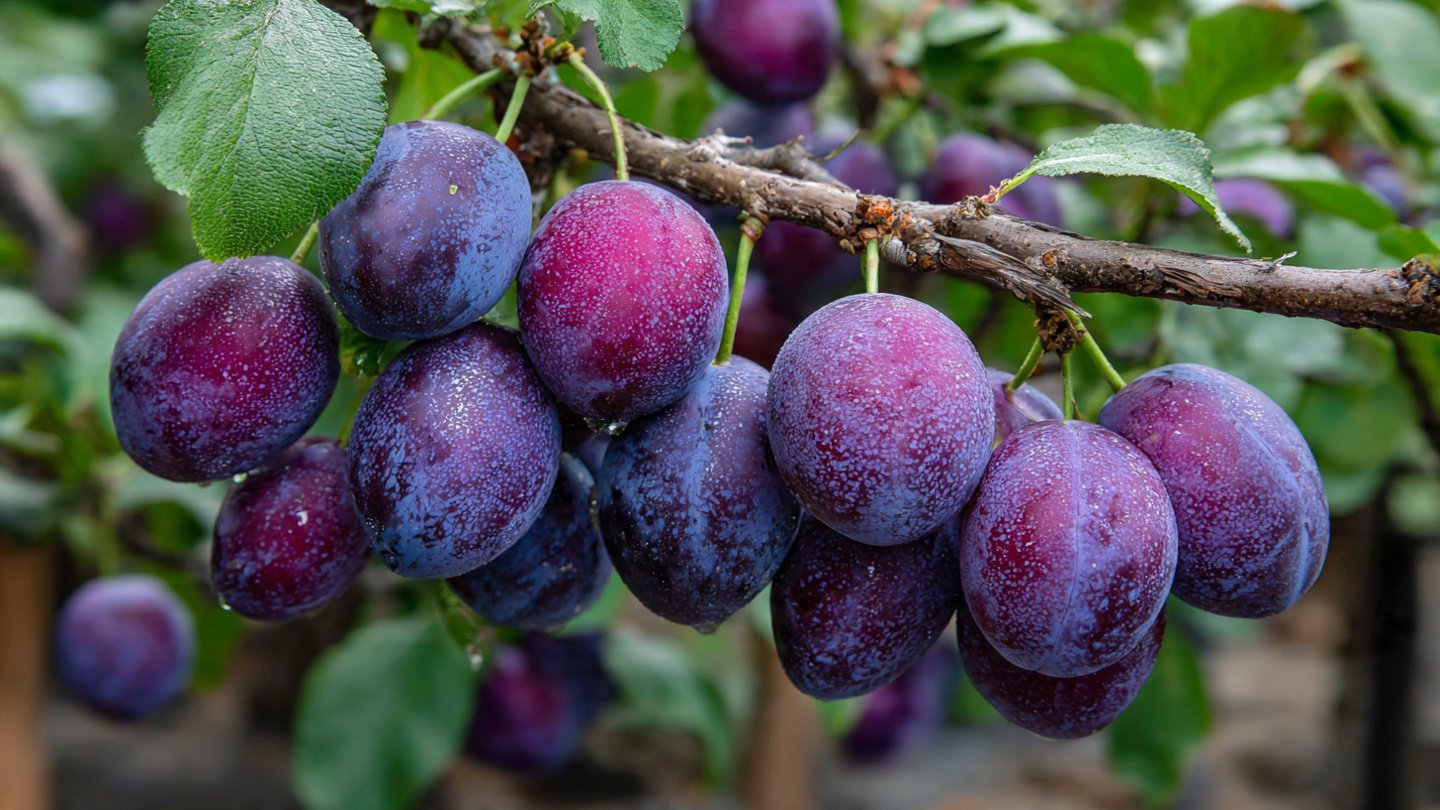
Growing plum trees in northern or colder climates may seem challenging, but with the right techniques, proper variety selection, and consistent care, it can be highly rewarding. Plum trees are hardy fruit producers, and many varieties are well adapted to withstand cold winters while still delivering delicious harvests. Whether you are a home gardener or an aspiring orchard grower, understanding how to work with your climate is the key to long-term success.
This full guide explains the best techniques for growing plums successfully in northern climates, covering everything from choosing the right varieties to winter protection and harvesting.
Understanding the Challenges of Northern Climates
Northern climates are typically characterized by long winters, freezing temperatures, late spring frosts, and shorter growing seasons. These conditions can affect flowering, pollination, and fruit development if not managed properly.
The main challenges include:
- Winter cold damaging buds and branches
- Late frosts killing spring blossoms
- Short summers limiting fruit ripening
- Soil that remains cold and wet for extended periods
By adapting your growing methods, you can turn these challenges into manageable factors rather than obstacles.
Choosing the Right Plum Varieties
Selecting cold-hardy plum varieties is the most important step. Not all plums tolerate freezing temperatures, so variety choice directly determines success.
Plum varieties generally fall into three main groups:
- European plums: Known for excellent cold tolerance and reliability
- American plums: Extremely hardy and well-suited for harsh winters
- Hybrid plums: Bred specifically for cold climates and disease resistance
Look for varieties that are rated for your specific hardiness zone and have a proven record of surviving cold winters and late frosts.
Selecting the Ideal Planting Location
Proper site selection plays a major role in protecting plum trees from extreme cold and frost damage.
Ideal location tips:
- Choose a spot with full sun (at least 6–8 hours daily)
- Avoid low-lying areas where cold air settles
- Plant on a gentle slope to improve air drainage
- Provide protection from strong winter winds
Sunlight is essential not only for fruit ripening but also for keeping trees healthy and resilient.
Preparing the Soil for Cold-Climate Success
Healthy soil helps plum trees establish strong roots before winter sets in. In northern climates, soil preparation is especially important because roots must endure long periods of cold.
Soil preparation guidelines:
- Use well-draining soil to prevent root rot
- Incorporate organic matter such as compost
- Maintain a slightly acidic to neutral pH
- Avoid heavy clay unless amended for drainage
Well-prepared soil warms faster in spring, giving your tree a strong start to the growing season.
Proper Planting Techniques
Timing and technique matter greatly in cold regions. Spring planting is generally recommended, allowing trees to establish before winter.
Planting steps:
- Dig a hole twice as wide as the root ball
- Position the tree so the graft union remains above soil level
- Backfill with amended soil and gently firm it
- Water thoroughly after planting
- Apply mulch to conserve moisture and regulate temperature
Avoid fall planting in extremely cold areas, as young trees may not establish well before freezing temperatures arrive.
Watering Practices in Cooler Regions
Although plum trees need regular moisture, overwatering can be harmful in cooler climates where evaporation is slower.
Watering tips:
- Water deeply but less frequently
- Allow soil to dry slightly between watering
- Reduce watering as temperatures drop in fall
- Avoid waterlogged soil during winter dormancy
Consistent moisture during flowering and fruit development is essential, but drainage is equally important.
Fertilizing for Strong Growth and Fruit Production
Plum trees in northern climates benefit from balanced nutrition, but excessive fertilization can lead to weak growth that is vulnerable to winter damage.
Fertilization guidelines:
- Apply compost or balanced fertilizer in early spring
- Avoid high nitrogen late in the season
- Feed young trees lightly to encourage root development
- Focus on potassium and phosphorus for fruiting trees
Proper nutrition strengthens branches and improves cold resistance.
Pruning for Cold-Climate Plum Trees
Pruning helps maintain tree structure, encourages airflow, and improves fruit quality. In northern climates, timing is critical.
Pruning tips:
- Prune in late winter or early spring while trees are dormant
- Remove dead, damaged, or crossing branches
- Maintain an open center or central leader shape
- Avoid heavy pruning in fall, which can trigger new growth
Well-pruned trees are better able to withstand snow loads and winter stress.
Protecting Plum Trees During Winter
Winter protection is essential, especially for young trees. Extreme cold and temperature fluctuations can cause bark damage and root injury.
Winter protection methods:
- Apply a thick layer of mulch around the base
- Wrap trunks with tree guards to prevent sunscald
- Protect from rodents using mesh guards
- Avoid fertilizer late in the growing season
These steps help stabilize soil temperature and prevent damage during freeze-thaw cycles.
Managing Pollination and Late Frosts
Many plum varieties require cross-pollination, and late frosts can interfere with flowering.
Helpful strategies:
- Plant compatible varieties nearby
- Encourage pollinators with flowering plants
- Cover trees during unexpected spring frosts
- Choose later-blooming varieties to avoid frost damage
Good pollination ensures better fruit set and higher yields.
Harvesting Plums in Short Growing Seasons
In northern climates, timing the harvest correctly is crucial.
Harvesting tips:
- Pick fruit when fully colored and slightly soft
- Harvest promptly to avoid frost damage
- Allow fruits to ripen indoors if needed
- Handle gently to prevent bruising
Proper harvesting ensures the best flavor and storage quality.
Long-Term Care and Maintenance
Consistency over the years leads to stronger trees and more reliable harvests.
Seasonal maintenance includes:
- Annual soil enrichment
- Regular pest and disease monitoring
- Adjusting watering based on weather
- Observing tree health throughout the seasons
Plum trees often become more productive as they mature, especially when well cared for.
Final Thoughts
Growing plums successfully in northern climates is entirely achievable with the right approach. By choosing cold-hardy varieties, preparing soil carefully, protecting trees during winter, and managing seasonal care wisely, you can enjoy healthy plum trees and satisfying harvests even in colder regions.
Patience, planning, and consistency are the keys. With time, your plum trees will reward you with beautiful blossoms, resilient growth, and delicious fruit—proving that cold climates are no barrier to successful plum cultivation.