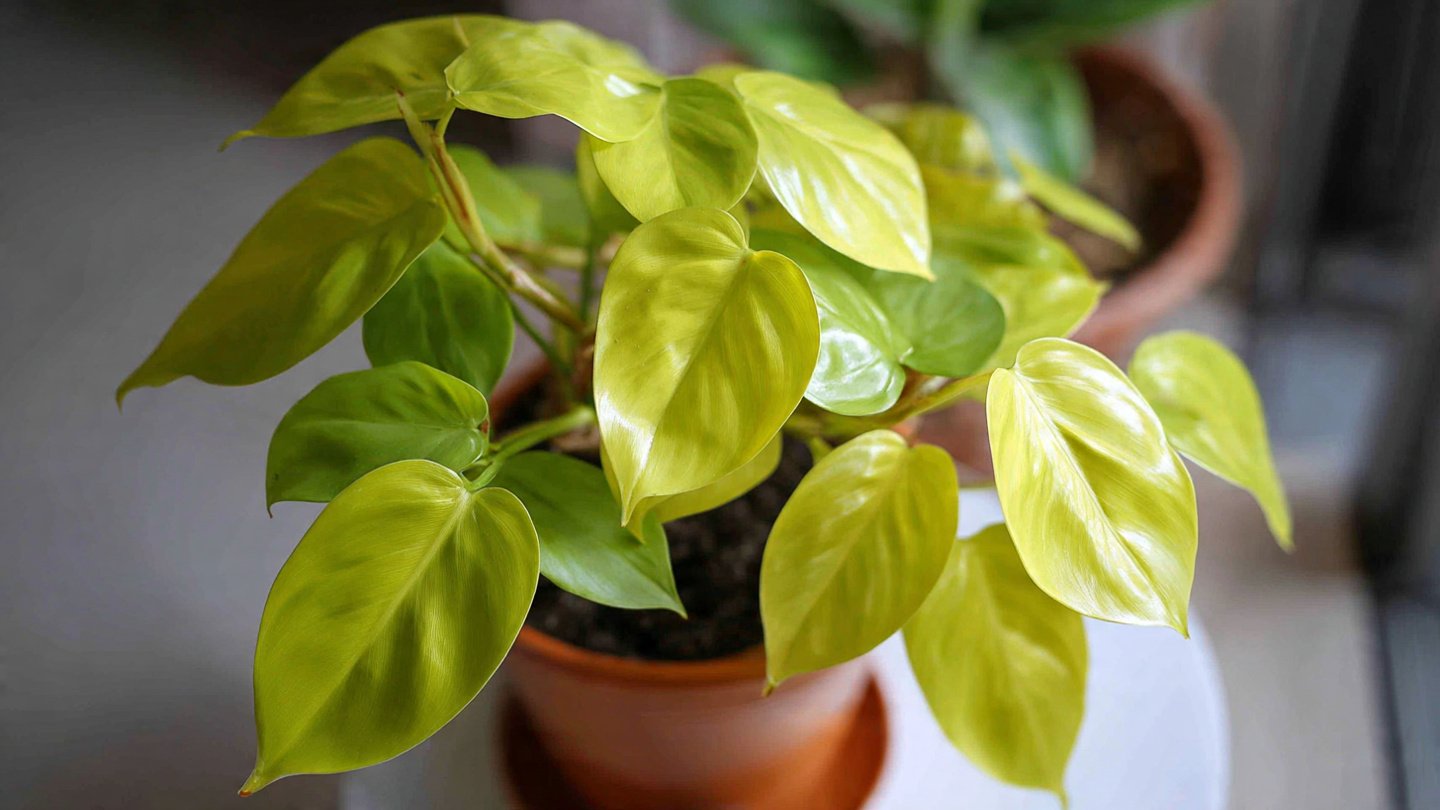
Philodendrons have long been a favorite among indoor plant enthusiasts, and the Philodendron Lemon Lime stands out for its vibrant, chartreuse foliage and easy-going nature. Known for its bright, almost neon leaves that add a splash of color to any room, the Lemon Lime philodendron is both an aesthetic and low-maintenance indoor plant. Whether you are a seasoned plant parent or a beginner looking to start your indoor jungle, understanding the care requirements and propagation techniques for this plant will help you cultivate a thriving specimen.
This ultimate guide will cover everything you need to know about successfully growing Philodendron Lemon Lime indoors, including light, watering, soil, propagation, and troubleshooting common problems.
Why Philodendron Lemon Lime Is a Popular Indoor Plant
Philodendron Lemon Lime is highly sought after for several reasons:
- Striking Foliage: The bright yellow-green leaves make it a statement plant, brightening up any indoor space.
- Easy Maintenance: It tolerates a range of indoor conditions and is forgiving of occasional neglect.
- Air Purifying: Like many philodendrons, it helps remove toxins from indoor air.
- Versatile Growth: Can be grown as a trailing plant or trained on a moss pole for a climbing effect.
Its combination of aesthetic appeal and resilience makes it a must-have for both novice and experienced plant collectors.
Choosing the Right Philodendron Lemon Lime
The first step to success is selecting a healthy plant. Here’s what to look for:
- Healthy Leaves: Choose plants with vibrant, undamaged leaves free from yellowing, browning, or pests.
- Strong Roots: If buying a potted plant, gently remove it from the container to check that the roots are firm and white, not mushy or brown.
- Size: Smaller plants are easier to acclimate to indoor environments, but larger plants offer immediate impact.
- Source: Purchase from reputable nurseries or plant shops to avoid disease or pest infestations.
Ideal Indoor Environment
Creating a suitable environment is key to thriving Lemon Lime philodendrons:
Light
- Bright, indirect light is ideal. The plant’s vibrant leaves may lose their color or burn in direct sunlight.
- Tolerates moderate low light but will grow more slowly and produce smaller leaves.
- Rotate the plant occasionally to encourage even growth.
Temperature
- Prefers temperatures between 65–80°F (18–27°C).
- Protect from cold drafts and temperatures below 55°F (13°C), which can slow growth or damage leaves.
Humidity
- Lemon Lime philodendrons thrive in moderate to high humidity.
- Use a humidity tray, humidifier, or mist leaves occasionally if your indoor environment is dry.
Choosing the Right Pot and Soil
A well-draining pot and nutrient-rich soil are essential:
- Pot: Select a container with drainage holes to prevent waterlogging. A pot slightly larger than the root ball works best.
- Soil Mix: Use a mix of peat moss, perlite, and orchid bark or a high-quality indoor plant potting mix. This combination ensures proper aeration and moisture retention.
- Optional Additions: Adding charcoal or coconut coir can improve drainage and reduce root rot risk.
Watering Philodendron Lemon Lime
Proper watering is crucial for healthy growth:
- Frequency: Water when the top 1–2 inches of soil feels dry. Overwatering is a common cause of root rot.
- Method: Water thoroughly until it drains from the bottom, then empty the saucer to prevent water accumulation.
- Signs of Underwatering: Drooping or curling leaves indicate the plant needs more water.
- Signs of Overwatering: Yellowing leaves, mushy stems, or moldy soil indicate too much water.
Fertilizing for Vibrant Growth
Fertilizing ensures healthy, vibrant foliage:
- Type: Use a balanced liquid fertilizer or slow-release indoor plant fertilizer.
- Frequency: Feed every 4–6 weeks during the growing season (spring and summer).
- Dilution: Always dilute liquid fertilizer to half strength to avoid nutrient burn.
- Winter Care: Reduce or stop fertilizing during the dormant winter months when growth slows.
Pruning and Training
Pruning helps maintain shape and encourages fuller growth:
- Pruning: Trim any yellow, damaged, or leggy stems. Cut just above a node to encourage branching.
- Training: Philodendron Lemon Lime can trail or climb. Use a moss pole or trellis to support vertical growth.
- Propagation: Cuttings taken during pruning can be propagated to create new plants.
Propagating Philodendron Lemon Lime
Propagation is a great way to multiply your plant collection:
Stem Cuttings
- Select a Healthy Stem: Choose a stem with at least 2–3 nodes and vibrant leaves.
- Make the Cut: Use a sterile, sharp knife or scissors to cut just below a node.
- Rooting: Place the cutting in water or a moist soil mix. Roots typically develop within 2–4 weeks.
- Transplanting: Once roots are 2–3 inches long, transfer the cutting to a pot with well-draining soil.
Propagation allows you to expand your collection or share plants with friends.
Common Problems and Solutions
Even a resilient plant can face challenges indoors:
- Yellow Leaves: Can result from overwatering, low humidity, or insufficient light. Adjust care accordingly.
- Brown Leaf Tips: Often caused by dry air, low humidity, or inconsistent watering. Mist leaves or increase humidity.
- Leggy Growth: Insufficient light can lead to long, weak stems. Move to brighter indirect light.
- Pests: Common pests include spider mites, mealybugs, and aphids. Wipe leaves with a damp cloth or treat with insecticidal soap.
- Root Rot: Caused by waterlogged soil. Repot in fresh, well-draining soil and trim affected roots.
Encouraging Healthy Growth
To ensure your Philodendron Lemon Lime thrives:
- Rotate the Plant: Rotate periodically to ensure even light exposure.
- Maintain Humidity: Keep humidity levels consistent to prevent leaf stress.
- Regular Pruning: Remove old or damaged leaves to encourage new growth.
- Avoid Stress: Sudden temperature changes, drafts, or overwatering can cause leaf drop.
Aesthetic and Functional Benefits
- Interior Decor: Bright leaves make it an ideal focal point in living rooms, offices, or bedrooms.
- Air Purification: Philodendrons are known to help remove toxins like formaldehyde from indoor air.
- Mood Boost: Indoor plants, especially vibrant foliage plants, can improve mental well-being and reduce stress.
Tips for Long-Term Success
- Choose the Right Spot: Bright, indirect sunlight is essential for leaf vibrancy.
- Monitor Watering: Stick to a consistent watering routine and adjust for seasonal changes.
- Feed Appropriately: Fertilize during growth periods and avoid overfeeding.
- Repot When Necessary: Repot every 1–2 years or when the plant becomes root-bound.
- Watch for Pests: Early detection and treatment prevent infestations from spreading.
- Propagation: Use cuttings to create new plants and refresh your indoor greenery.
Conclusion
Philodendron Lemon Lime is an exceptional choice for indoor gardening, combining striking aesthetic appeal with low-maintenance care. Its bright foliage brings color and energy to any indoor space, while its resilience makes it suitable for both beginners and seasoned plant collectors. By providing the right light, water, soil, and occasional pruning, you can cultivate a healthy, thriving Lemon Lime philodendron that will grow and brighten your home for years.
With proper care and attention to propagation, pruning, and pest management, this plant can be a centerpiece of your indoor plant collection. Whether you prefer trailing vines on a shelf, climbing stems on a moss pole, or multiple plants creating a lush green corner, the Philodendron Lemon Lime offers versatility and visual impact, making it a must-have for any indoor plant enthusiast.