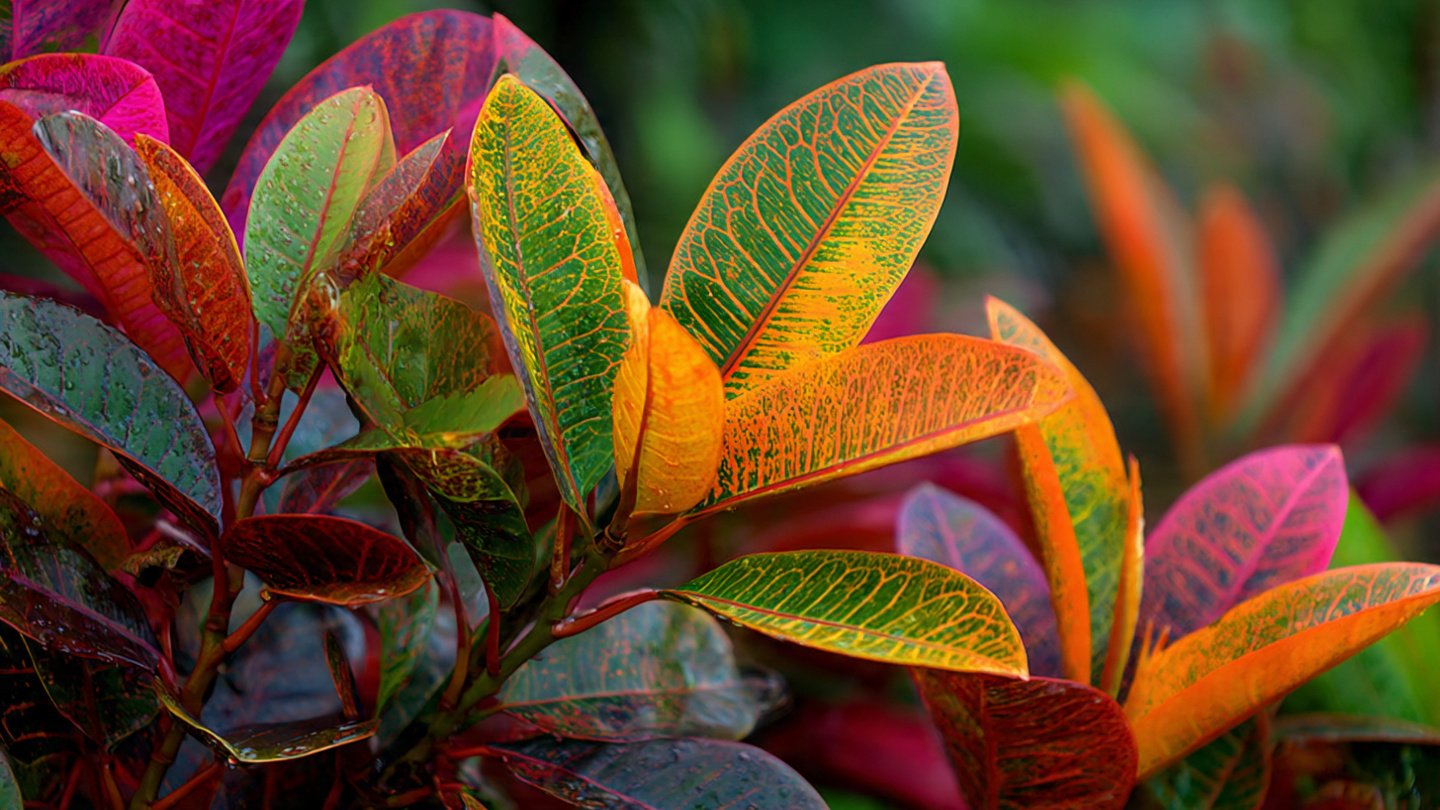
Croton plants are among the most visually striking ornamental shrubs used in home gardens today. Known for their bold foliage painted in shades of green, yellow, red, orange, and even purple, crotons can transform a plain boundary into a living wall of color. When planted and maintained correctly, a multi-color croton hedge becomes a long-lasting focal point that enhances the beauty of any landscape. This article explores the best practices for growing a vibrant, healthy croton hedge that thrives year after year.
Why Choose Croton for a Garden Hedge?
Crotons are evergreen shrubs valued primarily for their colorful leaves rather than flowers. Unlike many hedging plants that stay uniformly green, crotons offer dynamic color changes throughout the year, especially in warm climates. Their dense growth habit makes them ideal for privacy screens, boundary lines, or decorative garden dividers.
Additional benefits include:
- Strong visual impact with minimal flowering dependency
- Good tolerance to pruning and shaping
- Suitability for tropical and subtropical gardens
Selecting the Right Croton Varieties
To achieve a true multi-color hedge, variety selection is crucial. Different croton types display different leaf shapes and color patterns. Mixing varieties creates depth and contrast, giving your hedge a layered, artistic look.
Tips for Variety Selection
- Combine broad-leaf and narrow-leaf types
- Choose plants with dominant red, yellow, orange, and green tones
- Select healthy, pest-free nursery plants of similar height
Using uniform plant sizes helps the hedge establish evenly.
Ideal Location and Sunlight Requirements
Sunlight plays a major role in leaf coloration. Crotons grown in optimal light conditions develop brighter and more intense colors.
Light Needs
- Full sun to partial shade is ideal
- At least 4–6 hours of sunlight daily enhances coloration
- Too much shade may cause leaves to turn dull green
Choose a location protected from strong winds, as croton leaves can tear easily.
Soil Preparation for a Healthy Hedge
Healthy soil is the foundation of a vibrant croton hedge. Crotons prefer rich, well-draining soil that retains moisture without becoming waterlogged.
Preparing the Planting Area
- Dig a continuous trench instead of individual holes
- Loosen soil to a depth of 12–15 inches
- Mix in compost, well-rotted manure, or organic matter
Good soil preparation encourages strong root development and uniform growth across the hedge.
Proper Spacing for Dense Growth
Correct spacing ensures that plants grow together to form a solid hedge without competing excessively for nutrients.
Recommended Spacing
- Space croton plants 2–3 feet apart
- For faster coverage, plant slightly closer but increase soil nutrition
Adequate spacing also improves air circulation, reducing disease risk.
Watering Practices That Boost Color
Crotons enjoy consistent moisture, especially during their early growth stage.
Watering Guidelines
- Water deeply 2–3 times a week during establishment
- Once established, water when the topsoil feels dry
- Avoid waterlogging, which can cause root rot
Mulching around the base with dry leaves or organic mulch helps retain moisture and stabilize soil temperature.
Feeding for Brilliant Foliage
Crotons are moderate feeders, but regular nutrition greatly enhances leaf color and density.
Fertilization Schedule
- Apply compost or vermicompost every 30–40 days
- Use a balanced fertilizer during active growth seasons
- Avoid excessive nitrogen, which promotes green growth at the expense of color
Micronutrients also play a role in leaf vibrancy, so occasional organic supplements can be beneficial.
Pruning and Shaping the Hedge
Pruning is essential for maintaining hedge shape and encouraging bushy growth.
Best Pruning Practices
- Start light pruning once plants reach 2–3 feet in height
- Pinch growing tips to promote branching
- Remove leggy or uneven shoots regularly
Always use clean, sharp tools to prevent disease spread. Regular trimming helps maintain a neat, uniform appearance.
Managing Pests and Diseases Naturally
Crotons are generally hardy but can attract pests such as mealybugs, spider mites, and scale insects.
Preventive Measures
- Inspect leaves regularly, especially undersides
- Spray neem oil or mild soap solution every 10–15 days
- Maintain proper spacing and airflow
Healthy, stress-free plants are far less likely to suffer from serious infestations.
Seasonal Care for Long-Lasting Beauty
Summer Care
- Increase watering during extreme heat
- Provide light shade if leaves show signs of scorching
Monsoon or Rainy Season Care
- Ensure excellent drainage
- Reduce watering if rainfall is heavy
Winter Care
- Protect from cold winds and frost
- Reduce watering frequency
Seasonal adjustments help crotons maintain consistent color and leaf quality.
Common Mistakes to Avoid
- Planting in deep shade
- Overwatering or poor drainage
- Neglecting pruning
- Using only one croton variety for a “multi-color” hedge
Avoiding these mistakes ensures steady growth and long-term success.
Long-Term Benefits of a Croton Hedge
Once established, a croton hedge requires relatively low maintenance while delivering year-round color. It increases property appeal, provides privacy, and serves as a stunning backdrop for flowering plants. With proper care, crotons can thrive for many years, becoming more vibrant and fuller with time.
Final Thoughts
Growing a vibrant multi-color croton hedge is a rewarding project for any home gardener. Success depends on choosing diverse varieties, providing adequate sunlight, maintaining healthy soil, and practicing regular pruning and feeding. By following these best practices, you can create a living hedge that bursts with color, texture, and personality—turning your garden into a visually captivating space throughout the year.