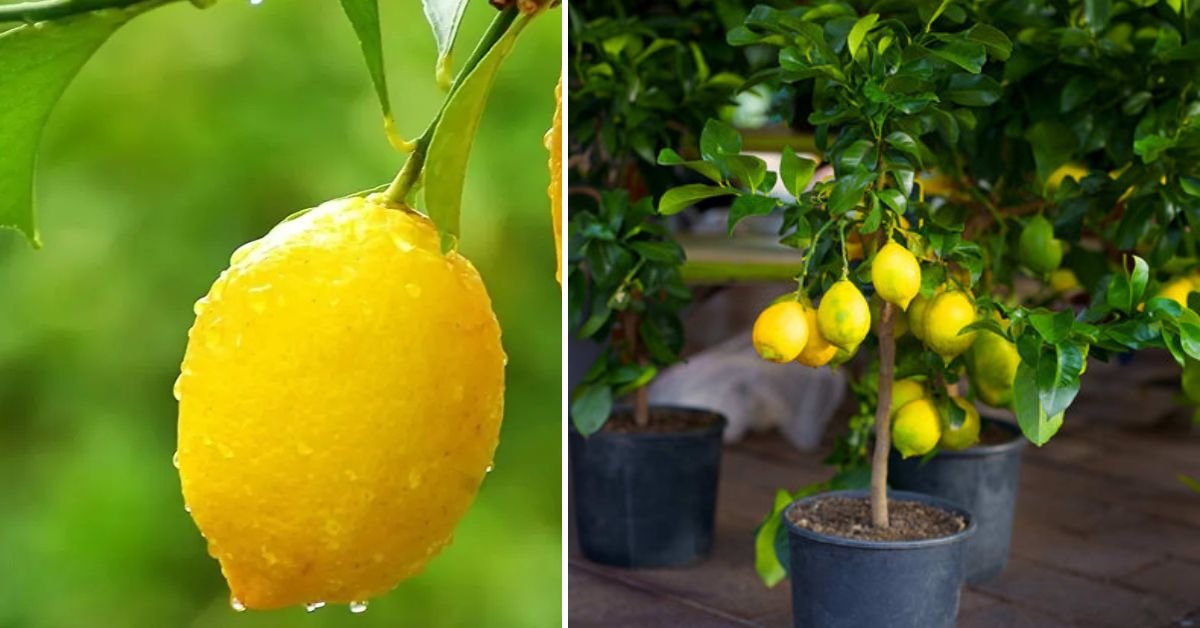
Growing a lemon tree is often described as a slow, patient process—but what if you could see real, visible progress in just 30 days? While no fruit tree becomes fully mature in a month, the right method can dramatically boost early growth, root development, and leaf production within the first few weeks. The key is not rushing nature, but working with it.
This guide reveals the best and most reliable way to grow a lemon tree in 30 days by focusing on strong roots, balanced nutrition, and stress-free care. Whether you’re a beginner or someone who has struggled with citrus before, this method sets your lemon tree up for long-term success—fast.
What “Growing a Lemon Tree in 30 Days” Really Means
Let’s be clear: growing a lemon tree in 30 days does not mean harvesting lemons in one month. What it does mean is:
- Strong root establishment
- Noticeable new leaf growth
- A healthier, more resilient plant
- Faster future flowering and fruiting
The first 30 days are the most critical phase in a lemon tree’s life. Get this period right, and everything that follows becomes easier.
Step 1: Start With the Right Lemon Plant (This Is Non-Negotiable)
The fastest growth never comes from seeds. Lemon trees grown from seed can take years just to stabilize.
The best option:
- A young grafted lemon plant from a nursery
Grafted plants:
- Grow faster
- Produce fruit earlier
- Are more disease-resistant
- Have predictable results
Choose a plant with glossy green leaves, a firm stem, and no yellowing or pests.
Step 2: Use the “Root-First” Growth Method (The Real Secret)
The best way to grow a lemon tree fast in 30 days is to prioritize roots over leaves.
A lemon tree grows only as fast as its roots allow. Weak roots = slow growth.
Ideal soil mix for rapid root development:
- 40% garden soil
- 30% compost or vermicompost
- 20% sand or perlite (for drainage)
- 10% cocopeat or leaf mold
This mix stays moist without becoming soggy—exactly what lemon roots need.
Step 3: Choose the Right Pot or Ground Spot
For pots:
- Minimum size: 12–16 inches wide
- Must have drainage holes
- Avoid decorative pots without drainage
For ground planting:
- Select a sunny, wind-protected area
- Avoid low spots where water collects
A cramped pot or waterlogged soil will instantly slow growth—no matter what else you do.
Step 4: Plant Correctly to Avoid Growth Shock
Planting mistakes can cost you weeks of progress.
Correct method:
- Dig a hole twice as wide as the root ball
- Keep the root crown slightly above soil level
- Fill gently—do not compact the soil
- Water deeply once after planting
Never bury the trunk deeper than it was in the nursery pot.
Step 5: Sunlight = Speed
Lemon trees are sun lovers. Growth speed is directly tied to light exposure.
For fastest 30-day results:
- 6–8 hours of direct sunlight daily
- Morning sun is best
- Avoid full shade or indoor low-light areas
If sunlight is weak, growth will be slow—no fertilizer can fix that.
Step 6: Watering for Fast Growth (Most People Get This Wrong)
Overwatering is the #1 reason lemon trees stall.
Correct rule for 30-day growth:
- Water only when the top 2–3 cm of soil feels dry
- Water deeply, then stop
- Never let the pot sit in standing water
In hot weather, this may mean watering every 2–3 days. In cooler weather, less.
Healthy roots grow fastest in soil that alternates between moist and slightly dry.
Step 7: The 30-Day Feeding Plan That Actually Works
Do not overload fertilizer in the first month. That causes leaf burn and stress.
Week-by-week feeding plan:
- Week 1–2: No fertilizer (root establishment phase)
- Week 3: Light organic feed (vermicompost or compost tea)
- Week 4: Balanced citrus fertilizer at half strength
Organic feeding encourages steady, natural growth without shocking the plant.
Step 8: Mulching = Hidden Growth Booster
Mulching is often ignored, but it speeds growth by:
- Retaining moisture
- Regulating soil temperature
- Feeding soil microbes
Use:
- Dry leaves
- Straw
- Coconut husk pieces
Keep mulch a few centimeters away from the trunk.
Step 9: What Growth You Should See in 30 Days
If done correctly, within 30 days you should notice:
- New leaf flushes (light green leaves)
- Thicker stem growth
- Improved leaf shine and color
- Stronger plant posture
This early momentum is what leads to faster flowering in the future.
Common Mistakes That Kill Fast Growth
Avoid these at all costs:
- Growing from seed
- Using heavy clay soil
- Overwatering “just in case”
- Keeping the plant in shade
- Overfertilizing in the first month
One mistake can cancel out all your effort.
Can You Grow a Lemon Tree Indoors in 30 Days?
Yes—but only if:
- It’s placed near a very bright window
- It receives direct sunlight
- Air circulation is good
Indoor growth is slower than outdoor growth, but still possible with proper light.
Final Thoughts
The best way to grow a lemon tree in 30 days is not a shortcut or a hack—it’s a method. When you focus on strong roots, excellent drainage, proper sunlight, and gentle nutrition, your lemon tree responds quickly and naturally.
Those first 30 days determine whether your tree struggles for years or thrives with ease. Follow this approach, and you won’t just grow a lemon tree fast—you’ll grow one that stays healthy, productive, and rewarding for many seasons to come.