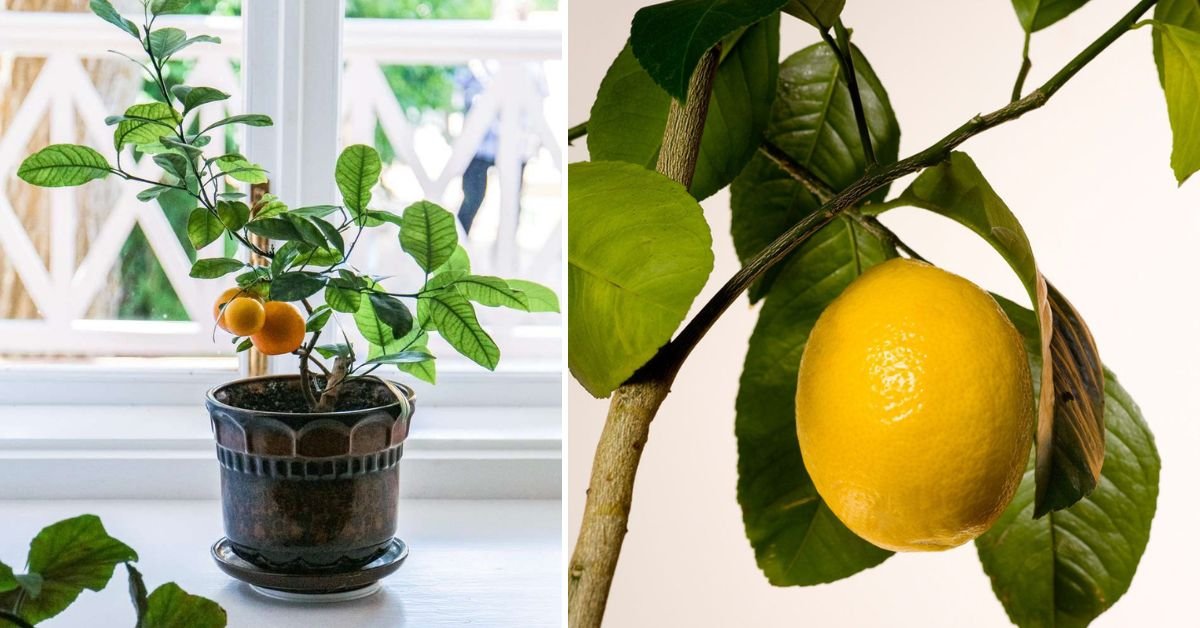
Growing a lemon tree at home feels almost magical—fragrant blossoms, glossy green leaves, and the promise of fresh citrus right outside your door. Many gardeners believe lemon trees take months to propagate, but with the right technique, I managed to grow strong roots in just one month. The best part? This simple method works consistently, even for beginners. In this detailed guide, I’ll walk you through exactly how to propagate a lemon tree quickly, what makes this trick so effective, and how you can repeat the success at home.
Why Propagate a Lemon Tree Instead of Buying One?
Propagating your own lemon tree has several advantages over buying a nursery plant:
- You get an exact clone of a healthy, productive parent tree
- It’s far more economical
- You can control how the plant is grown from day one
- The plant often adapts better to your local conditions
Most importantly, propagation gives you confidence and control as a gardener.
The Secret Behind Fast Lemon Tree Propagation
The key to rooting a lemon tree in just one month lies in choosing the right cutting and maintaining the perfect balance of moisture, warmth, and airflow. Lemon trees root best from semi-hardwood cuttings when stress is minimized and humidity is controlled.
This method doesn’t rely on expensive tools or chemicals—just smart timing and proper care.
Best Time to Propagate Lemon Trees
Timing greatly affects success.
- Late spring to early summer is ideal
- Temperatures should range between 20–30°C
- Avoid extreme heat, cold, or dry seasons
During this period, lemon trees are actively growing, which speeds up root formation.
Step 1: Selecting the Perfect Cutting
Success starts with the right cutting.
Choose a branch that is:
- Healthy and disease-free
- Semi-hardwood (not soft green, not old woody)
- About 6–8 inches long
- Pencil-thick with at least 3–4 leaf nodes
Cut early in the morning using clean, sharp pruning shears.
Step 2: Preparing the Cutting Properly
Proper preparation makes a big difference.
- Remove leaves from the lower half of the cutting
- Keep only 2–3 leaves at the top, trimming them in half to reduce moisture loss
- Make a clean slanted cut just below a node
- Lightly scrape the lower bark on one side to expose the cambium layer
This encourages faster root development.
Step 3: The Simple Trick That Speeds Up Rooting
Here’s the trick that worked every time: creating a mini humidity chamber while keeping the soil well-aerated.
You don’t need a greenhouse. A transparent plastic bottle or bag works perfectly.
- Fill a small pot with a light, fast-draining mix (garden soil + sand + compost)
- Moisten the soil—not soaking wet
- Insert the cutting 2–3 inches deep
- Cover with a clear plastic bottle or bag with small air holes
This traps humidity while allowing enough airflow to prevent rot.
Step 4: Ideal Placement for Fast Results
Where you place the cutting matters.
- Bright, indirect sunlight
- Warm area protected from wind
- No harsh afternoon sun
Direct sunlight can overheat the cutting, while deep shade slows root formation.
Step 5: Watering and Moisture Control
This is where many gardeners fail.
- Keep the soil lightly moist at all times
- Never allow water to pool at the base
- Mist the leaves lightly every few days
Too much water causes rot; too little causes dehydration. Balance is essential.
What Happens During the First 30 Days?
Here’s a general timeline you can expect:
Week 1:
The cutting adjusts. Leaves may droop slightly—this is normal.
Week 2:
Callus tissue begins forming at the base.
Week 3:
Tiny root initials develop beneath the soil.
Week 4:
New leaf growth appears, signaling successful rooting.
Do not pull the cutting to check roots. New leaves are your confirmation.
How to Confirm Root Growth Safely
Instead of tugging the cutting:
- Look for fresh green leaves
- Gently tap the stem—resistance indicates roots
- Check for steady leaf color and firmness
Once new growth is consistent, roots are established.
Transplanting After One Month
After 30–40 days, your lemon cutting is ready for transplanting.
Steps:
- Remove the plastic cover gradually over 3–4 days
- Prepare a larger pot with nutrient-rich soil
- Transplant carefully without disturbing roots
- Water lightly and keep in partial shade for one week
Gradual exposure prevents transplant shock.
Common Mistakes to Avoid
- Using old, woody branches
- Overwatering the cutting
- Keeping it in full sun
- Skipping humidity control
- Using heavy, compacted soil
Avoiding these mistakes dramatically increases success rates.
Caring for Your Young Lemon Plant
Once transplanted:
- Move gradually into full sunlight
- Feed lightly with organic compost after 6–8 weeks
- Pinch early flowers to promote strong growth
- Prune lightly to shape the plant
Strong early care leads to faster fruiting later.
How Soon Will It Bear Fruit?
Propagated lemon trees usually begin flowering within 2–3 years. Because they are clones of mature trees, they often fruit sooner than seed-grown plants.
Final Thoughts
Propagating a lemon tree in just one month isn’t magic—it’s about understanding plant behavior and giving the cutting exactly what it needs. With the right cutting, controlled humidity, and patient care, you can turn a simple branch into a thriving lemon tree faster than you ever imagined.
Once you master this technique, you’ll realize that growing citrus at home doesn’t require luck or advanced skills—just the right method applied consistently. One cutting, one month, and a little care can reward you with years of fresh lemons straight from your own garden.