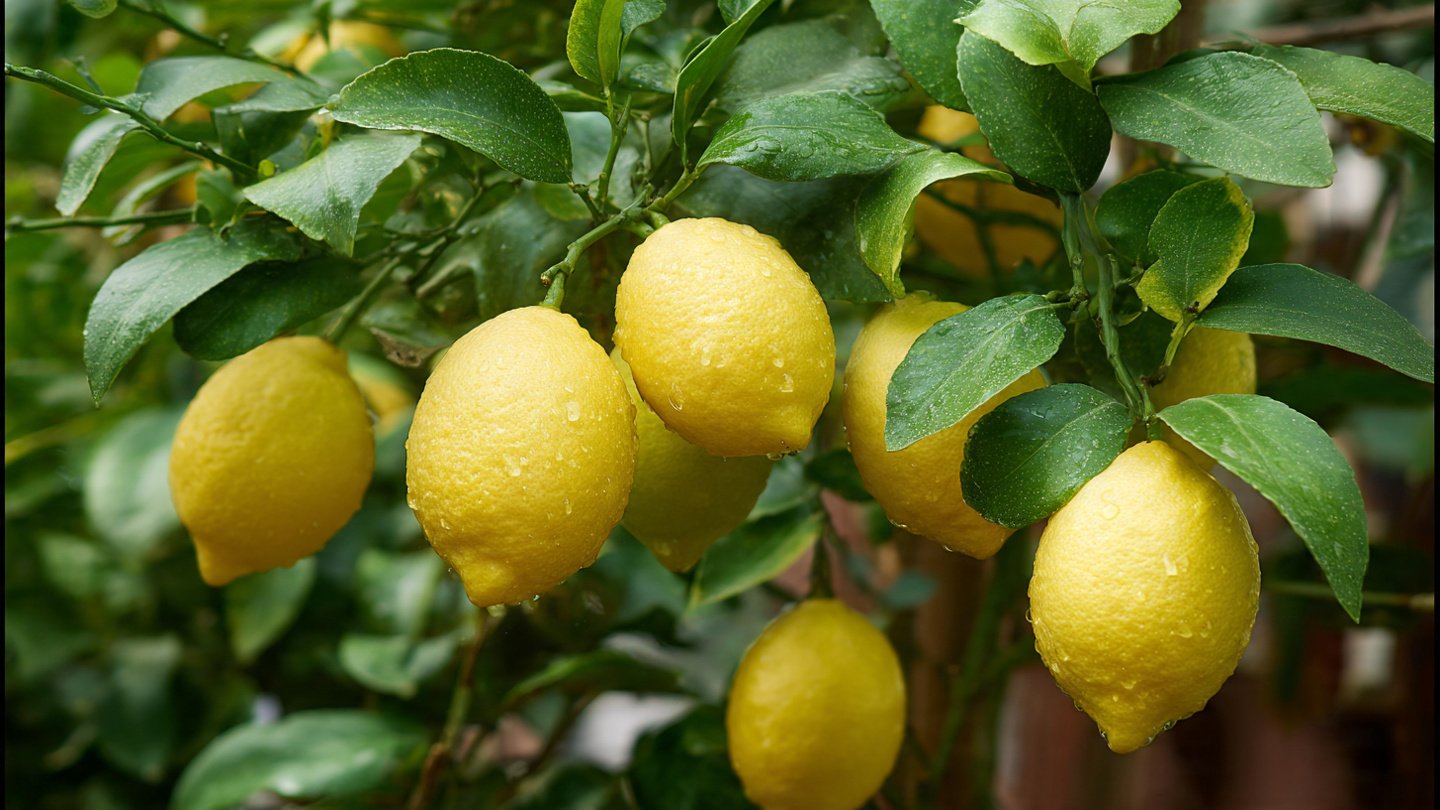
Growing lemon trees at home is a dream for many gardeners. Their fragrant blossoms, glossy green leaves, and tangy fruits make them a prized addition to any garden or balcony. However, cultivating healthy lemon trees can sometimes be challenging, particularly when trying to ensure strong root development, lush foliage, and abundant fruiting. Over time, I discovered an unusual yet surprisingly effective method—using the humble potato—to boost the health and growth of lemon trees. In this guide, I’ll share my experience and explain how potato power can help you grow thriving lemon trees, from soil preparation to harvest.
Why Lemon Trees Need Extra Care
Lemon trees (Citrus limon) are naturally hardy, but they have specific needs that must be met to grow successfully:
- Nutrient-rich soil: Lemons require soil rich in nitrogen, potassium, and trace elements for vibrant leaves and juicy fruits.
- Good drainage: Overwatering or waterlogged soil can harm roots, causing yellowing leaves or root rot.
- Consistent moisture: Lemon trees thrive with regular watering, especially during hot, dry months.
- Sunlight: At least 6–8 hours of direct sunlight is essential for photosynthesis and fruit production.
Even with ideal conditions, young lemon trees sometimes struggle to establish strong roots or produce consistent fruit. That’s where the potato method comes in.
How Potato Power Works
Potatoes are more than just a kitchen staple—they are nutrient-dense, containing starch, vitamins, and minerals that can stimulate root growth and provide slow-release nutrients. When used in conjunction with lemon tree cultivation, potatoes offer several benefits:
- Root stimulation: Placing a potato near the base of the tree provides natural energy for roots to develop and expand.
- Slow-release nutrients: As the potato decomposes, it gradually releases essential nutrients such as potassium, phosphorus, and trace minerals into the soil.
- Moisture retention: Potatoes help maintain soil moisture around the root zone, creating a stable environment for growth.
- Disease prevention: Some gardeners report that potatoes act as a buffer, reducing stress on the plant and increasing resistance to minor soil-borne diseases.
By leveraging these natural properties, you can give your lemon tree a head start in its early stages and maintain robust growth over the years.
Preparing Your Lemon Tree Planting Site
Before introducing potato power, it’s important to prepare the lemon tree planting site properly:
- Choose the right container or ground plot: Lemon trees grow well in large pots (15–20 gallons) or well-draining garden soil. Ensure adequate space for root expansion.
- Soil preparation: Mix garden soil with compost and sand or perlite to improve drainage. Lemons prefer slightly acidic soil with a pH of 5.5–6.5.
- Planting hole: Dig a hole twice as wide and slightly deeper than the root ball. Loosen the surrounding soil to allow roots to grow easily.
Integrating the Potato Method
Here’s how to use potatoes effectively when planting or caring for lemon trees:
Step 1: Selecting the Potato
- Choose a healthy, medium-sized potato free from rot or disease. Organic potatoes are ideal.
- Wash thoroughly to remove dirt, but do not peel, as the skin contains nutrients beneficial to the soil.
Step 2: Preparing the Potato
- You can use the potato whole or cut in half, depending on the size of your planting hole.
- Optionally, make small slits or poke holes in the potato to speed up nutrient release as it decomposes.
Step 3: Planting
- Place the potato at the bottom of the planting hole or slightly off to the side of the lemon tree’s root ball.
- Cover lightly with soil, ensuring the potato is near the roots but not directly touching the base of the tree trunk.
- Fill the hole with prepared soil and water thoroughly.
The potato will slowly decompose over weeks, releasing nutrients and stimulating root growth.
Watering and Care for Potato-Powered Lemon Trees
Once your lemon tree is planted with potato support, proper care ensures healthy growth:
1. Watering
- Keep the soil evenly moist, especially in the first 6–8 weeks after planting.
- Avoid overwatering, which can cause both the potato and lemon roots to rot.
- Check soil moisture by inserting a finger 2–3 inches into the soil. Water only when dry.
2. Mulching
- Apply a 2–3 inch layer of organic mulch around the base of the tree.
- Mulch helps retain soil moisture, moderate temperature, and suppress weeds.
- Keep mulch a few inches away from the trunk to prevent rot.
3. Fertilization
- Continue to feed the lemon tree with organic fertilizer high in nitrogen during early growth.
- Once flowering begins, switch to a phosphorus- and potassium-rich fertilizer to promote blossoms and fruit development.
- The decomposing potato complements this fertilization, offering additional nutrients slowly over time.
4. Pruning
- Remove damaged or crowded branches to improve air circulation and light penetration.
- Pruning encourages strong, healthy branches and maximizes fruiting potential.
Monitoring Growth and Development
The benefits of potato power become noticeable within weeks:
- Root development: Young lemon trees planted with potatoes tend to develop more extensive root systems, which support faster above-ground growth.
- Leaf health: Leaves appear greener, larger, and more vibrant compared to trees without potato support.
- Flowering and fruiting: Trees show earlier flowering and better fruit set due to stronger energy reserves.
Keep a journal of growth patterns to compare the effects of the potato method versus traditional planting techniques.
Harvesting Lemon Fruits
Lemon trees usually start producing fruit 2–3 years after planting, depending on the variety and care. With potato-boosted growth:
- Expect stronger, healthier trees capable of sustaining multiple blooms and fruits each year.
- Harvest lemons when fully colored and slightly soft to the touch.
- Regular harvesting encourages new flowers and prolongs fruit production.
Reusing Potatoes for Continuous Growth
You can continue using potatoes as part of your lemon tree care:
- Place small slices of potato at the base of the tree every 2–3 months.
- Alternatively, bury new potatoes near young roots during the growing season.
- The continuous supply of nutrients supports long-term tree health, especially for container-grown lemons.
Other Benefits of the Potato Method
Beyond growth enhancement, potatoes offer several practical advantages:
- Low-cost natural fertilizer: Potatoes are inexpensive, especially if you repurpose kitchen scraps.
- Eco-friendly: Reduces dependency on chemical fertilizers, promoting sustainable gardening.
- Easy integration: Works in both pots and garden beds without complex tools or techniques.
- Stress reduction: Potatoes buffer root stress, helping lemon trees recover from transplant shock or environmental stressors.
Tips for Maximum Success
- Use fresh, healthy potatoes: Avoid old, sprouting, or rotten potatoes, as they may introduce disease.
- Monitor moisture levels: Decomposing potatoes retain water, so adjust watering accordingly.
- Combine with organic care: Compost, mulching, and natural pest management enhance results.
- Protect from pests: Keep an eye out for rodents or insects that may be attracted to potatoes in the soil.
- Patience pays off: Potato power works gradually. Observe growth over weeks to months for best results.
Conclusion
Using potato power to grow healthy lemon trees is a simple, sustainable, and effective gardening hack. By harnessing the natural nutrients and moisture-retaining properties of potatoes, you can stimulate root growth, enhance foliage health, and encourage earlier and more abundant fruiting. Whether planting a lemon tree in a pot or in your backyard, incorporating potatoes into your care routine provides a natural boost that complements traditional gardening methods.
From soil preparation to harvest, this approach transforms lemon tree cultivation into an accessible, low-cost, and eco-friendly practice. Over time, potato-powered lemon trees develop stronger roots, lush leaves, and delicious fruits, making the humble potato a secret weapon in any gardener’s toolkit. By embracing this technique, you can enjoy the beauty, fragrance, and bounty of healthy lemon trees in your home garden for years to come.