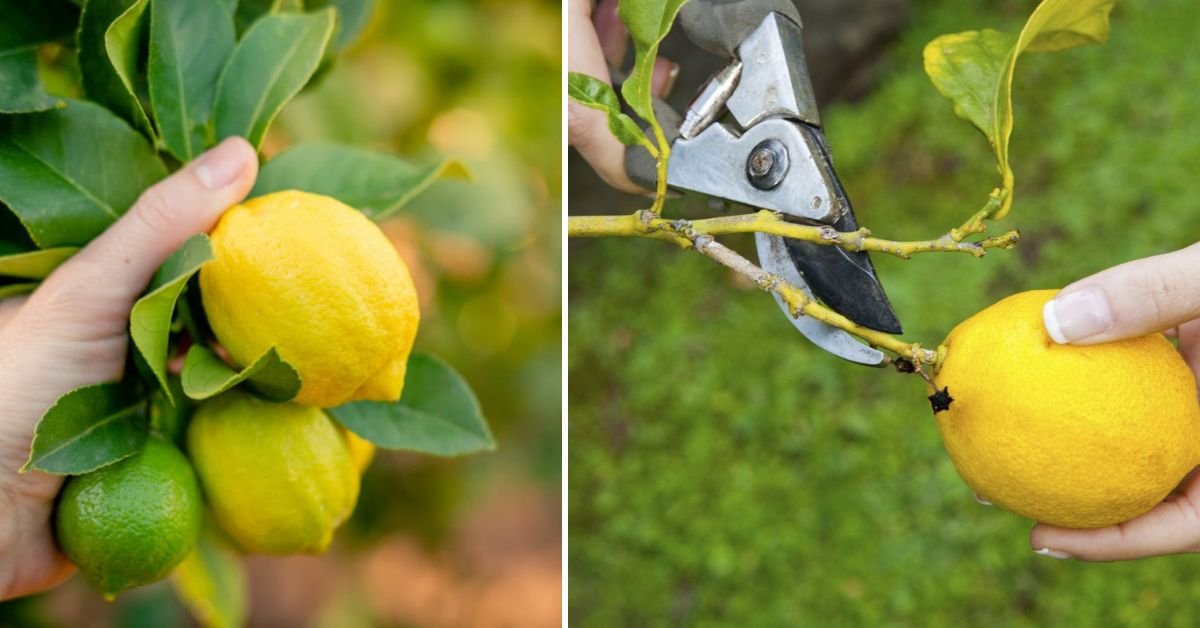
Growing your own lemon tree doesn’t have to take years of waiting and uncertainty. If you want a quicker, more reliable way to enjoy fresh, homegrown lemons, propagating lemon trees from cuttings is one of the best methods every gardener should try. This technique allows you to clone a healthy parent plant, ensuring the same fruit quality while dramatically reducing the time it takes to see flowers and fruit.
In this detailed guide, you’ll learn exactly how to grow lemon trees from cuttings quickly, why this method works so well, and how to care for your young plants so they grow strong, healthy, and productive.
Why Grow Lemon Trees from Cuttings?
Propagation from cuttings is popular among experienced gardeners for good reason. Unlike growing lemon trees from seeds, cuttings produce plants that are genetically identical to the parent tree. This means you already know the fruit quality, taste, and productivity you can expect.
Another major advantage is speed. Seed-grown lemon trees can take five to seven years to produce fruit, while trees grown from cuttings often begin flowering in just two to three years. Cuttings also bypass many early growth uncertainties, giving you a stronger start with predictable results.
Choosing the Right Parent Plant
Success starts with selecting the right source plant. Always take cuttings from a healthy, disease-free lemon tree that produces good-quality fruit. The parent plant should be mature but not old, with strong growth and no signs of pests, yellowing leaves, or fungal issues.
The best time to take lemon cuttings is during the active growing season, usually late spring to early summer. During this period, the plant’s energy levels are high, increasing the chances of successful root development.
Tools and Materials You’ll Need
Before starting, gather everything you need to avoid interruptions during the process. You’ll need a sharp, clean pruning shears or knife, small pots or containers with drainage holes, well-draining potting mix, and clean water. Rooting hormone is optional but highly recommended, as it speeds up root formation and improves success rates.
You may also need transparent plastic covers or plastic bottles to create a humid environment, which is essential for encouraging roots to develop.
How to Take Lemon Tree Cuttings
Select a semi-hardwood branch that is about 6 to 8 inches long. Semi-hardwood means the branch is neither too soft nor too woody—it should snap slightly when bent but not break easily. Make a clean cut just below a leaf node, as this is where roots are most likely to form.
Remove the leaves from the lower half of the cutting, leaving two or three healthy leaves at the top. This reduces moisture loss while still allowing photosynthesis. If the remaining leaves are large, you can cut them in half to further reduce stress on the cutting.
Preparing the Soil and Containers
Lemon cuttings need a light, well-draining medium to prevent rot. A mix of garden soil, sand, and compost works well, or you can use a ready-made potting mix designed for citrus plants. Make sure the container has good drainage holes, as excess water can quickly kill young cuttings.
Moisten the soil slightly before planting. It should be damp but not soggy.
Planting the Cuttings
Dip the cut end of the lemon cutting into rooting hormone, tapping off any excess. This step is optional, but it significantly improves root development and speeds up the process.
Insert the cutting into the soil about 2 to 3 inches deep, ensuring at least one leaf node is buried. Gently firm the soil around the cutting to hold it upright. Water lightly to settle the soil.
Creating the Right Environment for Rooting
Humidity is the key to successful rooting. Cover the pot with a transparent plastic bag or place a cut plastic bottle over the cutting to create a mini greenhouse. This helps retain moisture and prevents the cutting from drying out.
Place the pot in a warm, bright location with indirect sunlight. Avoid direct sun at this stage, as it can overheat the cutting and cause leaf drop. Maintain consistent warmth and moisture, but never let the soil become waterlogged.
How Long Does Rooting Take?
Lemon cuttings typically take four to six weeks to develop roots, though this can vary depending on temperature, humidity, and overall care. You may notice new leaf growth, which is a good sign—but it doesn’t always mean roots have formed yet.
After about six weeks, you can gently tug on the cutting. If you feel resistance, roots are developing. At this stage, you can gradually remove the plastic cover to help the plant adjust to normal conditions.
Transplanting and Early Care
Once the cutting has established a healthy root system, it’s ready to be transplanted into a larger pot. Use nutrient-rich, well-draining soil and place the plant in a sunny location where it can receive at least six hours of sunlight daily.
Water regularly, allowing the top layer of soil to dry slightly between watering. Young lemon plants are sensitive to overwatering, so always check the soil before adding more water.
Feeding Your Young Lemon Tree
After a few weeks of growth, begin feeding your lemon plant with organic compost or a balanced fertilizer. Lemon trees are heavy feeders and benefit from regular nutrition, especially during the growing season.
Avoid over-fertilizing, as this can burn young roots. A light feeding every four to six weeks is usually sufficient in the early stages.
Common Mistakes to Avoid
One of the most common mistakes when growing lemon trees from cuttings is overwatering. Excess moisture can cause the cutting to rot before roots have a chance to form. Poor drainage, lack of humidity, and exposure to strong direct sunlight too early can also reduce success rates.
Always use clean tools to prevent disease, and be patient—rushing the process often leads to failure.
When Will Your Lemon Tree Produce Fruit?
Lemon trees grown from cuttings generally start flowering within two to three years, much faster than seed-grown plants. With proper care, sunlight, and nutrition, your tree can become a long-term source of fresh lemons for your home.
Final Thoughts
Growing lemon trees from cuttings is a proven, efficient method that delivers faster results and consistent fruit quality. It’s perfect for home gardeners who want to expand their citrus collection without waiting years for results. With the right cutting, proper humidity, and a little patience, you can turn a simple branch into a thriving lemon tree.