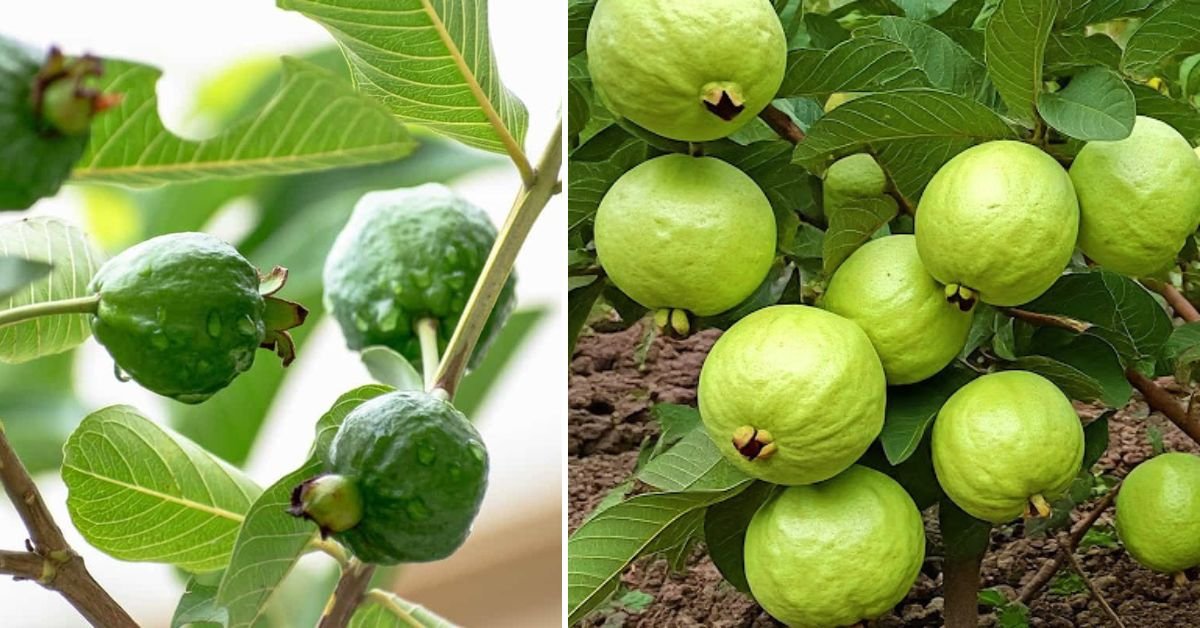
Guava is one of the most rewarding fruit trees for home gardeners. It grows quickly, adapts well to different climates, and produces delicious, nutrient-rich fruits. Yet many gardeners feel frustrated when their guava trees grow slowly, take years to fruit, or remain weak despite regular care. The good news is that experienced growers rely on a lesser-known but highly effective approach often called the “tissue technique” to accelerate guava growth and overall tree health.
This method is not about laboratory tissue culture. Instead, it focuses on strengthening plant tissue at the root, stem, and leaf level through smart propagation, nutrition, and pruning practices. When done correctly, it can dramatically boost growth speed, reduce disease, and encourage early fruiting.
Understanding the “Tissue Technique” Concept
The tissue technique is based on one simple idea: strong internal plant tissue leads to faster external growth. Rather than forcing growth with excess fertilizers, this method works by improving cell strength, nutrient transport, and root efficiency.
Healthy plant tissue means:
- Strong roots that absorb nutrients efficiently
- Thick stems that support rapid vertical growth
- Leaves with better photosynthesis capacity
By focusing on these internal systems early, guava trees respond with vigorous, balanced growth.
Step One: Start with the Right Propagation Method
One of the biggest reasons guava trees grow slowly is poor starting material. Trees grown from seed often vary in quality and take longer to fruit. Gardeners who want fast results usually prefer vegetative propagation methods such as air layering or softwood cuttings.
Air-layered guava plants already have mature tissue characteristics. This allows them to establish quickly and grow faster once planted. If you are using cuttings, select healthy, disease-free branches with active growth. Treating the cut end with natural rooting enhancers like aloe vera gel or diluted compost tea can improve root tissue formation.
The stronger the initial root tissue, the faster the entire tree develops.
Step Two: Prepare Soil That Feeds Plant Cells
Fast-growing guava trees depend heavily on living soil. Ordinary garden soil often lacks the organic matter and microbial life needed for rapid tissue development.
Create a rich soil mix by combining:
- Garden soil
- Well-rotted compost or vermicompost
- Sand or coco peat for drainage
This combination ensures roots receive oxygen, moisture, and nutrients simultaneously. Beneficial microorganisms in compost help break down nutrients into forms that plant cells can absorb easily. This directly improves tissue strength and nutrient transport within the tree.
Avoid chemical-heavy soil treatments. They may boost short-term growth but weaken internal tissue over time.
Step Three: Smart Nutrition for Faster Cell Development
The tissue technique emphasizes feeding plants in small, consistent amounts rather than heavy doses. Guava trees grow fastest when nutrients are available steadily.
Nitrogen supports leaf and stem tissue development, while phosphorus strengthens roots. Potassium improves overall plant metabolism and disease resistance. Instead of synthetic fertilizers, use organic sources such as:
- Compost tea
- Banana peel water (for potassium)
- Oil cake solutions (for slow-release nutrients)
Applying liquid feeds every two to three weeks during active growth ensures plant cells stay nourished without stress. This steady nutrition leads to thicker stems, darker leaves, and faster canopy formation.
Step Four: Controlled Watering for Strong Root Tissue
Water plays a major role in tissue health. Overwatering weakens root cells and invites disease, while underwatering slows growth.
The secret is deep but spaced watering. Allow the topsoil to dry slightly between watering sessions. This encourages roots to grow deeper in search of moisture, creating stronger and more extensive root tissue.
Mulching around the base of the tree with dry leaves or straw helps maintain moisture levels and keeps soil temperature stable. Stable conditions promote uninterrupted cell growth and faster development.
Step Five: Strategic Pruning to Activate Growth Hormones
One of the most powerful parts of the tissue technique is pruning. Light, timely pruning triggers the plant’s natural growth hormones, redirecting energy to new shoots and stronger branches.
For young guava trees:
- Pinch the growing tip once the plant reaches about 2–3 feet
- Remove weak or crossing branches
- Encourage an open, well-spread structure
This stimulates lateral tissue growth, making the tree bushier and stronger. More branches mean more leaf surface, which increases photosynthesis and speeds up overall growth.
Step Six: Leaf Health and Photosynthesis Boosting
Healthy leaves are factories that fuel growth. Dusty, damaged, or nutrient-deficient leaves slow down the entire system.
Spraying diluted compost tea or seaweed extract on leaves once a month improves leaf tissue strength and chlorophyll production. This allows leaves to capture more sunlight and convert it into energy efficiently.
Regularly remove damaged or diseased leaves so the plant can focus resources on healthy tissue.
Step Seven: Protecting Tissue from Stress and Disease
Stress slows growth more than any other factor. Extreme temperatures, pests, and nutrient imbalances damage plant tissue and force the tree into survival mode.
Protect your guava tree by:
- Providing shade during extreme heat
- Using neem oil sprays to deter pests
- Avoiding sudden changes in watering or feeding routines
A stress-free plant channels energy into growth rather than repair.
Why This Technique Works So Well
The tissue technique works because it aligns with how plants naturally grow. Instead of forcing fast results, it builds a strong internal framework. When roots, stems, and leaves are healthy at the cellular level, rapid growth becomes a natural outcome.
Gardeners who follow this method often notice:
- Faster height and canopy development
- Earlier flowering and fruiting
- Thicker stems and stronger branches
- Better resistance to pests and diseases
Final Thoughts
Growing guava trees super fast is not about secret chemicals or complicated systems. It is about understanding how plant tissue functions and supporting it from the very beginning. By starting with good propagation material, feeding the soil, watering wisely, pruning strategically, and reducing stress, you create the perfect environment for rapid, healthy growth.
This trusted technique has helped countless gardeners turn slow-growing guava plants into productive, thriving trees. With patience, consistency, and attention to internal plant health, you too can enjoy a strong guava tree that grows fast and rewards you with abundant fruit for years to come.