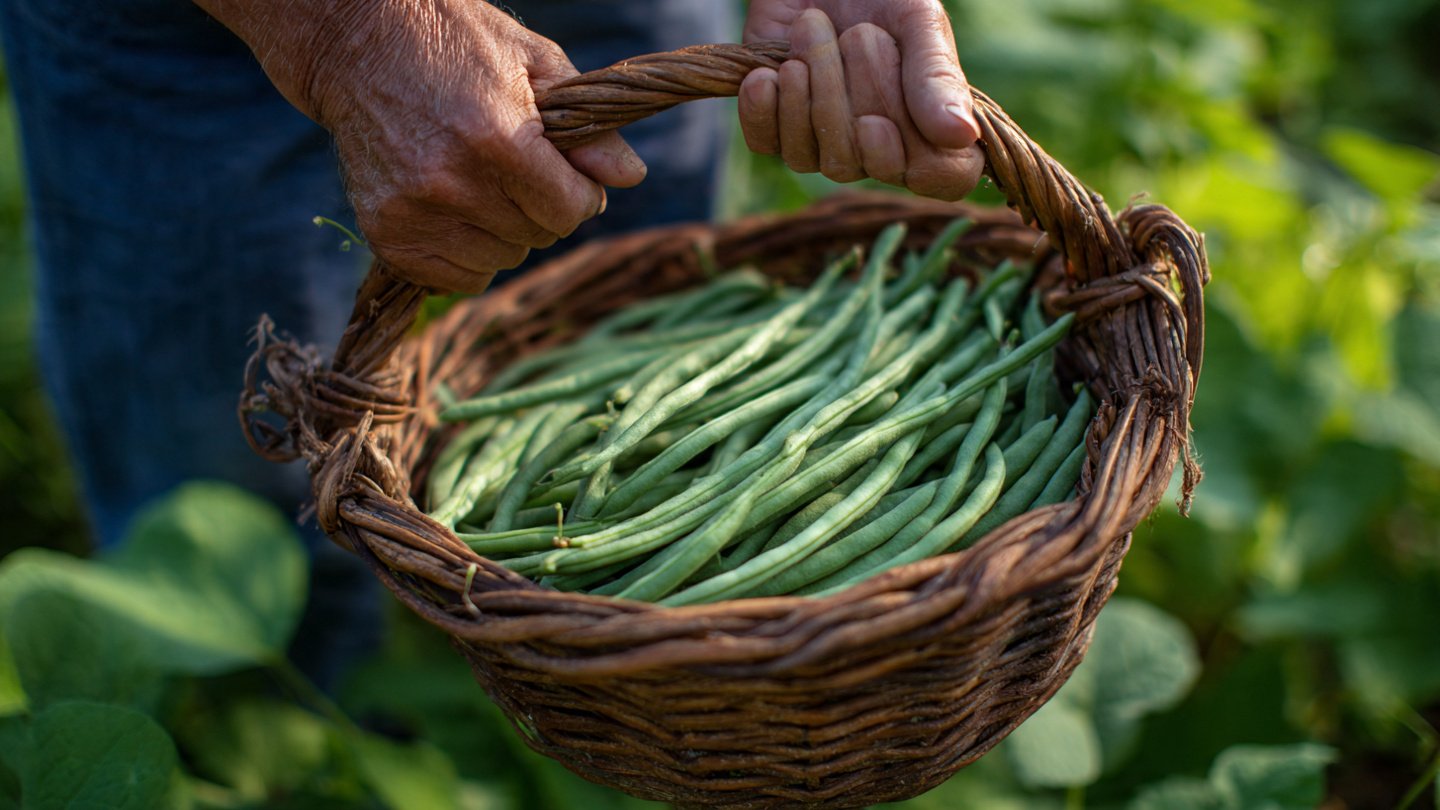
Long beans, also known as yardlong beans, asparagus beans, or snake beans (Vigna unguiculata), are a versatile and nutritious legume widely enjoyed in Asian and tropical cuisines. Known for their crunchy texture, mild flavor, and impressive length—sometimes reaching up to three feet—long beans are perfect for stir-fries, soups, salads, and side dishes. Growing them at home can be highly rewarding, especially when combined with sustainable practices like using reusable soil.
Reusable soil, also called soilless mix or rejuvenated potting medium, allows gardeners to cultivate plants without constantly buying fresh soil, saving money and reducing waste. This guide will take you through every step of growing long beans, from seed selection and planting to care, harvesting, and sustainable soil reuse.
Why Grow Long Beans at Home
There are several reasons to grow long beans in your own garden:
- Freshness and Flavor: Homegrown beans are crisp, flavorful, and free from pesticides.
- High Yield: Long beans are prolific producers, providing multiple harvests over a season.
- Nutritional Value: Rich in protein, fiber, vitamins A and C, and minerals like iron and calcium.
- Space Efficiency: Can be grown vertically using trellises or stakes, making them suitable for small gardens or balconies.
- Sustainability: Using reusable soil reduces waste and supports eco-friendly gardening.
Growing your own long beans ensures you enjoy fresh, nutritious produce while practicing sustainable gardening.
Selecting the Right Seeds
Successful cultivation begins with high-quality seeds:
- Variety: There are several long bean varieties, including ‘Red Noodle Bean,’ ‘Fortex,’ and ‘Thai Long Bean.’ Choose based on your climate and desired harvest time.
- Freshness: Use seeds stored properly in a cool, dry place. Fresh seeds have higher germination rates.
- Disease Resistance: Opt for varieties resistant to common bean diseases such as powdery mildew or mosaic virus.
- Source: Purchase seeds from reputable nurseries or seed companies for reliability.
High-quality seeds set the foundation for strong growth and bountiful harvests.
Preparing Reusable Soil
Reusable soil allows for sustainable planting without compromising plant health:
- Choosing a Base: Reusable soil can be a mix of coco coir, peat moss, compost, and perlite. This mixture provides aeration, drainage, and nutrient retention.
- Rejuvenating Used Soil: If you have soil from previous crops, remove old roots, sterilize by heating in the sun or oven, and mix with fresh compost to restore fertility.
- Nutrient Enrichment: Add organic fertilizers or compost to replenish nutrients before planting.
- pH Check: Long beans prefer slightly acidic to neutral soil (pH 6.0–7.0). Adjust with lime or sulfur if needed.
Proper soil preparation ensures healthy root development and vigorous plant growth.
Pre-Soaking Seeds
Long bean seeds benefit from pre-soaking to speed up germination:
- Place seeds in lukewarm water for 8–12 hours before planting.
- Soaking softens the seed coat and encourages quicker sprouting.
- Drain and rinse seeds thoroughly before planting to prevent mold or rot.
Pre-soaked seeds germinate faster, giving you a head start in your growing season.
Planting Long Beans
Planting long beans correctly ensures healthy growth and maximum yield:
Direct Sowing
- Timing: Sow seeds outdoors after the last frost, when soil temperature reaches 70°F (21°C) or higher.
- Spacing: Plant seeds 1–2 inches deep and 3–4 inches apart. Space rows 18–24 inches apart for proper airflow.
- Trellis Support: Install stakes, trellises, or netting early. Long beans are climbing plants that require vertical support for best yields.
- Watering: Keep soil moist until seedlings emerge, usually in 7–10 days.
Container Planting
- Choose Large Containers: Long beans need depth for root development. Pots at least 12 inches deep work well.
- Use Reusable Soil: Fill containers with prepared reusable soil.
- Plant Seeds: Follow the same spacing guidelines as outdoor planting.
- Support Structures: Insert trellises or stakes immediately to guide climbing stems.
Both methods are effective; container planting is ideal for urban or small-space gardening.
Watering and Care
Proper watering and care ensure vigorous growth:
- Consistency: Long beans prefer evenly moist soil. Avoid letting soil dry out completely.
- Deep Watering: Encourage deep roots by watering thoroughly once or twice a week rather than frequent shallow watering.
- Mulching: Apply straw or shredded leaves around the base to conserve moisture, suppress weeds, and regulate soil temperature.
- Fertilization: Apply a balanced fertilizer or compost every 3–4 weeks. Avoid excess nitrogen, which promotes leaf growth over pods.
- Pruning: Trim any yellowing or damaged leaves to maintain plant health and airflow.
Pest and Disease Management
Long beans are generally hardy but can encounter common pests and diseases:
- Aphids and Spider Mites: Spray with insecticidal soap or neem oil if infestations occur.
- Leaf Miners: Remove affected leaves and encourage beneficial insects.
- Powdery Mildew: Ensure good airflow and avoid overhead watering to prevent fungal growth.
- Root Rot: Prevent waterlogging by using well-draining reusable soil and pots with drainage holes.
Early detection and preventive care are key to maintaining healthy plants.
Supporting Vertical Growth
Long beans are natural climbers. Proper support increases yield and makes harvesting easier:
- Trellises: Use bamboo poles, wooden stakes, or mesh netting for plants to climb.
- Spacing: Train vines along trellis rows, leaving space for airflow.
- Pruning Tips: Remove excessive lateral shoots that overcrowd the trellis.
Vertical growth not only improves yields but also keeps beans clean and reduces disease risk.
Harvesting Long Beans
Long beans are fast-growing and prolific, producing pods in 50–60 days from sowing:
- Timing: Harvest when pods are 12–18 inches long and still tender. Beans that are too mature may become tough and fibrous.
- Method: Use scissors or garden shears to snip pods from the vine, leaving the stem intact.
- Frequency: Regular harvesting encourages continued flowering and pod production. Check plants every 2–3 days during peak season.
Proper harvesting ensures consistent production throughout the growing season.
Reusing Soil for Continuous Planting
Reusable soil offers sustainability and cost efficiency:
- After Harvest: Remove roots and plant debris from the soil.
- Sterilization: Sun-dry or lightly bake soil to kill pathogens.
- Nutrient Replenishment: Add compost, worm castings, or organic fertilizer to restore fertility.
- Mix and Aerate: Stir soil to loosen compaction before the next planting cycle.
Using reusable soil not only reduces waste but also maintains a productive garden season after season.
Advantages of Growing Long Beans with Reusable Soil
- Cost Savings: Eliminates the need for constant soil replacement.
- Environmental Benefits: Reduces organic waste and promotes sustainable gardening practices.
- Efficient Water Use: Well-prepared soil retains moisture effectively.
- High Yield: Healthy soil supports vigorous plant growth and abundant pod production.
- Easy Maintenance: Reduced planting prep and improved soil structure simplify care.
By combining vertical growth, reusable soil, and proper care, long beans can be grown efficiently and sustainably.
Conclusion
Growing long beans from seed to harvest using reusable soil is a practical, sustainable, and rewarding gardening practice. With proper seed selection, soil preparation, planting techniques, and care, anyone can cultivate lush, productive long bean plants that provide fresh, nutritious pods throughout the season.
Reusable soil not only supports plant health but also reduces environmental impact, making it an ideal choice for eco-conscious gardeners. Combined with vertical growing techniques, consistent watering, and regular harvesting, homegrown long beans can flourish in small gardens, balconies, or container setups.
By following this comprehensive guide, gardeners of all levels can enjoy the satisfaction of growing long beans successfully, while practicing sustainable gardening that benefits both the environment and your table. From vibrant seedlings to a bountiful harvest, long beans cultivated in reusable soil demonstrate how thoughtful gardening can be both productive and eco-friendly.