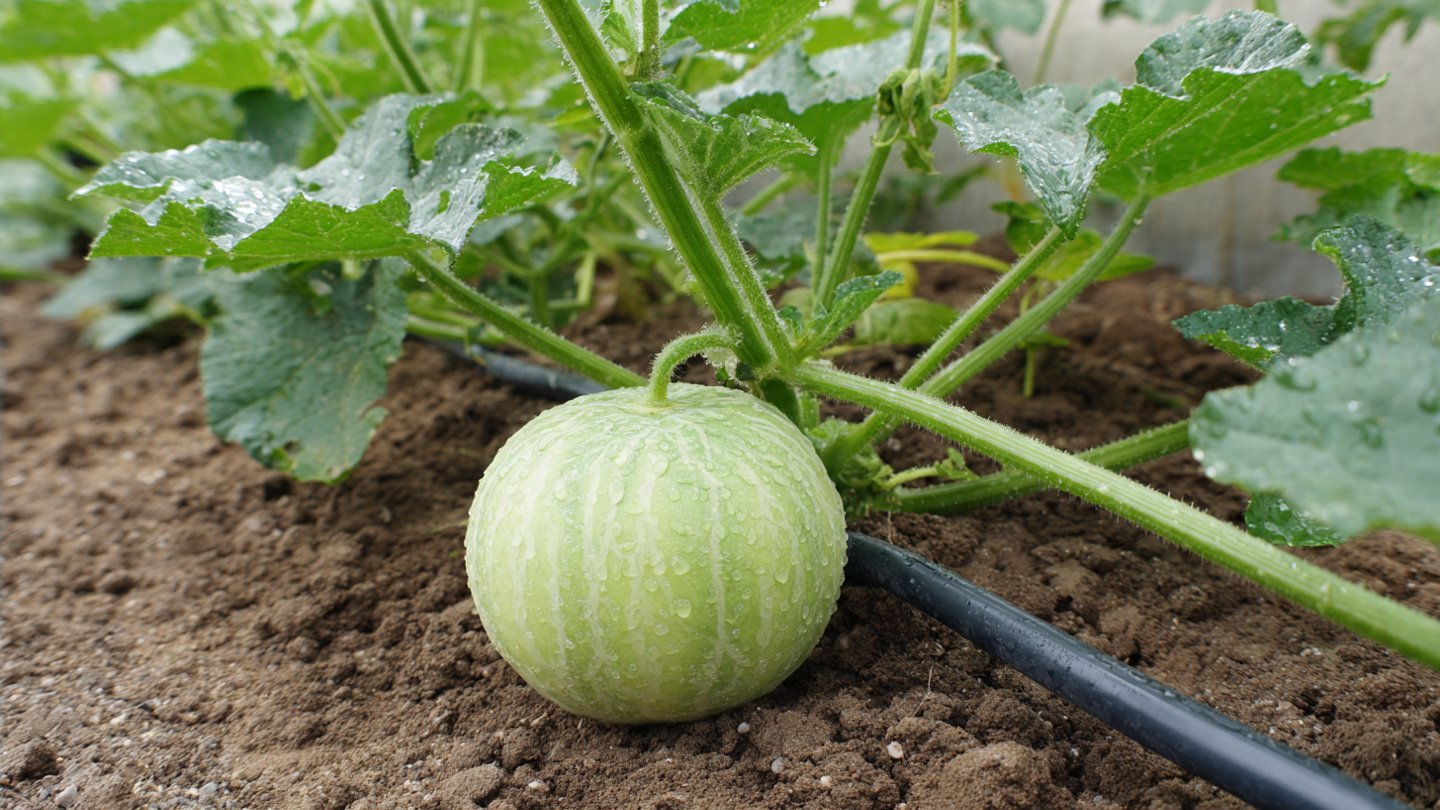
Growing melons at home often feels like a project reserved for gardeners with large backyards, sprawling vines, and endless time. In reality, modern techniques and a little planning make it possible for anyone—even apartment dwellers—to enjoy fresh, juicy melons grown right on a balcony, terrace, or small patio. Container melon gardening combined with automatic drip irrigation is one of the most efficient and beginner-friendly methods available today. It reduces daily effort, saves water, and delivers consistently healthy plants and flavorful fruit.
This guide will walk you through everything you need to know, from choosing the right melon varieties to setting up a simple drip system that does most of the work for you.
Why Grow Melons in Containers?
Container gardening offers flexibility and control that traditional ground planting often lacks. You can manage soil quality, water precisely, and move plants to take advantage of sunlight or shelter from extreme weather.
Key advantages include:
- Space efficiency: Perfect for balconies, rooftops, and small gardens
- Better soil control: No worries about poor native soil
- Reduced pests and diseases: Containers limit soil-borne problems
- Ease of care: Less bending, cleaner fruits, and easier monitoring
When combined with drip irrigation, container gardening becomes even more efficient, ensuring plants receive steady moisture without overwatering.
Choosing the Best Melon Varieties for Containers
Not all melons are ideal for container growth. Compact or bush-type varieties perform best because they require less space and energy to produce fruit.
Good choices include:
- Dwarf or bush watermelons
- Small muskmelons or cantaloupes
- Early-maturing melon varieties
Look for varieties labeled as “compact,” “container-friendly,” or “bush type” when buying seeds.
Selecting the Right Containers
Container size plays a major role in melon success. Melons have extensive root systems, so small pots will limit growth and fruiting.
Ideal container guidelines:
- Minimum size: 18–24 inches deep and wide
- Material: Plastic, fabric grow bags, or clay pots with good drainage
- Drainage holes: Essential to prevent root rot
Fabric grow bags are especially effective because they improve aeration and prevent roots from circling.
Preparing the Perfect Soil Mix
Melons thrive in loose, nutrient-rich, well-draining soil. Avoid using garden soil alone, as it compacts easily in containers.
A balanced soil mix may include:
- High-quality potting mix
- Well-rotted compost or vermicompost
- Coco peat or perlite for aeration
Adding organic matter improves moisture retention while still allowing excess water to drain freely—crucial for healthy melon roots.
Setting Up Automatic Drip Irrigation
Automatic drip irrigation is the key to effortless melon gardening. Melons need consistent moisture, especially during flowering and fruit development. Irregular watering often leads to poor fruit quality or cracking.
Basic Components of a Simple Drip System
- Water source (tap or storage tank)
- Main supply pipe
- Thin drip lines or microtubes
- Drippers (2–4 liters per hour works well for containers)
- Timer (optional but highly recommended)
How to Install It
- Connect the main pipe to your water source.
- Run drip lines to each container.
- Place one or two drippers near the plant base.
- Set a timer to water once or twice daily, depending on climate.
This system delivers water directly to the roots, minimizing evaporation and saving water compared to hand watering.
Planting Melon Seeds or Seedlings
You can start melons either from seeds or young seedlings.
From seeds:
- Sow 2–3 seeds per container, about 1 inch deep
- After germination, keep the strongest seedling
From seedlings:
- Transplant carefully to avoid disturbing roots
- Water immediately after planting
Place containers where they receive at least 6–8 hours of direct sunlight daily. Sunlight is essential for sugar development and overall plant health.
Supporting and Training Melon Vines
Even compact melon plants benefit from support. Vertical growth saves space and improves airflow, reducing disease risk.
Support options include:
- Trellises or vertical frames
- Balcony railings
- Strong netting
As fruits develop, use soft slings made from cloth or netting to support their weight and prevent them from pulling on the vine.
Feeding Melon Plants for Maximum Yield
Melons are heavy feeders, especially in containers where nutrients wash out quickly.
Fertilizing tips:
- Start with compost-rich soil
- Feed every 10–14 days with liquid organic fertilizer
- Increase potassium during flowering and fruiting
Avoid excessive nitrogen late in the season, as it promotes leaf growth at the expense of fruit sweetness.
Pollination and Fruit Development
Melons rely on pollination to set fruit. In small or urban spaces, pollinators may be limited.
To improve fruit set:
- Grow flowering plants nearby to attract insects
- Hand-pollinate by transferring pollen from male flowers to female flowers using a soft brush
Consistent watering through drip irrigation helps prevent stress during this critical stage.
Managing Common Problems
Even with automated systems, occasional issues can arise.
Common challenges and solutions:
- Yellow leaves: Often due to nutrient deficiency or overwatering
- Poor fruit sweetness: Ensure full sunlight and avoid excess nitrogen
- Cracking fruits: Maintain consistent moisture with drip irrigation
Regular observation allows you to address problems early, keeping plants productive and healthy.
Harvesting Juicy, Homegrown Melons
Knowing when to harvest makes all the difference in flavor.
Signs of ripeness include:
- Sweet aroma near the stem
- Color change on the underside of the fruit
- Slight softness when pressed gently
Harvest in the morning for best taste and freshness. Homegrown melons often taste sweeter than store-bought ones because they are allowed to ripen fully on the vine.
Final Thoughts
Container melon gardening with automatic drip irrigation proves that growing juicy, delicious melons doesn’t require vast land or constant effort. With the right containers, quality soil, steady watering, and a bit of sunlight, anyone can enjoy a rewarding harvest at home. This method not only saves water and time but also delivers consistently better results—making melon gardening truly effortless, even for beginners.
Once you taste your first homegrown melon, you’ll realize that a small space and smart irrigation are all you need to grow something truly special.