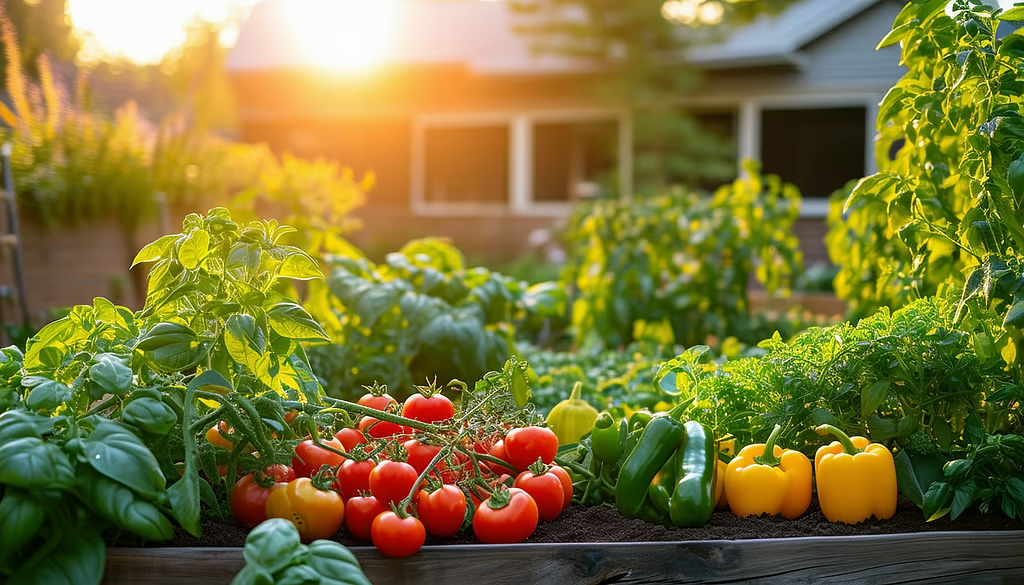
A kitchen garden is one of the most rewarding ways to enjoy fresh, healthy produce right outside your door. Whether you have a spacious backyard or a few containers on a balcony, choosing the right crops for the current season is the key to success. Planting vegetables and herbs that thrive in the existing weather conditions ensures better growth, fewer pest problems, and a more abundant harvest.
If you’ve been wondering what to plant this season in your kitchen garden, this guide will help you make smart choices for healthy plants and continuous harvests.
Understanding Seasonal Planting
Before selecting crops, it’s important to understand that vegetables generally fall into two main categories:
- Cool-season crops – Grow best in mild to cooler temperatures.
- Warm-season crops – Thrive in warm to hot weather.
Planting according to the season allows your vegetables to grow naturally without excessive care or protection.
If It’s a Cool Season (Late Winter to Early Spring or Autumn)
Cool weather is ideal for leafy greens and root vegetables. These plants prefer moderate temperatures and often taste sweeter when grown in cooler conditions.
1. Spinach
Spinach grows quickly and can be harvested in just a few weeks. It prefers mild temperatures and partial sunlight. Regular harvesting of outer leaves encourages continuous growth.
2. Lettuce
Lettuce is perfect for kitchen gardens because it grows fast and doesn’t require much space. Choose loose-leaf varieties for repeated harvesting.
3. Radishes
Radishes are one of the fastest-growing vegetables. They can be ready in as little as 25–30 days and are perfect for filling empty garden spots.
4. Carrots
Carrots grow well in cool soil. Ensure the soil is loose and deep so the roots can develop straight and long.
5. Peas
Peas love cool weather and can climb trellises, saving space in small gardens. They improve soil fertility by fixing nitrogen naturally.
6. Coriander (Cilantro)
Coriander thrives in cooler temperatures and grows quickly. Regular trimming keeps it productive for longer.
If It’s a Warm Season (Late Spring to Summer)
Warm-season crops love sunlight and higher temperatures. These vegetables need good watering and proper airflow during hot months.
1. Tomatoes
Tomatoes are a favorite in kitchen gardens. Choose varieties suited to your space—determinate types for containers and indeterminate types for larger areas. Provide support with stakes or cages for better yields.
2. Cucumbers
Cucumbers grow vigorously in warm weather. Trellising them keeps fruits clean and saves space. Regular watering is essential to prevent bitterness.
3. Okra
Okra thrives in hot climates and requires minimal care once established. It produces continuously if harvested regularly.
4. Eggplant (Brinjal)
Eggplants grow well in sunny conditions. They require consistent watering and benefit from organic compost.
5. Chillies and Peppers
Peppers love warmth and sunlight. They are excellent for containers and produce for several months if properly maintained.
6. Beans
Bush beans and pole beans both perform well in warm weather. They grow quickly and produce abundantly with minimal effort.
Herbs You Can Plant Almost Anytime
Some herbs adapt well to various seasons and can be planted throughout much of the year with proper care.
- Mint – Grows rapidly and spreads easily.
- Basil – Prefers warmth but grows well in pots.
- Parsley – Suitable for mild temperatures.
- Lemongrass – Thrives in warm climates.
- Thyme and oregano – Hardy herbs that tolerate varying conditions.
Herbs are ideal for small kitchen gardens because they require little space and provide frequent harvests.
Quick-Growing Crops for Fast Results
If you want quick success, choose vegetables that mature in a short period:
- Radishes
- Spinach
- Lettuce
- Green onions
- Microgreens
These crops provide harvests within weeks and keep you motivated as a gardener.
Planning for Continuous Harvest
To keep your kitchen garden productive, practice succession planting. This means sowing small batches of seeds every two to three weeks instead of planting everything at once. It ensures a steady supply rather than one large harvest.
You can also mix crops wisely:
- Pair slow-growing plants like cabbage with fast-growing ones like radish.
- Grow climbers like beans vertically to save space.
- Use containers for herbs and shallow-rooted vegetables.
Soil Preparation Matters
No matter what you plant, healthy soil is essential. Before planting:
- Add compost or well-rotted manure.
- Ensure good drainage.
- Remove weeds and loosen compacted soil.
- Maintain balanced moisture levels.
Healthy soil improves plant strength and reduces pest problems.
Watering and Sunlight Tips
Most vegetables need 5–8 hours of sunlight daily. Leafy greens tolerate partial shade, while fruiting plants like tomatoes and peppers need full sun.
Water deeply but not excessively. Overwatering can cause root rot, while underwatering stresses plants and reduces yield. Early morning watering is usually best.
Common Mistakes to Avoid
- Planting out of season.
- Overcrowding plants.
- Ignoring pest control.
- Using poor-quality soil.
- Overfertilizing.
Paying attention to spacing and plant health will significantly improve results.
Small Space? No Problem
Even if you don’t have a large garden, you can grow plenty of food in:
- Pots
- Grow bags
- Raised beds
- Balcony containers
- Vertical planters
Tomatoes, chillies, herbs, spinach, and lettuce grow exceptionally well in containers.
Final Thoughts
Knowing what to plant this season in your kitchen garden makes all the difference between struggling plants and thriving crops. By selecting vegetables suited to current weather conditions, preparing fertile soil, and providing proper care, you can enjoy fresh produce year-round.
A seasonal approach not only increases yield but also reduces maintenance and pest issues. Whether it’s crisp lettuce in cool months or juicy tomatoes in summer, your kitchen garden can become a steady source of healthy, homegrown food.