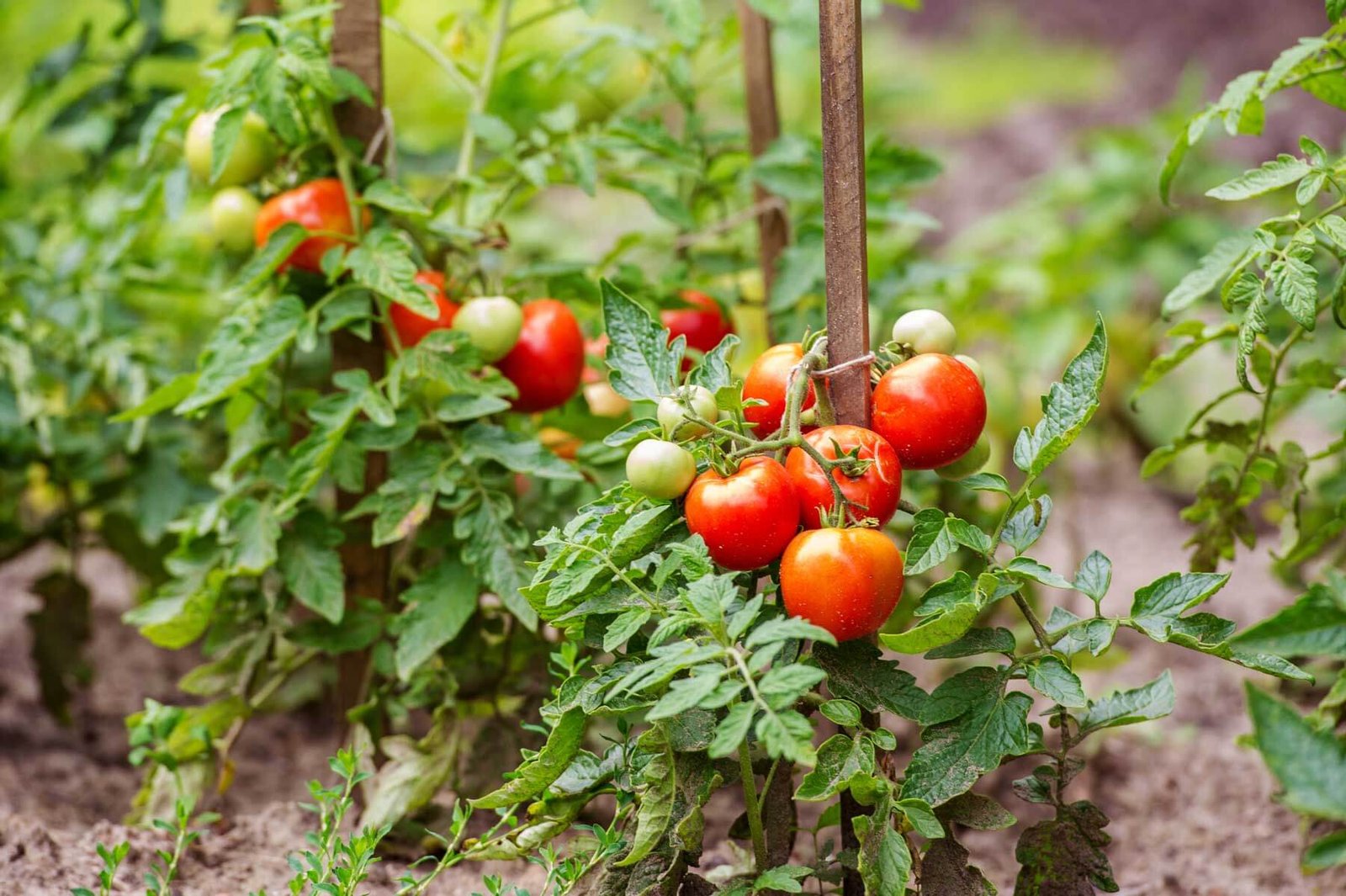
Growing tomatoes from seed at home is one of the most rewarding gardening experiences. Watching a tiny seed transform into a vigorous plant loaded with juicy, massive fruits brings both satisfaction and savings. Whether you have a backyard, balcony, or small terrace, tomatoes can thrive with the right techniques and care.
If you want strong plants, heavy yields, and flavorful harvests, this complete guide will walk you through every step — from seed selection to harvesting big, healthy tomatoes.
Why Grow Tomatoes from Seed?
Many gardeners buy seedlings from nurseries, but starting from seed offers several advantages:
- Wider variety selection
- Lower cost
- Stronger root development
- Greater control over plant health
- Earlier harvest timing
When you grow from seed, plants adapt to your environment from day one, often making them more resilient.
Step 1: Choose the Right Tomato Seeds
Selecting quality seeds is the foundation of success.
You can choose from:
- Determinate varieties (compact, bushy, produce all at once)
- Indeterminate varieties (vine-like, continuous fruiting)
- Cherry tomatoes (small and fast-producing)
- Beefsteak tomatoes (large, juicy fruits)
For beginners, cherry or medium-sized varieties are easier and more forgiving.
Always select disease-resistant varieties for better performance.
Step 2: Start Seeds Indoors
Tomato seeds need warmth and protection during early growth.
When to Start:
Begin 4–6 weeks before the last expected frost date in your area.
How to Sow:
- Fill seed trays or small pots with seed-starting mix.
- Plant seeds about ¼ inch deep.
- Lightly cover with soil.
- Water gently.
Keep soil moist but not soggy.
Step 3: Provide Warmth and Light
Tomato seeds germinate best at temperatures between 20–25°C (68–77°F).
Place trays:
- Near a sunny window
- Under grow lights (12–16 hours daily)
Insufficient light causes weak, leggy seedlings. Strong light ensures thick stems and healthy leaves.
Seeds usually germinate within 5–10 days.
Step 4: Strengthen Seedlings
Once seedlings develop 2–3 true leaves:
- Thin weaker plants
- Provide gentle airflow
- Rotate trays daily for even growth
You can transplant them into larger pots to encourage deeper root development.
Bury part of the stem when repotting — tomatoes develop roots along buried stems, creating stronger plants.
Step 5: Harden Off Before Transplanting
Before moving plants outdoors, gradually expose them to outdoor conditions over 7–10 days.
Start with:
- 1–2 hours of sunlight
- Gradually increase daily exposure
This prevents transplant shock.
Step 6: Prepare the Soil Properly
Tomatoes require nutrient-rich, well-draining soil.
Ideal conditions:
- pH between 6.0–6.8
- Loamy soil with organic matter
- Good drainage
Add compost, aged manure, or vermicompost before planting.
Avoid planting in the same location year after year to prevent soil-borne diseases.
Step 7: Transplant Deep for Strong Roots
When seedlings are 6–8 inches tall and frost risk has passed:
- Dig deep holes
- Remove lower leaves
- Plant deeply (bury most of the stem)
Deep planting encourages extensive root systems, resulting in stronger plants and larger fruit.
Space plants:
- 18–24 inches apart
- 3–4 feet between rows
Good spacing improves airflow and reduces disease.
Step 8: Provide Proper Support
Tomatoes need support to produce massive fruits.
Use:
- Stakes
- Cages
- Trellises
Supporting plants prevents fruit from touching the ground and improves sun exposure.
Install support structures early to avoid root disturbance later.
Step 9: Watering for Bigger Tomatoes
Consistent watering is crucial.
Guidelines:
- Water deeply 2–3 times per week
- Avoid overhead watering
- Keep soil evenly moist
Inconsistent watering can cause:
- Blossom end rot
- Fruit cracking
- Poor fruit development
Mulching helps retain moisture and regulate soil temperature.
Step 10: Fertilize Strategically
Tomatoes are heavy feeders.
During vegetative growth:
- Use nitrogen-rich fertilizer
During flowering and fruiting:
- Increase potassium and phosphorus
Organic options include:
- Compost tea
- Fish emulsion
- Banana peel fertilizer
Avoid excessive nitrogen after flowering, as it promotes leaves instead of fruits.
Step 11: Prune for Massive Fruit
Pruning helps direct energy toward fruit production.
For indeterminate varieties:
- Remove suckers (side shoots between main stem and branches)
- Trim lower leaves
- Maintain 1–2 main stems
This improves airflow and encourages larger fruits.
Determinate varieties require minimal pruning.
Step 12: Encourage Pollination
Tomatoes are self-pollinating but benefit from assistance.
You can:
- Gently shake plants
- Tap flower clusters
- Encourage bees by planting companion flowers
Proper pollination increases fruit set and yield.
Common Problems and Solutions
Yellow Leaves
Cause: Overwatering or nutrient deficiency
Solution: Improve drainage and feed balanced fertilizer
Blossom End Rot
Cause: Calcium deficiency or inconsistent watering
Solution: Maintain steady moisture levels
Pests
Common pests include aphids and whiteflies
Use neem oil spray weekly as prevention
Harvesting for Best Flavor
Tomatoes are ready to harvest when:
- Fully colored
- Slightly soft to touch
- Easily detached from vine
Harvest regularly to encourage continued fruiting.
Allow tomatoes to ripen on the vine for maximum sweetness.
Growing Tomatoes in Containers
No garden? No problem.
Use:
- 12–18 inch deep containers
- Quality potting mix
- Strong support system
Container tomatoes need more frequent watering and feeding but can produce impressive yields.
Timeline from Seed to Harvest
- Week 1: Germination
- Week 3–4: Strong seedlings
- Week 6–8: Transplant outdoors
- Week 10–14: Flowering
- Week 14–18: First harvest
Within a few months, you can enjoy fresh, homegrown tomatoes.
Tips for Extra-Large Fruit
- Choose large-fruiting varieties
- Maintain consistent watering
- Use potassium-rich fertilizer
- Limit number of fruits per cluster
- Ensure full sunlight (6–8 hours daily)
Healthy plants produce heavier and juicier tomatoes.
Final Thoughts
Growing tomatoes from seed at home is simple, affordable, and incredibly rewarding. With proper soil preparation, deep planting, consistent watering, and smart pruning, you can develop strong plants that produce massive, flavorful fruit.
From tiny seeds to vibrant red harvests, the process requires patience and care — but the results are worth every effort. Whether in a backyard garden or balcony pots, tomatoes thrive when given warmth, sunlight, and proper nutrition.