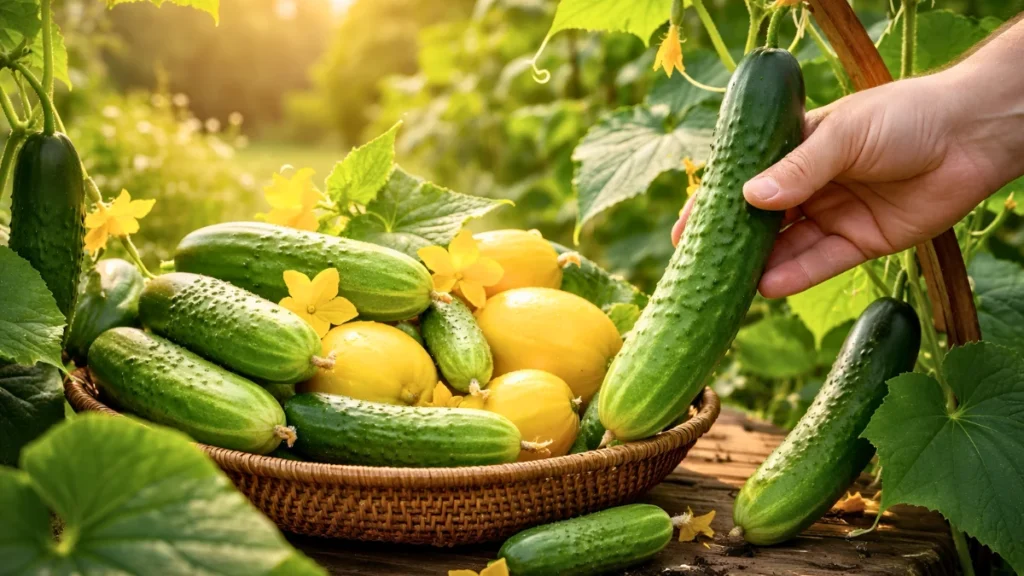
Cucumber farming continues to evolve in 2026, with growers focusing on smarter cultivation techniques that increase productivity while improving fruit quality. Among the most effective methods gaining popularity is trellis cultivation. By training cucumber plants to grow vertically, farmers and home gardeners alike are achieving higher yields, cleaner fruits, and healthier plants.
If you want bigger cucumbers, fewer diseases, and a more efficient harvest, the trellis method could be your game-changing strategy this season.
Why Traditional Ground Growing Falls Short
Growing cucumbers on the ground is common, but it has several limitations:
- Fruits rest on soil and develop blemishes
- Increased risk of fungal diseases
- Higher pest infestation
- Uneven fruit shape
- Difficult harvesting process
Ground-grown cucumbers also require more space, making them less ideal for small farms or home gardens.
What Is the Trellis Method?
The trellis method involves supporting cucumber vines vertically using structures such as:
- Bamboo stakes
- Wire mesh panels
- Nylon netting
- Wooden frames
- PVC pipe systems
As the vines grow, they are guided upward along the structure. This keeps foliage and fruit off the soil, improving air circulation and sunlight exposure.
Key Benefits of Trellis Cucumber Farming
1. Higher Yield Per Square Meter
Vertical growth maximizes space utilization. Instead of spreading horizontally, plants grow upward, allowing you to plant more per area.
More plants + better light exposure = higher overall yield.
2. Cleaner and Straighter Fruits
When cucumbers hang freely:
- They grow straight
- Skin remains clean
- Less soil contact reduces rot
This improves market value and visual appeal.
3. Reduced Disease Pressure
Good airflow around leaves prevents:
- Powdery mildew
- Downy mildew
- Leaf spot infections
Dry foliage means fewer fungal outbreaks, especially during humid seasons.
4. Easier Harvesting
Vertical farming allows you to:
- Spot mature fruits easily
- Harvest without bending
- Avoid damaging vines
This reduces labor time significantly.
Choosing the Right Cucumber Varieties for 2026
For trellis farming, select:
- Climbing or vining varieties
- High-yield hybrids
- Disease-resistant cultivars
- Long-fruiting types
Parthenocarpic (self-pollinating) varieties are especially suitable for greenhouse or protected cultivation.
Step-by-Step Trellis Setup Guide
Step 1: Prepare the Soil
Cucumbers thrive in:
- Well-draining loamy soil
- Rich organic matter
- pH between 6.0–7.0
Before planting:
- Add compost or well-rotted manure
- Ensure proper drainage
- Incorporate organic fertilizer
Healthy soil supports vigorous vine growth.
Step 2: Install Trellis Structure
Install the trellis before or immediately after planting.
Basic setup:
- Height: 5–7 feet
- Strong support posts every 6–8 feet
- Stretch netting or wire between posts
Ensure the structure is stable enough to support mature vines heavy with fruit.
Step 3: Planting Spacing
Maintain proper spacing:
- 12–18 inches between plants
- 3–4 feet between rows
Adequate spacing prevents overcrowding and promotes airflow.
Step 4: Training the Vines
As plants grow:
- Gently tie vines to trellis using soft twine
- Guide tendrils toward support
- Avoid overtightening
Within weeks, vines will naturally cling to the structure.
Watering Strategy for Maximum Yield
Cucumbers are water-loving plants.
Best practices:
- Water deeply 2–3 times per week
- Avoid waterlogging
- Drip irrigation is ideal
- Keep soil consistently moist
Inconsistent watering can cause:
- Bitter fruits
- Misshapen cucumbers
- Flower drop
Mulching around the base helps retain moisture.
Fertilization Plan for Heavy Harvests
High-yield farming requires balanced nutrition.
During growth stage:
- Apply nitrogen-rich fertilizer
During flowering and fruiting:
- Increase potassium
- Maintain phosphorus levels
Organic options include:
- Compost tea
- Vermicompost
- Banana peel fertilizer
Feed every 2–3 weeks for optimal productivity.
Pruning for Better Production
Pruning improves fruit quality and plant health.
Remove:
- Yellowing leaves
- Weak lateral shoots
- Excessive side branches
Some farmers pinch off lower flowers early to encourage stronger root and vine development.
Pollination Tips
Outdoor cucumbers rely on bees for pollination. Encourage pollinators by:
- Planting marigolds or basil nearby
- Avoiding chemical pesticides
- Maintaining biodiversity
In greenhouses, hand pollination or parthenocarpic varieties are recommended.
Pest and Disease Management
Common pests include:
- Aphids
- Cucumber beetles
- Spider mites
Preventive measures:
- Neem oil spray weekly
- Sticky traps
- Crop rotation
- Proper spacing
Healthy, trellised plants are less susceptible due to better air circulation.
Harvesting at the Right Time
Timely harvesting increases total yield.
- Harvest every 2–3 days
- Pick when fruits are firm and green
- Avoid overripe cucumbers
Frequent harvesting encourages continuous fruit production.
Expected Yield Increase with Trellis Method
Farmers using vertical systems report:
- 20–40% yield increase
- Lower fruit loss
- Better market prices
- Longer harvesting period
The combination of improved airflow, better light exposure, and cleaner fruits directly impacts productivity.
Trellis Farming in Small Spaces
Urban gardeners can also adopt this method.
Options include:
- Balcony trellises
- Wall-mounted netting
- Container-grown cucumbers with support frames
Even limited spaces can produce impressive harvests.
Cost vs. Profit Analysis
Initial investment:
- Trellis materials
- Labor for setup
Long-term benefits:
- Reduced disease treatment cost
- Higher selling price
- Increased yield
- Easier harvesting
The return on investment is typically strong after the first season.
Common Mistakes to Avoid
- Weak trellis structure
- Overcrowding plants
- Irregular watering
- Ignoring pruning
- Late harvesting
Proper management ensures consistent high performance.
Climate Considerations for 2026
With rising temperatures and unpredictable rainfall, trellis systems offer advantages:
- Improved drainage
- Better heat distribution
- Reduced soil splash during heavy rains
- Lower fungal infection risk
Vertical farming adapts well to modern climate challenges.
Final Thoughts
High-yield cucumber farming in 2026 is no longer about simply planting seeds and hoping for the best. Strategic trellis cultivation transforms productivity by improving plant health, fruit quality, and harvesting efficiency.
By combining strong structural support, balanced fertilization, consistent watering, and timely harvesting, growers can achieve bigger, cleaner, and more profitable cucumber harvests.
Whether you manage a commercial farm or a small backyard garden, the trellis method offers a practical and powerful blueprint for maximizing cucumber production. With careful planning and regular maintenance, your vines will reward you with abundant, high-quality fruits throughout the growing season.
Start building your trellis system today — and enjoy a cleaner, bigger, and more successful cucumber harvest this year.