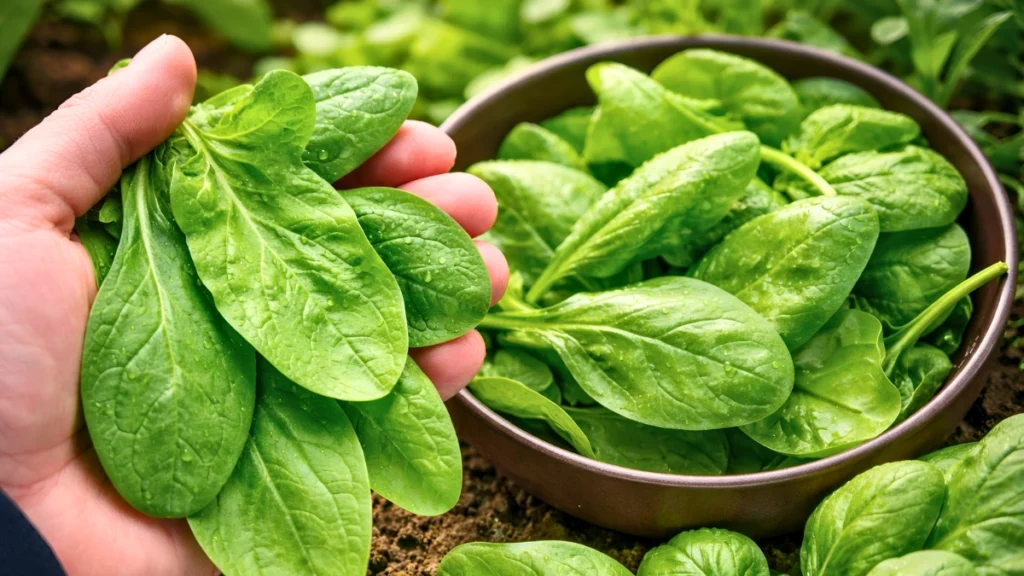
Spinach is often considered a cool-season crop, thriving in mild temperatures and bolting quickly when exposed to heat. However, with climate patterns becoming warmer and summers extending longer in many regions, gardeners are searching for resilient varieties that can withstand rising temperatures. The good news? Heat-resistant spinach varieties in 2026 are making it possible to grow fresh, nutritious leafy greens even during the hottest months of the year.
If you’ve struggled with premature bolting, bitter leaves, or stunted growth, this guide will help you choose the right varieties and apply smart growing techniques to keep your spinach thriving all summer long.
Why Spinach Struggles in Summer
Traditional spinach prefers temperatures between 10°C and 20°C (50°F–68°F). Once temperatures rise above 25°C (77°F), the plant often:
- Bolts quickly (sends up a flower stalk)
- Produces smaller, bitter leaves
- Stops vigorous growth
- Becomes more prone to pests
Heat triggers the plant’s natural survival response to reproduce quickly, which shifts energy away from leaf production. That’s why choosing heat-tolerant varieties is essential for summer success.
What Makes a Spinach Variety Heat-Resistant?
Modern heat-resistant spinach varieties are bred for:
- Slower bolting
- Stronger root systems
- Thicker leaf structure
- Better drought tolerance
- Adaptability to long daylight hours
Some varieties are true spinach (Spinacia oleracea), while others belong to similar leafy plants often grown as spinach substitutes during hot weather.
Best Heat-Resistant Spinach Varieties for 2026
Here are some top-performing options for summer cultivation:
1. Malabar Spinach (Basella alba)
Technically not true spinach, Malabar spinach thrives in hot, humid climates. It’s a fast-growing vine with thick, glossy leaves and mild flavor.
Why it’s great:
- Loves temperatures above 30°C (86°F)
- Grows vigorously in full sun
- Highly drought tolerant
Perfect for tropical and subtropical regions.
2. New Zealand Spinach (Tetragonia tetragonioides)
Another heat-tolerant alternative, New Zealand spinach spreads low and produces tender leaves even in high heat.
Benefits:
- Handles dry conditions well
- Resistant to bolting
- Excellent for summer salads and stir-fries
3. Bloomsdale Long Standing
A classic variety improved for delayed bolting.
Advantages:
- Produces thick, crinkled leaves
- Slower to bolt than standard spinach
- Good flavor retention in warm weather
Ideal for transitional spring-to-summer growing.
4. Space Hybrid Spinach
A modern hybrid variety known for adaptability.
Features:
- Semi-savoy leaves
- Strong disease resistance
- Better heat tolerance than many traditional types
Works well in containers and small gardens.
5. Tyee Spinach
Popular among commercial growers.
Highlights:
- Slow bolting
- Dark green leaves
- Suitable for multiple harvests
Performs well in moderate summer climates.
Smart Summer Growing Techniques
Choosing the right variety is only half the battle. Proper care ensures maximum leaf production during heat.
1. Provide Partial Shade
Even heat-resistant varieties benefit from some afternoon shade.
Use:
- Shade cloth (30–40%)
- Taller companion plants
- Garden netting
Reducing intense midday sun prevents leaf scorch and moisture loss.
2. Improve Soil Quality
Spinach thrives in:
- Well-draining soil
- Rich organic matter
- Slightly neutral pH (6.5–7.0)
Add compost before planting to improve moisture retention and nutrient supply.
3. Mulching is Essential
Mulch helps:
- Keep soil cool
- Reduce water evaporation
- Suppress weeds
- Protect shallow roots
Use straw, dried leaves, or grass clippings around the base.
4. Water Consistently
Heat stress combined with dry soil accelerates bolting.
Best practices:
- Water deeply 2–3 times per week
- Avoid overhead watering during peak sun
- Keep soil evenly moist, not soggy
Morning watering is ideal.
5. Succession Planting
Instead of planting all seeds at once, sow new seeds every 2–3 weeks. This ensures continuous harvest and reduces total crop loss if one batch bolts.
Growing Spinach in Containers During Summer
Urban gardeners can successfully grow heat-resistant spinach in pots.
Container tips:
- Use 8–10 inch deep pots
- Ensure good drainage holes
- Place containers where they receive morning sun and afternoon shade
- Use lightweight, well-draining potting mix
Containers dry faster, so check moisture levels daily.
Fertilizing for Continuous Leaf Growth
Spinach is a heavy feeder.
Feed every 2–3 weeks with:
- Liquid seaweed extract
- Compost tea
- Balanced organic fertilizer
Avoid excessive nitrogen late in the season, as it may cause overly soft leaves.
Pest and Disease Management in Hot Weather
Warm temperatures attract pests such as:
- Aphids
- Leaf miners
- Spider mites
Preventive measures:
- Neem oil spray (weekly)
- Proper air circulation
- Removing affected leaves promptly
Healthy plants resist pests better.
Harvesting Tips for Summer Spinach
Harvest early and often.
- Pick outer leaves first.
- Harvest in early morning for best flavor.
- Avoid letting plants mature fully.
- Cut leaves before bolting begins.
Frequent harvesting encourages new growth.
Signs Your Spinach Is Heat-Stressed
Watch for:
- Yellowing leaves
- Rapid flowering stalk formation
- Bitter taste
- Leaf curling
If plants bolt, remove them quickly and replant with fresh seeds in a shaded location.
Can You Grow Spinach All Summer?
Yes — but with the right strategy.
In very hot climates, switch from traditional spinach to Malabar or New Zealand spinach during peak summer. Then return to true spinach varieties when temperatures cool slightly.
This rotation keeps leafy greens available year-round.
Benefits of Growing Summer Spinach
- Fresh organic greens anytime
- Reduced grocery costs
- Higher nutrient intake
- Continuous garden productivity
- Adaptation to climate change
Spinach is rich in iron, vitamins A, C, and K, and antioxidants that support overall health.
Final Thoughts
Heat-resistant spinach varieties in 2026 are transforming how gardeners approach summer growing. With improved genetics and smart cultivation methods, it’s entirely possible to enjoy fresh leafy greens even during high temperatures.
The key lies in selecting slow-bolting varieties, maintaining consistent moisture, providing partial shade, and harvesting regularly. Whether you choose traditional spinach hybrids or heat-loving alternatives like Malabar spinach, your summer garden can remain productive and vibrant.
Don’t let the heat stop you from growing nutritious greens. With careful planning and the right techniques, you can enjoy a continuous spinach harvest all summer long — successfully and sustainably.