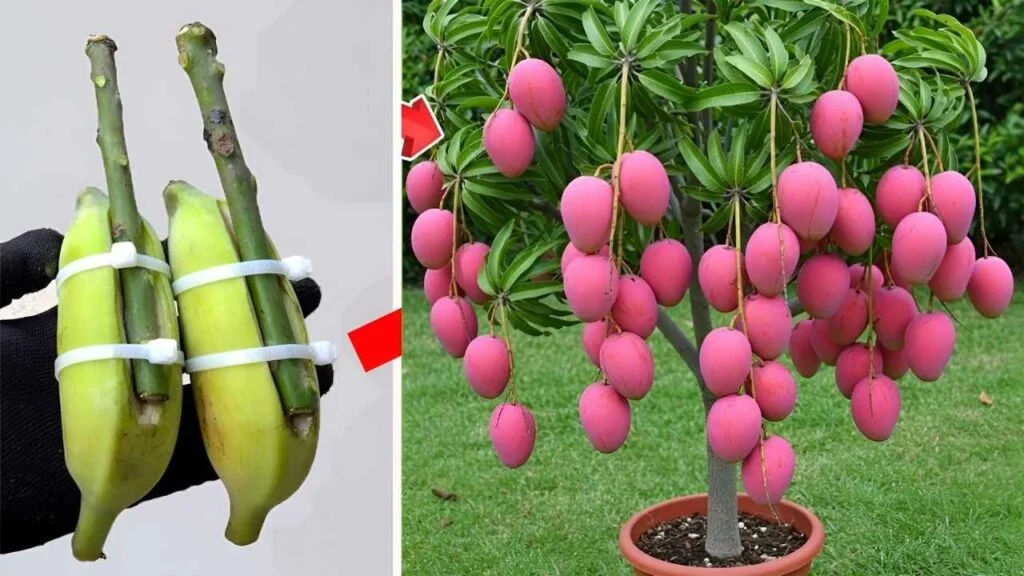
Mango is often called the “king of fruits,” and for good reason. Its sweet aroma, rich flavor, and juicy texture make it a favorite across tropical and subtropical regions. But growing a mango tree from seed can take many years before it produces fruit — and sometimes the fruit quality is unpredictable. That’s where air layering becomes a smart and powerful propagation technique.
In this comprehensive 2026 guide, you’ll learn how to use mango air layering combined with a natural aloe vera root booster formula to grow fast-fruiting, high-yield trees right at home.
What Is Mango Air Layering?
Air layering is a plant propagation method that encourages a branch to develop roots while still attached to the parent tree. Once roots form, the branch is cut and planted as a new tree.
Unlike growing from seed, air layering:
- Preserves the exact characteristics of the mother plant
- Reduces time to fruiting
- Produces uniform and predictable fruit quality
- Speeds up tree maturity
For home gardeners and small-scale farmers, this method is cost-effective and highly reliable.
Why Choose Air Layering for Mango in 2026?
With modern gardening trends focusing on faster results and organic techniques, air layering fits perfectly. Here’s why it’s gaining popularity:
1. Faster Fruiting
Seed-grown mango trees may take 5–8 years to fruit. Air-layered trees can begin fruiting in 2–3 years under proper care.
2. True-to-Type Plants
The new plant is genetically identical to the parent tree. If you love the taste of your existing mango, you can replicate it exactly.
3. Higher Survival Rate
When done correctly, air layering has a high success rate because the branch continues receiving nutrients from the parent tree until roots form.
The Power of Aloe Vera as a Natural Root Booster
Instead of using synthetic rooting hormones, many gardeners now prefer aloe vera. It’s natural, affordable, and highly effective.
Why Aloe Vera Works:
- Contains plant growth hormones
- Has antifungal and antibacterial properties
- Speeds up root formation
- Improves moisture retention
Aloe vera gel stimulates root growth while protecting the wound from infections.
Step-by-Step Mango Air Layering Process
Step 1: Choose the Right Branch
Select a healthy, pencil-thick branch that:
- Is 1–2 years old
- Shows vigorous growth
- Has no signs of disease
- Receives good sunlight
Avoid very young green shoots or very old woody branches.
Step 2: Prepare the Branch
- Make two circular cuts around the branch, about 1–1.5 inches apart.
- Remove the bark between the cuts.
- Gently scrape off the green cambium layer to prevent regrowth.
This exposes the inner wood, which will trigger root formation.
Step 3: Apply Aloe Vera Root Booster
Take fresh aloe vera gel and apply a generous layer over the exposed area.
You can enhance the formula by mixing:
- Fresh aloe gel
- A pinch of cinnamon powder (natural antifungal)
- A small amount of honey (optional root stimulant)
Coat the entire wound thoroughly.
Step 4: Wrap with Growing Medium
Use moist sphagnum moss, coco peat, or a mixture of soil and compost.
- Place the moist medium around the wound.
- Wrap it tightly with plastic sheet.
- Seal both ends securely with tape or twine.
The wrap should hold moisture but allow slight air exchange.
Step 5: Monitor Root Development
Roots usually start forming within 3–6 weeks depending on climate.
Signs of success:
- White roots visible through plastic
- Firm root mass formation
- Healthy green leaves on the branch
Keep the medium moist but not waterlogged.
When to Cut and Transplant
Once a strong root system forms:
- Cut the branch just below the rooted section.
- Carefully remove the plastic wrap.
- Plant it in a pot with well-draining soil.
Keep the plant in partial shade for 2–3 weeks to help it adjust.
Ideal Growing Conditions for Fast Fruiting
To achieve massive yield and early fruiting, focus on these essentials:
Sunlight
Mango trees need 6–8 hours of direct sunlight daily.
Soil
Use well-draining sandy loam soil with:
- Good organic content
- Slightly acidic to neutral pH (5.5–7.5)
Avoid heavy clay soils.
Watering
- Water regularly during early growth.
- Reduce watering once the tree matures.
- Avoid overwatering, which causes root rot.
Fertilization
Feed with:
- Organic compost
- Vermicompost
- Balanced NPK fertilizer during growth stage
Before flowering, reduce nitrogen and increase potassium to boost fruiting.
Pruning for Higher Yield
Pruning encourages better canopy structure and improved fruit production.
- Remove dead or weak branches.
- Maintain open canopy for sunlight penetration.
- Avoid excessive pruning before flowering season.
Balanced pruning increases airflow and reduces disease risk.
Common Mistakes to Avoid
Even a simple technique like air layering can fail if done incorrectly. Avoid these errors:
- Not removing the cambium layer properly
- Using dry growing medium
- Cutting too early before roots mature
- Overwatering newly transplanted plants
- Attempting during extreme weather
The best time for air layering is during warm, humid months — typically late spring to early monsoon.
Expected Timeline
- Week 1: Wound preparation and wrapping
- Week 3–4: Root initiation
- Week 5–6: Strong root mass
- Month 2–3: Transplanting
- Year 2–3: First fruiting (under optimal care)
With proper nutrition and sunlight, yields can increase significantly year after year.
Boosting Yield Naturally
Here are additional organic hacks for heavy mango harvests:
- Use banana peel compost for potassium
- Spray diluted seaweed extract monthly
- Apply neem oil to prevent pests
- Mulch around the base to conserve moisture
Healthy roots lead to stronger flowering and better fruit retention.
Is Air Layering Better Than Grafting?
Both methods have benefits, but air layering is ideal for beginners because:
- It requires fewer technical skills
- No rootstock needed
- Lower cost
- High success rate
However, grafting may offer stronger long-term root systems for commercial orchards.
Final Thoughts
Mango air layering combined with aloe vera root booster is a powerful technique for gardeners in 2026 who want faster fruiting and massive yields without relying on chemicals. It’s simple, natural, and highly effective when done correctly.
By selecting healthy branches, maintaining moisture, and providing proper post-transplant care, you can grow productive mango trees at home in just a few years.
Whether you’re a backyard gardener or an aspiring fruit grower, this method gives you control over quality, speed, and yield. With patience and consistency, your mango tree will reward you with sweet, abundant harvests season after season.