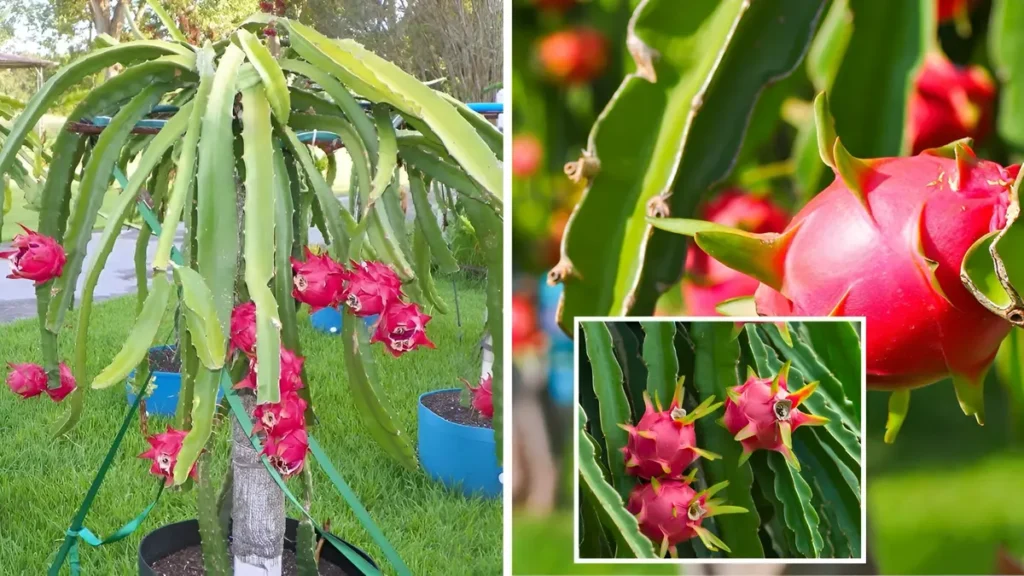
Dragon fruit, also known as pitaya, has rapidly become one of the most profitable and exciting fruits to grow in recent years. With its vibrant pink skin, speckled pulp, and impressive health benefits, demand continues to rise in local and international markets. The best part? Dragon fruit is surprisingly easy to grow at home with the right strategy.
If you want faster growth, earlier fruiting, and higher yields in 2026, this masterclass guide will walk you through proven, practical techniques that truly work.
Why Dragon Fruit Farming Is Booming in 2026
Dragon fruit farming is expanding due to:
- High market demand
- Attractive selling price
- Low water requirements
- Long fruiting lifespan (20+ years)
- Suitability for small spaces and terrace gardening
As climate patterns shift, dragon fruit’s drought tolerance and adaptability make it an ideal crop for both commercial farmers and home gardeners.
Step 1: Choose the Right Variety for Maximum Yield
There are three main types of dragon fruit:
- White flesh with pink skin
- Red flesh with pink skin
- Yellow skin with white flesh
For home growing and higher productivity, red-fleshed varieties are often preferred because they command better market prices and have strong demand.
When purchasing planting material:
- Choose healthy cuttings (30–40 cm long)
- Ensure they are disease-free
- Prefer mature mother plants for propagation
Cuttings fruit faster than seed-grown plants, usually within 12–18 months.
Step 2: Understanding the Plant Structure
Dragon fruit is a climbing cactus. It requires support to grow vertically and produce heavily.
Without proper support, growth becomes weak and fruiting decreases.
Step 3: Building a Strong Support System
A strong vertical structure is essential.
Ideal Support Setup:
- Cement or concrete pole (6–7 feet tall)
- Old tire or circular frame at the top
- 3–4 cuttings planted around each pole
As the plant grows, tie it loosely to the pole. When it reaches the top, allow branches to hang down. Fruits develop on these hanging branches.
This structure increases sunlight exposure and improves air circulation.
Step 4: Soil Preparation for Faster Growth
Dragon fruit prefers well-drained soil. Waterlogging is the biggest enemy.
Ideal Soil Mix:
- 40% sandy soil
- 30% compost or cow dung manure
- 20% cocopeat
- 10% sand or perlite
Soil pH should range between 5.5 and 7.0.
If growing in pots, choose large containers (minimum 20 inches wide) with proper drainage holes.
Step 5: Sunlight Requirements
Dragon fruit thrives in warm climates.
Sunlight Guidelines:
- 6–8 hours of direct sunlight
- Open and airy space
- Protection from extreme frost
Too much intense heat above 40°C may cause stem burns, so light shade nets can be used in extreme summer.
Step 6: Smart Watering Strategy
Although it’s a cactus, dragon fruit needs moderate watering during active growth.
Watering Blueprint:
- Water once or twice weekly in summer
- Reduce watering in winter
- Avoid water stagnation
Overwatering leads to root rot and fungal infections.
Drip irrigation is ideal for consistent moisture control.
Step 7: Fertilization for Heavy Fruiting
Balanced nutrition ensures strong flowering and fruit development.
Organic Feeding Plan:
- Apply compost every 45 days
- Add neem cake twice yearly
- Use banana peel compost for potassium
- Apply bone meal for phosphorus
Excess nitrogen should be avoided, as it promotes vegetative growth over fruiting.
During flowering season, potassium-rich fertilizers improve fruit size and sweetness.
Step 8: Pruning for Productivity
Pruning plays a major role in boosting yields.
Pruning Tips:
- Remove weak or overcrowded stems
- Maintain 3–4 main branches per pole
- Trim excessive growth after harvest
Proper pruning encourages new flower-bearing branches.
Step 9: Flowering and Pollination Hacks
Dragon fruit flowers bloom at night and are large, white, and fragrant.
Some varieties are self-pollinating, while others need cross-pollination.
To improve fruit set:
- Grow more than one plant
- Encourage pollinators
- Hand-pollinate using a soft brush if needed
Flowering usually starts within one year for healthy cuttings.
Step 10: Pest and Disease Management
Dragon fruit is relatively pest-resistant but can face issues like:
1. Mealybugs
- Spray neem oil weekly
2. Fungal Rot
- Improve drainage
- Avoid overwatering
3. Stem Spot Disease
- Remove affected stems
- Maintain airflow
Regular inspection keeps plants healthy and productive.
Growing Dragon Fruit in Pots at Home
Urban gardeners can successfully grow dragon fruit in containers.
Requirements:
- Large pot (20–24 inches)
- Strong vertical support
- Regular feeding schedule
Potted plants may yield slightly less than ground-planted ones but still produce impressive harvests.
Yield Expectations in 2026
Under proper care:
- Each mature plant can produce 20–40 fruits per year
- Yield increases after the second year
- One pole with 4 plants can produce 10–15 kg annually
With multiple poles, even small spaces can become productive mini orchards.
Boosting Yields Naturally
To grow faster and fruit quicker:
- Use healthy mature cuttings
- Maintain strong sunlight exposure
- Follow consistent watering
- Apply organic compost regularly
- Prune strategically
Consistency is key to higher yields.
Economic Potential
Dragon fruit offers:
- High market price
- Long harvesting season
- Low maintenance cost
- Growing consumer demand
It’s ideal for small-scale entrepreneurs, terrace gardeners, and commercial farmers.
Climate-Smart Farming Tips for 2026
With changing weather conditions:
- Use mulch to retain soil moisture
- Install drip irrigation
- Protect plants from heavy rains
- Provide partial shade during extreme heat
These adjustments ensure steady production despite climate fluctuations.
Harvesting Tips
Dragon fruits are ready when:
- Skin turns bright pink or yellow
- Fruit feels firm
- Scales slightly wither
Harvest carefully using pruning shears to avoid stem damage.
Final Thoughts
Dragon fruit farming in 2026 presents an exciting opportunity for both beginners and experienced growers. With proper support structures, balanced nutrition, and smart watering practices, you can grow faster, fruit quicker, and boost yields right at home.
This resilient cactus rewards patience and consistency. Whether planted in a backyard or grown on a terrace, dragon fruit offers long-term productivity and strong market value.
By following this masterclass guide, you can transform a simple cutting into a thriving fruit-producing plant that delivers vibrant, nutritious harvests year after year.