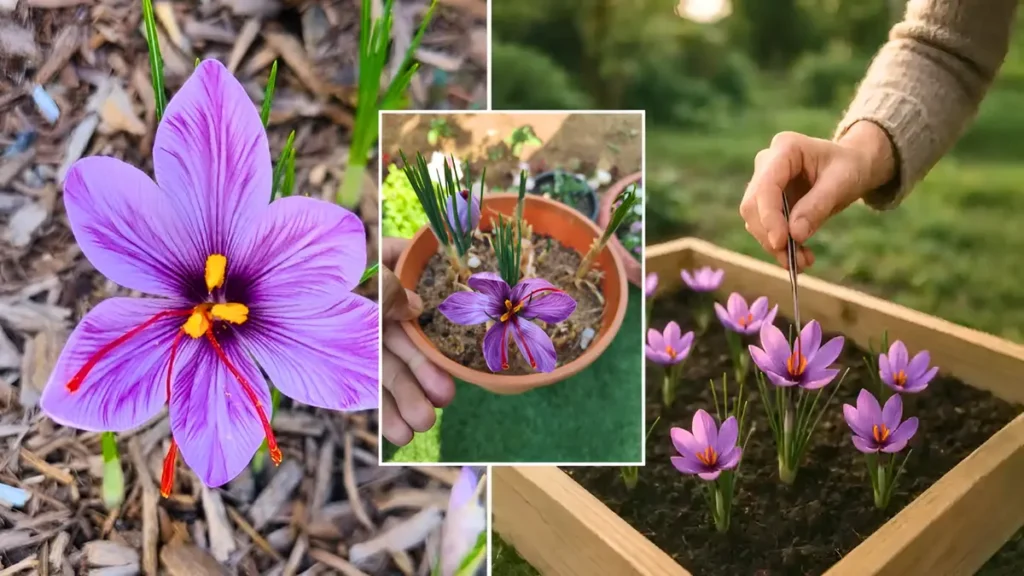
Saffron, often called “red gold,” is one of the most expensive spices in the world. Derived from the delicate crimson stigmas of the Crocus sativus flower, saffron has been prized for centuries for its aroma, color, flavor, and medicinal value. With rising demand and modern farming innovations, growing saffron indoors in 2026 has become more practical and profitable than ever.
If you’re interested in cultivating premium saffron at home or starting a small-scale business, this smart indoor farming blueprint will guide you step by step toward achieving high-quality yields.
Why Grow Saffron in 2026?
Saffron offers several advantages for indoor growers:
- High market value per gram
- Requires minimal space
- Low water requirements
- Suitable for controlled environments
- Increasing demand in culinary and pharmaceutical industries
With proper planning and climate control, indoor saffron cultivation can produce consistent and premium-quality harvests.
Understanding the Saffron Plant
Saffron comes from Crocus sativus, a perennial flowering plant grown from corms (bulb-like structures). Each flower produces only three red stigmas, which are carefully harvested and dried to make saffron.
Important facts:
- One corm produces 1–3 flowers
- Each flower yields just a small amount of saffron
- Harvesting is done manually
- The plant flowers in autumn
Because production per plant is small, quality and precision are key.
Step 1: Selecting High-Quality Corms
Your success begins with healthy corm selection.
What to Look For:
- Large size (8–10 grams or more)
- Firm texture
- No signs of mold or damage
- Disease-free and certified
Bigger corms produce more flowers and higher yields. Always purchase from trusted suppliers.
Step 2: Ideal Indoor Growing Conditions
Saffron thrives in specific temperature ranges and requires seasonal simulation indoors.
Temperature:
- 20–25°C during planting
- 10–15°C during flowering
Humidity:
- Moderate humidity levels
- Avoid excessive moisture
Light:
- Bright indirect light
- 6–8 hours of light daily
Controlled indoor environments using grow lights and ventilation systems can help maintain optimal conditions.
Step 3: Soil Preparation and Growing Medium
Saffron requires well-draining soil to prevent rot.
Ideal Soil Mix:
- 40% sandy soil
- 30% cocopeat
- 20% compost
- 10% perlite or sand
The soil must be loose and airy. Avoid heavy clay soils.
For hydroponic indoor farming (an emerging trend in 2026), corms can also be grown in nutrient-controlled media trays, though beginners may prefer soil-based systems.
Step 4: Planting the Corms
Planting time typically begins in late summer.
Planting Guidelines:
- Depth: 10–15 cm
- Spacing: 10 cm apart
- Keep pointed side upward
Water lightly after planting, but avoid overwatering. Excess moisture causes corm rot.
Step 5: Water Management Strategy
Saffron is drought-tolerant and requires minimal watering.
Watering Tips:
- Light watering after planting
- No heavy watering during dormancy
- Moderate watering before flowering
Indoor growers should use drip irrigation or controlled spray systems to avoid oversaturation.
Step 6: Smart Lighting Solutions
In indoor farming setups, grow lights play a critical role.
Use:
- LED grow lights
- Timers for consistent light cycles
- Reflective surfaces to maximize light efficiency
Proper lighting encourages healthy leaf growth and flower production.
Step 7: Flowering and Harvesting
Saffron flowers bloom in autumn, usually within 6–8 weeks of planting.
Harvesting Tips:
- Pick flowers early in the morning
- Gently remove red stigmas by hand
- Avoid damaging the delicate threads
Harvesting requires precision and care, as saffron threads are fragile.
Step 8: Drying and Processing
Proper drying determines saffron quality.
Drying Method:
- Spread stigmas on a clean surface
- Dry at 35–45°C
- Avoid direct sunlight
Well-dried saffron should be deep red with a strong aroma.
Store in airtight glass containers away from light and moisture.
Step 9: Increasing Yield Smartly
To boost saffron production:
- Use large, healthy corms
- Maintain ideal temperature control
- Avoid overcrowding
- Rotate corms annually
Corms multiply underground and can be separated after one year to expand production.
Step 10: Pest and Disease Prevention
Indoor farming reduces pest risks, but problems can still occur.
Common issues:
- Corm rot (due to overwatering)
- Fungal infections
- Poor ventilation
Maintain good airflow and sterile soil to prevent diseases.
Economic Potential of Indoor Saffron Farming
Saffron’s high price makes it attractive for small-scale entrepreneurs.
Benefits:
- High value per square meter
- Low water consumption
- Yearly multiplication of corms
- Premium pricing for organic saffron
Though initial setup costs (grow lights, trays, ventilation) may be higher, long-term profits can be significant.
Sustainability and Climate Advantages
Indoor saffron farming in 2026 supports sustainable agriculture:
- Reduced water usage
- Controlled pesticide-free production
- Year-round climate management
- Minimal land requirement
This makes saffron cultivation suitable even in urban environments.
Common Mistakes to Avoid
- Overwatering corms
- Using poor-quality planting material
- Ignoring temperature control
- Improper drying methods
Attention to detail ensures premium-quality saffron.
How Much Saffron Can You Expect?
On average:
- 1,000 flowers produce about 5–7 grams of dried saffron
- Yield depends on corm quality and care
Though labor-intensive, the high market value compensates for lower volume.
Future Outlook for 2026
With growing global demand for natural spices and medicinal ingredients, saffron remains highly valuable. Smart indoor farming techniques, automation, and controlled environment agriculture are making saffron production more accessible to new growers.
Technological advances such as climate-controlled chambers and LED optimization will continue improving yield consistency.
Final Thoughts
Growing saffron in 2026 is no longer limited to traditional fields in specific regions. With the right indoor farming blueprint, you can cultivate premium red gold yields in controlled environments.
By selecting high-quality corms, maintaining ideal temperatures, ensuring proper soil drainage, and carefully harvesting and drying the stigmas, you can produce high-grade saffron successfully.
Though saffron cultivation requires patience and precision, the rewards—both financial and personal—are substantial. Whether you’re a home grower or an aspiring agri-entrepreneur, saffron offers a unique opportunity to grow one of the world’s most precious spices right indoors.