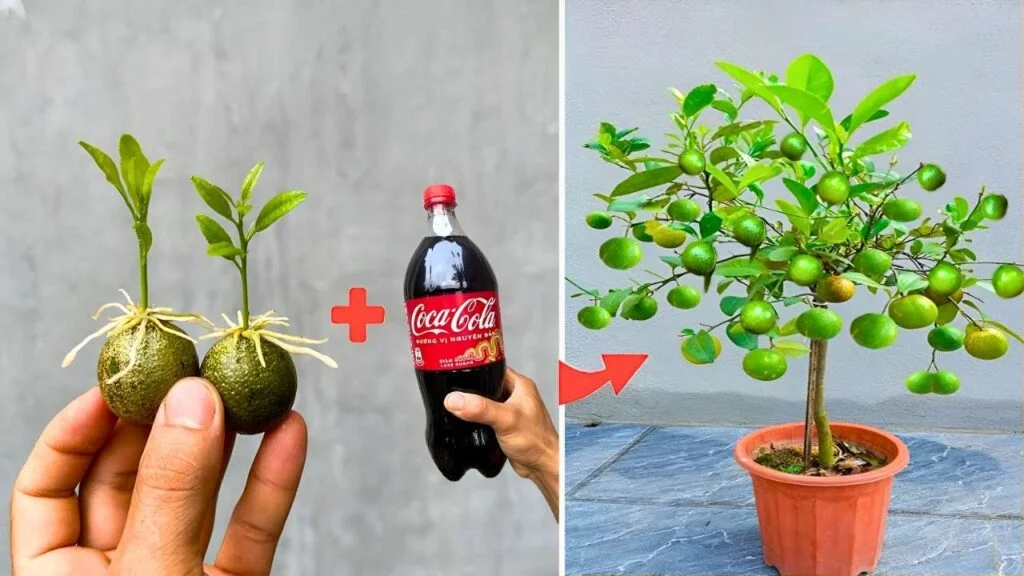
Lemon farming continues to be one of the most profitable and reliable fruit-growing ventures in 2026. With rising demand for fresh citrus, lemon juice, and value-added products, farmers and home growers alike are looking for faster methods to achieve early fruiting and heavier harvests. The good news? With the right strategy, you can significantly improve growth, boost flowering, and maximize yield.
This complete growth blueprint will guide you through proven techniques that truly work for early fruiting and abundant citrus production.
Why Lemon Farming Is a Smart Choice in 2026
Lemons are in constant demand throughout the year. They are widely used in cooking, beverages, pickles, medicines, and cleaning products. Their long shelf life and multiple harvest cycles make them highly profitable.
Key advantages:
- Year-round fruiting potential
- Strong market demand
- Adaptable to different soil types
- Suitable for both large farms and terrace gardening
With climate-smart practices and better organic methods, lemon farming has become even more sustainable and productive.
Step 1: Choose the Right Variety for Faster Results
Your success begins with selecting a high-performing variety. Some popular options include:
- Eureka
- Lisbon
- Kagzi Lemon
- Assam Lemon
For faster fruiting, always choose grafted plants instead of seed-grown ones. Grafted lemon trees typically start bearing fruit within 1–2 years, while seed-grown plants may take 3–5 years.
Healthy saplings should have:
- Strong stems
- Dark green leaves
- Well-developed root systems
Step 2: Sunlight – The Power Behind Heavy Harvests
Lemon trees thrive in full sunlight. Without sufficient light, flowering reduces and fruit quality suffers.
Ideal conditions:
- 6–8 hours of direct sunlight daily
- Open and airy planting location
- Protection from extreme cold winds
If growing on a terrace or in pots, ensure the plant is placed in the brightest spot available.
Sunlight directly influences sugar formation in fruits, improving taste and size.
Step 3: Soil Preparation for Maximum Growth
Lemons prefer well-drained, slightly acidic soil.
Ideal Soil Conditions:
- pH between 5.5 and 7.0
- Loose, sandy loam texture
- Rich in organic matter
For field planting:
- Dig a 2x2x2 feet pit
- Mix compost, neem cake, and sand into the soil
- Allow soil to settle before planting
For container planting:
- 40% garden soil
- 30% compost
- 20% sand
- 10% cocopeat
Good drainage prevents root rot and ensures strong root development.
Step 4: Water Management Strategy
Watering plays a critical role in early fruiting.
Proven Watering Blueprint:
- Water deeply but less frequently
- Allow topsoil to dry slightly between watering
- Avoid waterlogging
Young plants need regular watering, especially during summer. However, excessive watering leads to root diseases and flower drop.
Pro Tip: Reduce watering slightly before flowering to stimulate bud formation.
Mulching with dry leaves or straw helps retain moisture and regulate soil temperature.
Step 5: Smart Fertilization for Early Fruiting
Balanced nutrition is key to heavy citrus harvests.
Organic Feeding Plan:
- Apply compost every 30–45 days
- Add neem cake every 2 months
- Use banana peel compost for potassium
- Spray diluted seaweed solution for growth boost
Nitrogen promotes leaf growth, phosphorus supports root development, and potassium improves fruit size and sweetness.
Avoid overfeeding nitrogen, as it reduces flowering.
Step 6: Pruning for Strong Structure
Pruning improves airflow, sunlight penetration, and fruit production.
When to Prune:
- After harvest season
- Remove dead or crossing branches
Maintain 3–4 strong main branches for balanced growth. Avoid excessive pruning, as lemons produce fruits on new growth.
Step 7: Flowering and Fruit Set Hacks
To increase fruit set:
- Ensure full sunlight exposure
- Avoid overwatering during flowering
- Spray micronutrient solution if needed
- Encourage natural pollinators
Bees play a major role in lemon pollination. Avoid heavy pesticide use during flowering.
Step 8: Pest and Disease Management
Lemon trees can face common issues like:
1. Leaf Miner
- Causes curled leaves
- Spray neem oil weekly
2. Aphids
- Suck plant sap
- Wash with mild soap solution
3. Citrus Canker
- Bacterial disease causing leaf spots
- Remove infected parts immediately
Regular inspection and early treatment prevent major damage.
Step 9: Climate-Smart Farming in 2026
With changing weather patterns, farmers must adapt:
- Use drip irrigation for water efficiency
- Install shade nets during extreme heat
- Improve drainage during heavy rains
Modern irrigation systems reduce water waste and promote uniform growth.
Step 10: Harvesting for Maximum Profit
Lemons are ready to harvest when:
- Skin turns bright yellow or light green
- Fruits feel firm
- Size reaches market standards
Harvest using pruning shears to avoid branch damage.
Multiple harvest cycles throughout the year increase income potential.
Growing Lemon in Pots – Urban Farming Solution
Even small spaces can produce heavy citrus harvests.
Pot Requirements:
- 18–24 inch container
- Proper drainage holes
- Regular repotting every 2–3 years
Potted lemon plants require more frequent feeding but can yield surprisingly well.
Boosting Yield Naturally
For bigger harvests:
- Apply wood ash in small quantities
- Use organic compost regularly
- Maintain balanced watering
- Ensure strong sunlight exposure
Consistent care produces consistent results.
Economic Benefits of Lemon Farming
Lemon farming offers:
- Quick returns (1–2 years for grafted plants)
- Multiple harvest seasons
- High market demand
- Opportunities for value-added products (juice, pickle, oil)
It is suitable for both small-scale growers and commercial farmers.
Final Thoughts
Fast-track lemon farming in 2026 is all about smart planning and consistent care. By choosing grafted varieties, ensuring full sunlight, preparing well-drained soil, and following a balanced watering and feeding schedule, you can achieve early fruiting and heavy citrus harvests.
Success does not come from shortcuts but from understanding plant needs and responding accordingly. With patience and proper management, your lemon trees can reward you with abundant, juicy fruits year after year.
Whether you’re a commercial farmer or a home gardening enthusiast, this proven growth blueprint can help you build a thriving citrus orchard and enjoy the sweet success of heavy harvests.