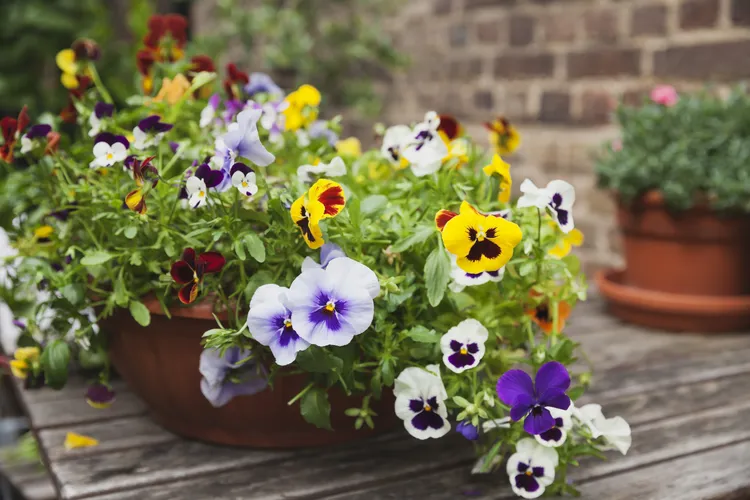
If you’re eager to jump-start your garden before spring fully arrives, starting flowers indoors is one of the smartest moves you can make. By sowing seeds early, you give your plants a strong head start, ensuring they’re sturdy, well-rooted, and ready to thrive when April planting time comes.
Indoor seed starting isn’t complicated. With a few trays, quality seed-starting mix, and bright light, you can grow healthy seedlings right on a windowsill or under simple grow lights. The key is choosing flowers that germinate reliably and grow steadily without too much fuss.
Here are five easy flowers to start indoors now so they’ll be strong, vibrant, and ready to transplant outdoors in April.
1. Marigolds – Bright and Beginner-Friendly
Marigold are among the easiest flowers to grow from seed. They germinate quickly—often within 5 to 7 days—and grow fast under indoor conditions.
These cheerful blooms come in shades of yellow, orange, and deep gold. They’re perfect for borders, containers, and vegetable gardens. In fact, many gardeners plant marigolds near vegetables because their scent helps deter certain pests.
Why start indoors?
Although marigolds grow quickly, starting them indoors gives you earlier blooms and stronger plants by April.
Growing tips:
- Sow seeds about ¼ inch deep in moist seed-starting mix.
- Keep soil lightly moist but never soggy.
- Provide bright light immediately after germination to prevent leggy growth.
By the time outdoor temperatures warm up, you’ll have bushy seedlings ready to explode with color.
2. Zinnias – Fast, Colorful, and Reliable
Zinnia are known for their bold colors and long-lasting blooms. From bright pinks and reds to whites and oranges, zinnias bring energy to any garden space.
They typically germinate within a week and grow quickly in warm indoor conditions.
Why start indoors?
Zinnias don’t like cold soil. Starting them indoors ensures they avoid early spring chills and develop strong stems before transplanting.
Growing tips:
- Plant seeds ¼ inch deep.
- Use individual pots if possible, as zinnias prefer minimal root disturbance.
- Provide plenty of light and good air circulation.
By April, your zinnias will be compact, leafy, and ready to settle into garden beds.
3. Petunias – Long Blooming Beauties
Petunia are popular for hanging baskets, containers, and garden borders. They produce continuous blooms from spring until frost if properly maintained.
Petunia seeds are tiny, which can make sowing them feel intimidating, but they are surprisingly easy once you know how.
Why start indoors?
Petunias take longer to mature compared to marigolds and zinnias. Starting them indoors 8–10 weeks before April ensures early and abundant blooms.
Growing tips:
- Do not cover the seeds with soil; they need light to germinate.
- Press them gently onto the soil surface.
- Maintain consistent moisture and bright light.
With proper care, you’ll have lush seedlings ready for containers and flower beds in early spring.
4. Cosmos – Airy and Elegant
Cosmos produce delicate, daisy-like blooms on tall, graceful stems. They’re perfect for cottage gardens and attract pollinators like butterflies.
Cosmos seeds germinate quickly and grow steadily indoors.
Why start indoors?
Starting cosmos indoors ensures strong root systems and earlier blooms, especially in regions with shorter growing seasons.
Growing tips:
- Plant seeds about ¼ inch deep.
- Keep soil moist but well-drained.
- Avoid over-fertilizing, as cosmos prefer lean soil.
By April, they’ll be sturdy enough to transplant and will reward you with blooms by early summer.
5. Snapdragons – Cool-Weather Charmers
Snapdragon are beloved for their unique, dragon-shaped blooms and tall spikes of color. They perform beautifully in cooler weather and can handle light spring frosts.
Snapdragons take slightly longer to grow compared to marigolds or zinnias, which makes indoor starting especially helpful.
Why start indoors?
They benefit from a longer growing period before being transplanted outdoors in April. Early starts mean fuller plants and more flower spikes.
Growing tips:
- Sow seeds on the surface; they need light to germinate.
- Keep temperatures slightly cooler (around 60–65°F) after sprouting to prevent legginess.
- Pinch back young plants to encourage bushier growth.
Once planted outdoors, snapdragons will provide early-season color and structure.
How to Successfully Start Flowers Indoors
Starting flowers indoors doesn’t require expensive equipment, but attention to detail makes a big difference.
1. Use Proper Containers
Seed trays, small pots, or even recycled containers with drainage holes work well. Good drainage prevents root rot.
2. Choose Quality Soil
Use a light, sterile seed-starting mix rather than garden soil. This helps prevent disease and encourages healthy root development.
3. Provide Strong Light
Seedlings need at least 12–16 hours of bright light daily. A sunny window may work, but grow lights positioned a few inches above plants often produce better results.
4. Water Carefully
Overwatering is a common mistake. Keep soil moist but never soggy. Bottom watering helps encourage deep root growth.
5. Harden Off Before April Planting
About a week before transplanting, gradually expose seedlings to outdoor conditions. Start with an hour or two outside each day and slowly increase exposure.
Why Starting Now Makes April Planting Easier
By the time April arrives, outdoor garden centers are often crowded, and plant selections may be limited. Growing your own seedlings gives you:
- Stronger plants adapted to your care routine
- More variety choices from seed catalogs
- Earlier blooms compared to direct sowing
- A more budget-friendly gardening season
Most importantly, indoor seed starting extends your growing season. Instead of waiting for warmer soil, you’re already weeks ahead.
Final Thoughts
Starting flowers indoors now sets the stage for a vibrant spring garden. Marigolds, zinnias, petunias, cosmos, and snapdragons are all beginner-friendly choices that reward even minimal effort.
With just a little preparation and consistent care, you’ll have healthy seedlings ready to plant in April—giving your garden a colorful head start that lasts all season long.
There’s something deeply satisfying about watching tiny seeds transform into thriving plants under your care. And when April sunshine finally warms the soil, you’ll be ready—tray in hand—to bring your garden to life.