Gardening teaches patience like nothing else. While many flowers sprout quickly and bloom within weeks, some of the most breathtaking varieties take their time. These slow-growing flowers demand early planning, careful nurturing, and a little faith. But when they finally bloom, the results are unforgettable.
If you want a garden filled with dramatic colors, elegant shapes, and long-lasting beauty, starting certain flowers early in the season is essential. Miss the timing, and you may have to wait an entire year for blooms. Here are six slow-growing flowers that are completely worth the extra effort.
1. Lisianthus – The Rose Lookalike
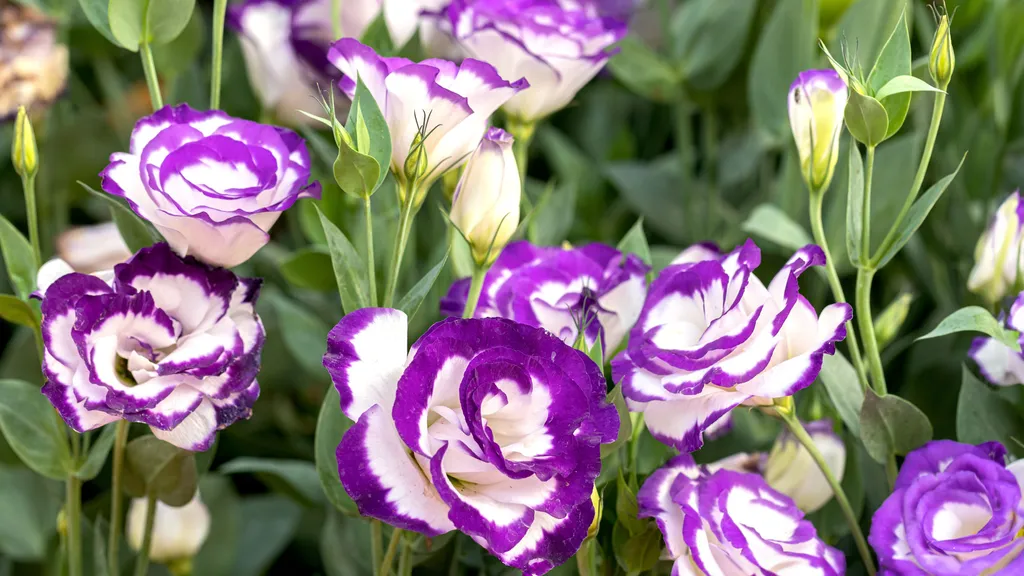
Lisianthus is famous for its rose-like blooms and delicate, ruffled petals. Available in shades of purple, pink, white, and blue, this elegant flower is a favorite for bouquets and wedding arrangements.
However, lisianthus is notoriously slow to grow. From seed to bloom can take five to six months. That means you need to start seeds indoors in late winter—sometimes as early as January—if you want summer flowers.
Why it’s worth the wait:
Lisianthus blooms are long-lasting both in the garden and in vases. The plants are heat-tolerant and continue flowering well into summer, adding a refined touch to borders and containers.
Tip: Provide bright light and consistent moisture during early growth. Patience is key—germination alone can take up to three weeks.
2. Delphinium – The Tall Showstopper
Delphinium produces towering spikes of blue, purple, pink, or white flowers. These vertical blooms create dramatic height in cottage gardens and mixed borders.
Delphiniums grow slowly and often take several months to establish strong roots before flowering. Starting seeds indoors 8–10 weeks before your last frost date is crucial.
Why it’s worth the wait:
Few flowers create such breathtaking vertical impact. Their tall spires attract pollinators like bees and butterflies while giving your garden a classic English charm.
Tip: Provide cool temperatures during early growth and protect young plants from strong winds once transplanted outdoors.
3. Lavender – Fragrant and Timeless
Lavender is beloved for its soothing fragrance and silvery foliage. While mature lavender plants are hardy and drought-tolerant, growing them from seed requires time and care.
Lavender can take 2–3 weeks just to germinate and may not bloom heavily in its first year unless started very early indoors.
Why it’s worth the wait:
Once established, lavender returns year after year. Its fragrant flowers can be used for oils, sachets, teas, and culinary dishes. It also attracts beneficial insects while repelling pests.
Tip: Lavender seeds benefit from cold stratification. Place seeds in the refrigerator for a few weeks before planting to improve germination.
4. Begonia (Tuberous) – Lush and Colorful
Tuberous begonia produces large, vibrant blooms in red, pink, orange, yellow, and white. These shade-loving beauties brighten patios, balconies, and garden beds.
Tuberous begonias grow slowly from either tubers or seeds. If started too late, they may not bloom until late summer—or not at all before frost.
Why it’s worth the wait:
Their bold, rose-like flowers thrive in shaded areas where many other blooms struggle. They’re perfect for containers and hanging baskets.
Tip: Start tubers indoors 8–12 weeks before the last frost. Keep soil slightly moist but not soggy to prevent rot.
5. Echinacea (Coneflower) – The Pollinator Magnet
Echinacea, commonly known as coneflower, is a hardy perennial prized for its daisy-like flowers and prominent central cones.
Although it’s tough once established, echinacea grown from seed often takes its time. It may bloom lightly in the first year if started early indoors, but many plants flower more fully in their second season.
Why it’s worth the wait:
Echinacea attracts butterflies, bees, and birds. It’s also known for its herbal uses and medicinal properties. The plant tolerates heat, drought, and poor soil.
Tip: Start seeds indoors 8–10 weeks before your last frost date to increase the chances of first-year blooms.
6. Hollyhock – Vintage Garden Beauty
Hollyhock is a classic cottage garden flower that grows tall with stacked blooms climbing up sturdy stems. Colors range from deep burgundy to soft pastels.
Hollyhocks are typically biennial, meaning they grow leaves the first year and flower the second. However, if started very early indoors, you may coax some blooms in the first season.
Why it’s worth the wait:
Their towering height adds old-fashioned charm and dramatic background structure to fences and walls.
Tip: Give hollyhocks plenty of space and strong sunlight. Good air circulation helps prevent rust disease.
Why Starting Early Matters
Slow-growing flowers often need extended periods to:
- Develop strong root systems
- Establish healthy foliage
- Build energy for blooming
- Adjust gradually to outdoor conditions
If you wait until spring to sow seeds directly outdoors, these plants may not have enough time to mature before peak blooming season ends.
Starting seeds indoors gives you control over temperature, light, and moisture. It also extends the growing season by several weeks—sometimes making the difference between lush blooms and leafy disappointment.
General Tips for Success
- Use quality seed-starting mix: Lightweight soil helps delicate roots grow easily.
- Provide strong light: A sunny window may not be enough—consider grow lights for best results.
- Be patient with watering: Keep soil moist but not waterlogged.
- Harden off seedlings: Gradually expose plants to outdoor conditions before transplanting.
- Label everything: Slow growers look similar at first—avoid confusion later.
The Reward of Patience
In today’s fast-paced world, slow-growing flowers remind us that some things simply can’t be rushed. Watching tiny seedlings transform into spectacular blooms over months builds a deeper connection with your garden.
When lisianthus unfurls its delicate petals, when delphinium spikes reach toward the sky, or when lavender fills the air with fragrance, you’ll know the early effort was worth it.
These six flowers may test your patience—but they reward it generously. Start them early, nurture them carefully, and your garden will thank you with beauty that feels truly earned.