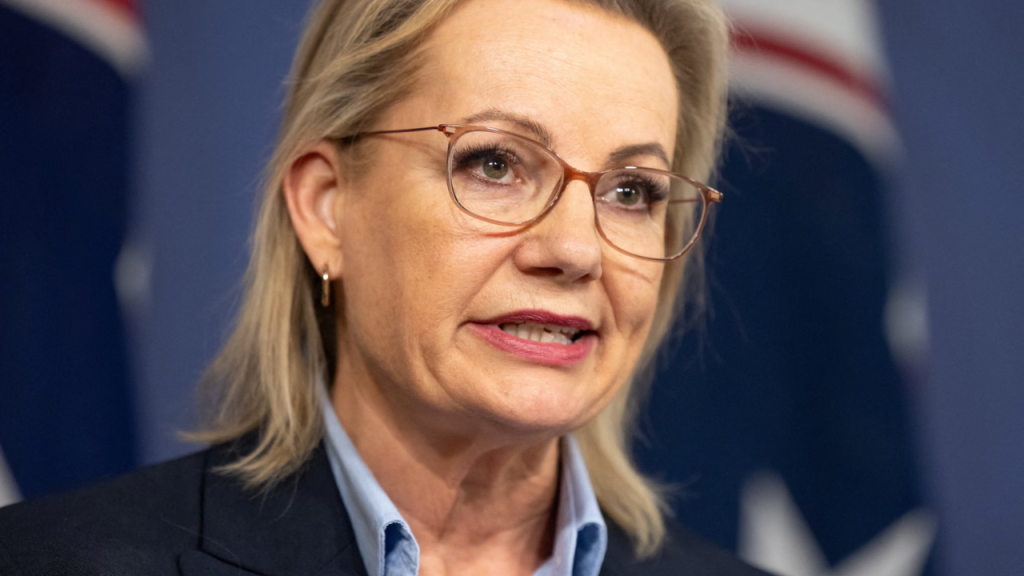
A fresh political dispute has emerged within Australia’s opposition ranks after claims surfaced about an unreleased Liberal plan that would allegedly ban migrants from Gaza and Somalia. The controversy intensified when a senior figure associated with opposition leader Sussan Ley stated that they “never agreed” to such a proposal, raising questions about internal party unity, policy development, and the direction of Australia’s future immigration stance.
The issue has quickly become a focal point of political debate, drawing reactions from across the political spectrum and reigniting broader discussions about national security, humanitarian obligations, and transparency in policymaking.
The Claim That Sparked the Debate
The controversy began following reports that the Liberal Party had considered, or internally discussed, a plan to restrict or ban migration from conflict-affected regions, specifically Gaza and Somalia. Although the plan was never formally released to the public, its alleged existence prompted intense scrutiny.
Soon after, a shadow immigration minister operating under Ley’s leadership publicly distanced themselves from the proposal, asserting that they had never agreed to such a policy. This statement suggested either a breakdown in internal consultation or significant disagreement within the party over immigration strategy.
Internal Divisions Within the Opposition
The Liberal Party has long balanced competing views on immigration—between those emphasizing strong border controls and those advocating for a more humanitarian, case-by-case approach. The reported disagreement highlights the difficulty of maintaining a unified position on such a sensitive issue.
Political analysts note that unreleased or informal policy discussions can often create confusion when leaked or selectively reported. Without a finalized document, it becomes challenging to determine:
- Who supported the proposal
- Whether it was an official policy or an exploratory idea
- How widely it was discussed within party leadership
The shadow minister’s denial has fueled speculation that the plan may not have had broad internal backing.
Immigration Policy and National Security Concerns
Supporters of stricter immigration controls often argue that policies targeting high-risk regions are designed to protect national security and maintain public confidence in the migration system. They emphasize the importance of thorough vetting processes, particularly when applicants come from areas affected by conflict or weak governance.
However, critics counter that blanket bans based on nationality or place of origin risk undermining Australia’s long-standing humanitarian commitments. They argue that such measures:
- Punish vulnerable civilians rather than addressing security threats
- Conflict with international refugee obligations
- Damage Australia’s global reputation
The reported plan, even if never formalized, has revived these long-standing tensions.
Humanitarian and Ethical Implications
Both Gaza and Somalia are regions with ongoing humanitarian crises. Refugees and migrants from these areas often flee violence, persecution, and economic collapse. Advocacy groups stress that migration policies must distinguish between individuals seeking safety and potential security risks.
Human rights organizations warn that broad restrictions based on geography can lead to discrimination and may violate principles of international protection. They argue that rigorous screening processes already exist and should be strengthened rather than replaced with outright bans.
The shadow minister’s claim of non-agreement has been welcomed by some advocacy groups as a sign that not all opposition figures support hardline approaches.
Political Strategy and Public Messaging
From a political standpoint, the dispute raises questions about how immigration policies are developed and communicated within major parties. Unreleased plans, especially those involving sensitive topics, can become liabilities if they appear inconsistent or poorly coordinated.
For Ley, the situation presents a leadership challenge:
- Managing internal disagreements without appearing divided
- Clarifying the party’s official position on immigration
- Responding to government criticism and media scrutiny
Clear messaging will be critical as immigration remains a high-priority issue for voters.
Government and Crossbench Reactions
Government figures have been quick to seize on the controversy, arguing that it demonstrates confusion and extremism within the opposition. They have called on the Liberal Party to clarify whether such a ban was ever seriously considered and who authorized it.
Crossbench and independent MPs have also weighed in, urging transparency and warning against fear-based immigration policies. Several have called for bipartisan cooperation on migration reform rather than politicization.
The Role of Leaks and Unreleased Policies
This episode also highlights the broader issue of leaks in modern politics. Unreleased policy ideas are often part of internal brainstorming and may never reach the implementation stage. When such ideas become public prematurely, they can distort debate and create political fallout.
Some analysts argue that parties need clearer internal processes to prevent confusion, while others say greater transparency would reduce the impact of leaks altogether.
What This Means for Future Immigration Debate
Whether or not the alleged plan existed in a concrete form, the controversy has already influenced the national conversation. It has:
- Reignited debate over regional bans versus individual assessments
- Highlighted divisions within opposition leadership
- Increased scrutiny of how immigration policies are formed
As global displacement continues to rise, Australia’s approach to migration will remain under intense public and political focus.
Conclusion
The claim that Ley’s shadow immigration minister “never agreed” to an unreleased Liberal plan to ban migrants from Gaza and Somalia has exposed underlying tensions within the opposition and reignited a complex national debate. At its core, the issue is not just about one alleged proposal, but about how Australia balances security, compassion, and political accountability.
As the Liberal Party works to clarify its position, the episode serves as a reminder that immigration policy—perhaps more than any other area—demands clarity, unity, and careful consideration. Without those elements, even unreleased ideas can cast long political shadows and shape public perception in lasting ways.