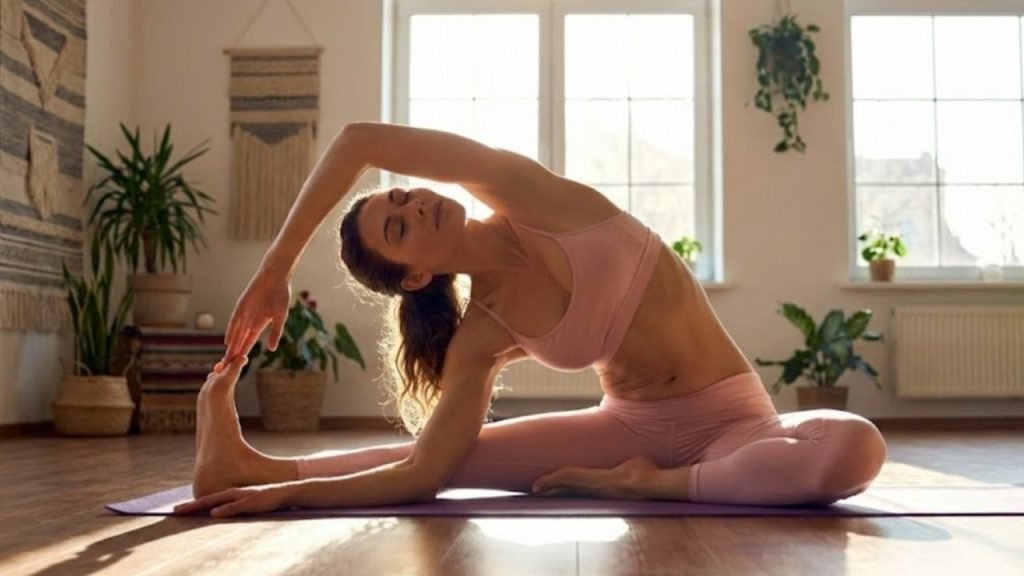
Body stiffness is a common problem in modern life. Long hours of sitting, lack of movement, stress, and aging can all contribute to tight muscles and restricted joints. Over time, stiffness can affect posture, reduce mobility, and make everyday activities uncomfortable. The good news is that you don’t need intense workouts or advanced yoga skills to feel better. Gentle yoga poses can gradually release tension, improve flexibility, and restore ease of movement.
This article explores 12 gentle yoga poses designed to help reduce body stiffness and improve flexibility safely and comfortably. These poses are suitable for beginners, older adults, and anyone looking for a slow, mindful approach to movement.
Why Gentle Yoga Is Effective for Stiffness
Gentle yoga focuses on slow movements, controlled breathing, and relaxed stretching. Instead of forcing the body, it allows muscles to lengthen naturally while calming the nervous system. This approach helps:
- Increase blood flow to stiff areas
- Improve joint lubrication
- Reduce muscle tension
- Enhance mind-body awareness
With regular practice, even a short daily session can lead to noticeable improvements in flexibility and comfort.
1. Mountain Pose (Tadasana)
Mountain Pose may look simple, but it plays a key role in improving posture and alignment.
Benefits:
- Reduces stiffness in the spine
- Improves balance and body awareness
- Encourages proper posture
Stand tall with feet grounded, shoulders relaxed, and arms at your sides. Focus on slow, deep breathing while lengthening the spine.
2. Neck Rolls (Gentle Variation)
Neck stiffness is common, especially for people who work at desks or use mobile devices frequently.
Benefits:
- Releases tension in the neck and shoulders
- Improves range of motion
- Reduces headaches caused by tight muscles
Slowly roll the head from side to side, avoiding full circles if you have neck sensitivity.
3. Cat–Cow Pose (Marjaryasana–Bitilasana)
This gentle flow is one of the best poses for spinal stiffness.
Benefits:
- Improves spinal flexibility
- Relieves lower and upper back tension
- Warms up the spine
Move slowly between arching and rounding the back, coordinating each movement with your breath.
4. Child’s Pose (Balasana)
Child’s Pose is deeply restorative and ideal for releasing tension.
Benefits:
- Gently stretches hips, thighs, and back
- Relieves spinal compression
- Calms the nervous system
Rest your forehead on the mat or a cushion and allow your body to fully relax.
5. Seated Forward Bend (Gentle Paschimottanasana)
This pose stretches the back of the body without strain.
Benefits:
- Reduces stiffness in the lower back
- Stretches hamstrings and calves
- Promotes relaxation
Keep the spine long and bend forward slowly. Use a cushion or bend your knees if needed.
6. Seated Spinal Twist (Ardha Matsyendrasana – Gentle)
Twisting helps maintain spinal mobility and flexibility.
Benefits:
- Releases stiffness in the spine
- Improves digestion
- Enhances posture
Twist gently without forcing, keeping the movement slow and controlled.
7. Butterfly Pose (Baddha Konasana)
This is an excellent pose for hip stiffness.
Benefits:
- Opens hips and inner thighs
- Improves circulation in the lower body
- Reduces tightness caused by prolonged sitting
Sit tall and allow the knees to relax toward the floor naturally.
8. Supine Knee-to-Chest Pose (Apanasana)
This pose is done lying on the back, making it very accessible.
Benefits:
- Relieves lower back stiffness
- Gently massages the spine
- Promotes relaxation
Hug one or both knees to your chest while breathing deeply.
9. Supine Spinal Twist (Supta Matsyendrasana)
A gentle twist performed on the back.
Benefits:
- Improves spinal mobility
- Releases tension in the lower back
- Encourages relaxation
Allow gravity to assist the stretch without forcing the twist.
10. Bridge Pose (Setu Bandhasana – Gentle)
A mild backbend that helps counteract stiffness from sitting.
Benefits:
- Improves flexibility in the spine and hips
- Strengthens the lower back
- Opens the chest and shoulders
Lift the hips slowly and use a block or cushion for support if needed.
11. Legs Up the Wall Pose (Viparita Karani)
This restorative pose is excellent for full-body relaxation.
Benefits:
- Reduces leg and lower back stiffness
- Improves circulation
- Calms the nervous system
Hold this pose for several minutes while focusing on steady breathing.
12. Reclined Hand-to-Big-Toe Pose (Supta Padangusthasana – Modified)
A gentle hamstring stretch performed on the back.
Benefits:
- Improves flexibility in the legs
- Reduces tension in the lower back
- Supports safe stretching
Use a strap or towel to avoid overstretching.
How Often Should You Practice?
For best results:
- Practice 3–5 times per week
- Hold each pose for 20–60 seconds
- Focus on slow, relaxed breathing
Consistency matters more than intensity. Even 15–20 minutes a day can reduce stiffness over time.
Tips for Safe Practice
- Warm up before stretching
- Never force a pose
- Use props like blocks, cushions, or straps
- Stop if you feel pain rather than mild stretch
Listening to your body is essential for long-term flexibility and comfort.
Everyday Benefits You’ll Notice
With regular gentle yoga practice, you may experience:
- Less morning stiffness
- Improved posture
- Greater ease in daily movements
- Reduced muscle tension
- Better overall relaxation
These benefits extend beyond the mat and support a more comfortable, active lifestyle.
Final Thoughts
Stiffness doesn’t have to be a permanent part of life. Gentle yoga offers a safe, effective way to improve flexibility while respecting your body’s limits. These 12 gentle yoga poses help release tension, restore mobility, and promote relaxation without strain.
By practicing regularly and mindfully, you can move more freely, feel less tight, and enjoy greater comfort in your everyday life—naturally and sustainably.