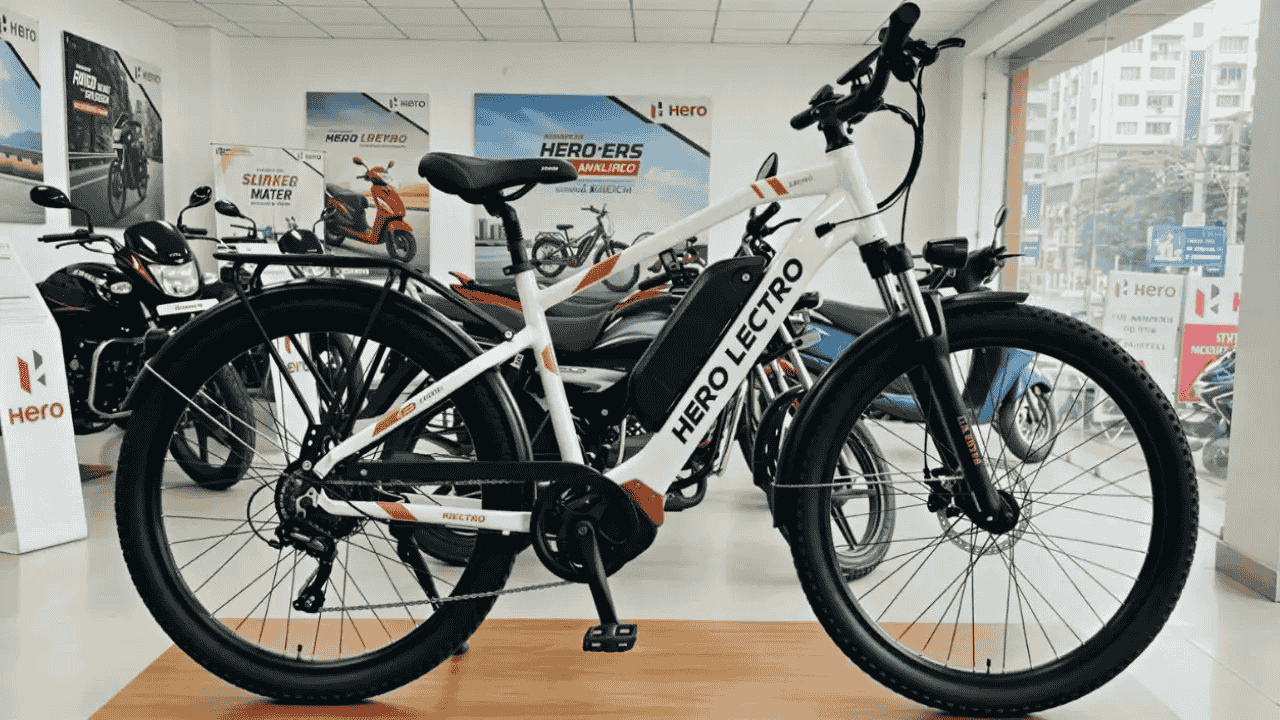
India’s electric mobility space is evolving at a breathtaking pace, and the idea of an ultra-affordable electric cycle with long range and high speed has captured public imagination. Recent discussions and social media buzz suggest that a Hero Electric Cycle 2026 could arrive with a claimed 120 km range, a top speed of 65 km/h, and a price as low as ₹4,000. If such a product ever becomes reality, it could dramatically transform daily commuting for millions of Indians.
While these figures sound astonishing—and raise important questions—the concept itself highlights how rapidly expectations around electric transportation are changing in India.
The Growing Demand for Affordable Electric Mobility
India’s cities are facing rising fuel costs, traffic congestion, and air pollution. As a result, more people are looking for affordable, eco-friendly alternatives to petrol-powered vehicles.
Electric cycles sit at the intersection of:
- Low operating costs
- Zero tailpipe emissions
- Ease of use
- Minimal maintenance
They are especially attractive to students, delivery workers, and short-distance commuters. A high-performance electric cycle at an extremely low price point could significantly accelerate adoption.
What Is Being Claimed About the Hero Electric Cycle 2026?
According to circulating claims, the Hero Electric Cycle 2026 may offer:
- Range: Up to 120 km on a single charge
- Top speed: Around 65 km/h
- Price: Approximately ₹4,000
- Target users: Urban commuters and first-time EV users
If taken at face value, these specifications would outperform many existing electric scooters—at a fraction of the cost. Naturally, this has led to excitement as well as skepticism.
Understanding the Brand Behind the Buzz
The name “Hero” carries enormous weight in India’s two-wheeler market. Hero Electric is already a well-known player in the electric scooter segment and has helped introduce thousands of Indian households to EV technology.
Hero Electric is recognized for:
- Affordable electric scooters
- Focus on urban mobility
- Nationwide dealership network
- Emphasis on sustainability
Because of this reputation, any rumor or speculation involving a Hero-branded electric cycle naturally attracts attention.
Can a ₹4,000 Electric Cycle Really Exist?
From a technical and economic standpoint, the claimed price and performance raise serious questions.
Cost Reality Check
An electric vehicle typically includes:
- Battery pack (the most expensive component)
- Electric motor
- Controller and electronics
- Frame, wheels, and brakes
Even basic lithium-ion batteries alone usually cost more than ₹4,000. A vehicle capable of traveling 120 km at high speeds would require a relatively large battery and a powerful motor—both of which significantly increase costs.
This suggests that:
- The price may be misunderstood or incomplete
- The figure could refer to a subsidy-adjusted cost
- Or the claim may be exaggerated or misleading
Speed and Safety Considerations
A top speed of 65 km/h is extremely high for an electric cycle. In India, vehicles capable of such speeds are typically classified as electric scooters or motorcycles, not bicycles.
Key Concerns
- Safety regulations for high-speed vehicles
- Helmet and license requirements
- Structural strength of a cycle frame at high speed
- Braking performance and rider protection
If a vehicle reaches 65 km/h, it would likely fall under stricter motor vehicle laws, changing its classification entirely.
Range Expectations: What’s Realistic?
A 120 km range is possible in electric scooters with large batteries, but for an electric cycle, it would usually require:
- Pedal assistance rather than full throttle
- Low average speeds
- Ideal riding conditions
In real-world usage, range often varies depending on:
- Rider weight
- Terrain
- Speed
- Battery quality
So while long range is achievable in theory, achieving it alongside high speed and ultra-low cost is highly challenging.
Why Such Claims Go Viral
Claims like these spread quickly because they tap into real consumer desires:
- Freedom from rising fuel prices
- Affordable personal transport
- Environmentally friendly solutions
- Aspirations for advanced technology
In a country where millions rely on bicycles and two-wheelers, the idea of a powerful electric cycle at the cost of a smartphone is naturally appealing.
What Could Be More Realistic?
Instead of taking the claims literally, a more realistic interpretation might be:
- A basic electric cycle with pedal assist
- Limited top speed (25–30 km/h)
- Shorter real-world range
- Heavy government subsidies reducing consumer price
Such a product could still be revolutionary without defying current technology and economics.
Impact If Even Part of the Claim Comes True
Even if the final product offers:
- Half the claimed range
- Moderate speed
- Slightly higher price
…it could still have a major impact.
Potential Benefits
- Affordable mobility for students and workers
- Reduced dependence on petrol
- Lower urban pollution
- Increased EV adoption in smaller towns
An accessible electric cycle could bridge the gap between bicycles and electric scooters.
Government Policies and EV Push
India’s government continues to support electric mobility through incentives, policy support, and infrastructure development. While subsidies can reduce consumer prices, they cannot eliminate manufacturing costs entirely.
Any mass-market electric cycle from a reputed manufacturer would still need to balance:
- Safety
- Quality
- Durability
- Compliance with regulations
What Consumers Should Do Now
Until an official announcement is made, consumers should:
- Treat such claims with caution
- Avoid pre-booking from unofficial sources
- Wait for verified specifications and pricing
- Compare with existing electric cycles and scooters
Healthy skepticism helps avoid disappointment and misinformation.
The Bigger Picture: Why This Matters
Whether or not the Hero Electric Cycle 2026 meets these extraordinary claims, the discussion itself shows how fast expectations are rising. Consumers now want:
- Longer range
- Faster charging
- Better performance
- Lower prices
This pressure encourages manufacturers to innovate faster and think more creatively.
Final Thoughts
The idea that a Hero Electric Cycle 2026 could offer 120 km range, 65 km/h speed, and a ₹4,000 price tag is undeniably exciting—but also highly ambitious. While such specifications challenge today’s technological and economic realities, they highlight India’s growing hunger for affordable, sustainable mobility.
If even part of this vision becomes real, it could reshape urban transport and make electric mobility accessible to millions. Until then, the claim remains a powerful reminder of how transformative the future of electric vehicles could be—and how closely India is watching for the next big breakthrough.